Travel
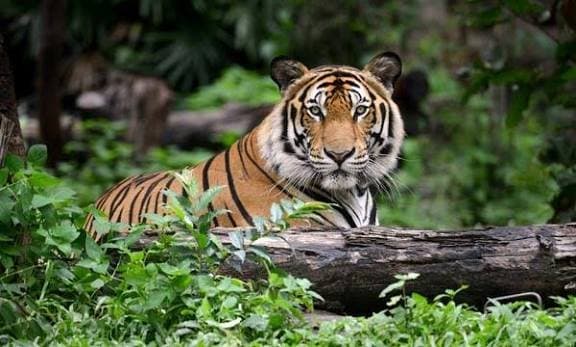
Wild West Bengal
Admin
Author
December 29, 2025
5 min read
237 views
When travelers think of West Bengal, bustling Kolkata and hill stations often come to mind. However, the state’s western and southern regions reveal a dramatically different landscape shaped by rivers, forests, and centuries-old communities. Here, life flows with the rhythm of tides and seasons, creating a travel experience that feels raw, grounded, and authentic.
Wild West Bengal is a destination for travelers who seek cultural depth and natural diversity. It offers a rare opportunity to explore mangrove ecosystems, tribal heritage, and river-based lifestyles that continue to thrive despite modern change.
Life Among Mangroves and Tides

The Sundarbans is the world’s largest mangrove forest and one of India’s most unique natural regions. Intersected by countless rivers and creeks, this landscape is shaped by tidal movements and dense vegetation. The mangroves act as natural protectors, shielding inland areas from storms while supporting a diverse ecosystem.
Traveling through the Sundarbans involves boat journeys along narrow waterways, offering glimpses of fishing villages, watchtowers, and forest edges. Life here is closely tied to the river, with livelihoods depending on fishing, honey collection, and small-scale agriculture. The experience is immersive and educational, highlighting the delicate balance between human survival and nature.
Tribal Communities and Living Traditions

West Bengal is home to several indigenous communities whose traditions have been preserved through generations. These tribes have deep connections to the land, forests, and seasonal cycles. Their cultural practices are reflected in music, dance, festivals, and craftsmanship.
Visitors may encounter tribal villages where daily life revolves around agriculture, forest produce, and community rituals. Art forms such as terracotta work, folk paintings, and handmade textiles offer insight into their creative expression. Respectful interaction with these communities allows travelers to understand their values, resilience, and deep respect for nature.
Rivers as Roads, Livelihoods, and Sacred Spaces

Rivers play a central role in shaping West Bengal’s geography and culture. Beyond being transportation routes, rivers serve as sources of livelihood and spiritual significance. Boat travel remains an essential part of daily life in many regions, connecting villages and markets.
Sacred river sites attract pilgrims and travelers alike, adding a spiritual dimension to the journey. From quiet riverbanks to bustling ghats, these waterways reflect a way of life that has endured for centuries. Experiencing West Bengal through its rivers offers a deeper understanding of how geography influences culture and survival.
Wild West Bengal is not a conventional travel destination—it is an experience rooted in nature, heritage, and human resilience. Its mangrove forests, tribal traditions, and river-based lifestyles reveal a side of India that remains deeply authentic. For travelers seeking meaningful cultural connections and natural exploration, West Bengal offers a journey that is both humbling and unforgettable.
Share this article:
About Admin
Travel enthusiast and writer sharing stories from around the world. Passionate about discovering hidden gems and cultural experiences that inspire wanderlust.