Tips & Guides
Vanishing Greens of the Himalayas: The Hidden Cost of Travel in Himachal & Uttarakhand
Admin
Author
April 15, 2026
5 min read
166 views
A Paradise Under Pressure
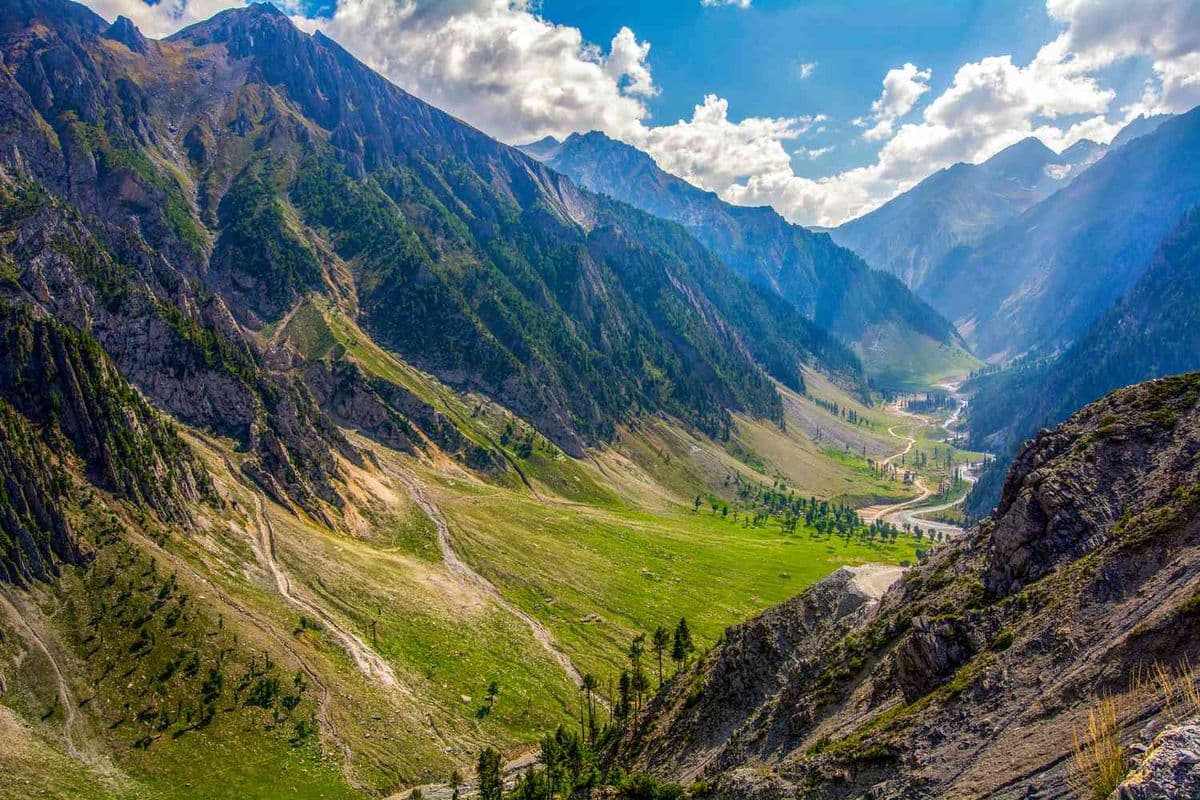
For decades, travelers have been drawn to the breathtaking beauty of the Himalayas—misty hills, dense forests, and fresh mountain air. Destinations across Himachal Pradesh and Uttarakhand have become synonymous with peace, adventure, and natural escape.
But today, this paradise is facing a silent crisis. The forests that define the charm of these regions are gradually thinning, giving way to development, climate stress, and human activity.
Why Forests Are the Heart of Himalayan Travel
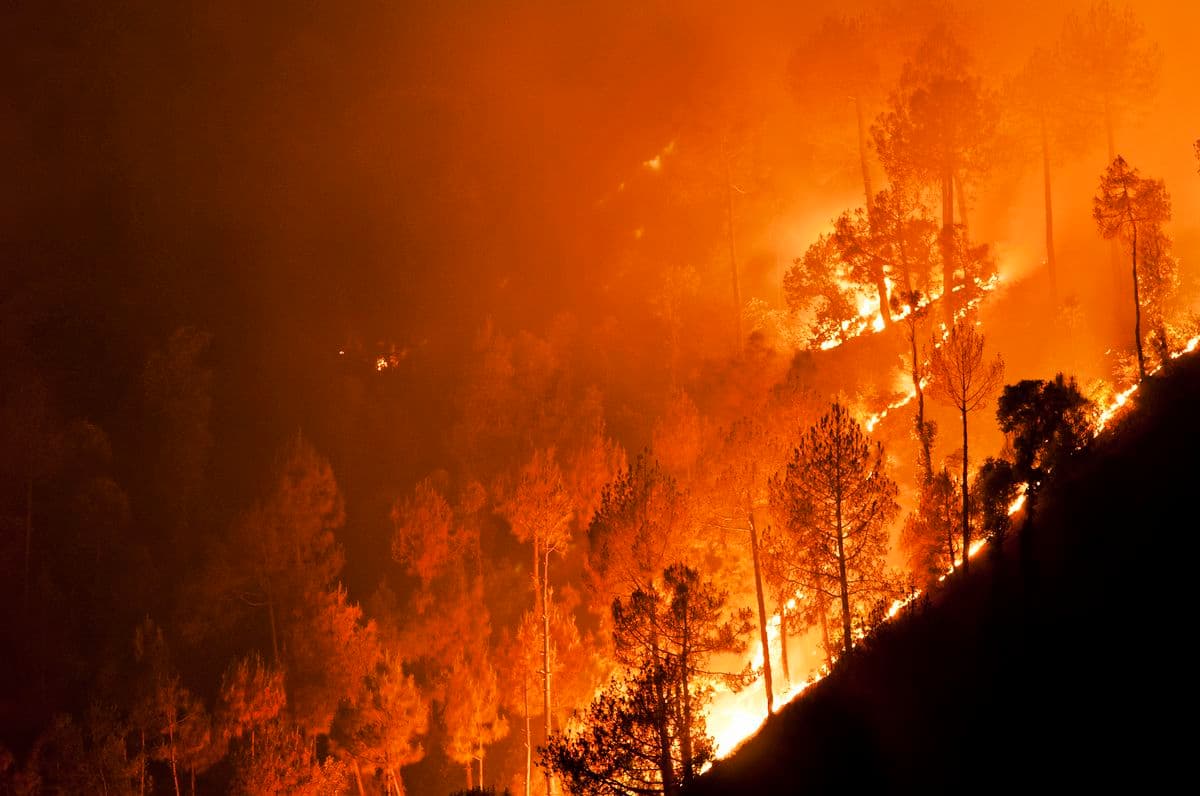
The forests of the Himalayas are not just scenic—they are essential.
They regulate the cool climate that makes hill stations pleasant
They stabilize mountain slopes, preventing landslides
They nurture rivers like the Ganga and Beas
They provide habitat for unique wildlife
Places like Manali, Shimla, Nainital, and Mussoorie owe much of their beauty to these forests.
The Reality: Forest Cover Is Declining
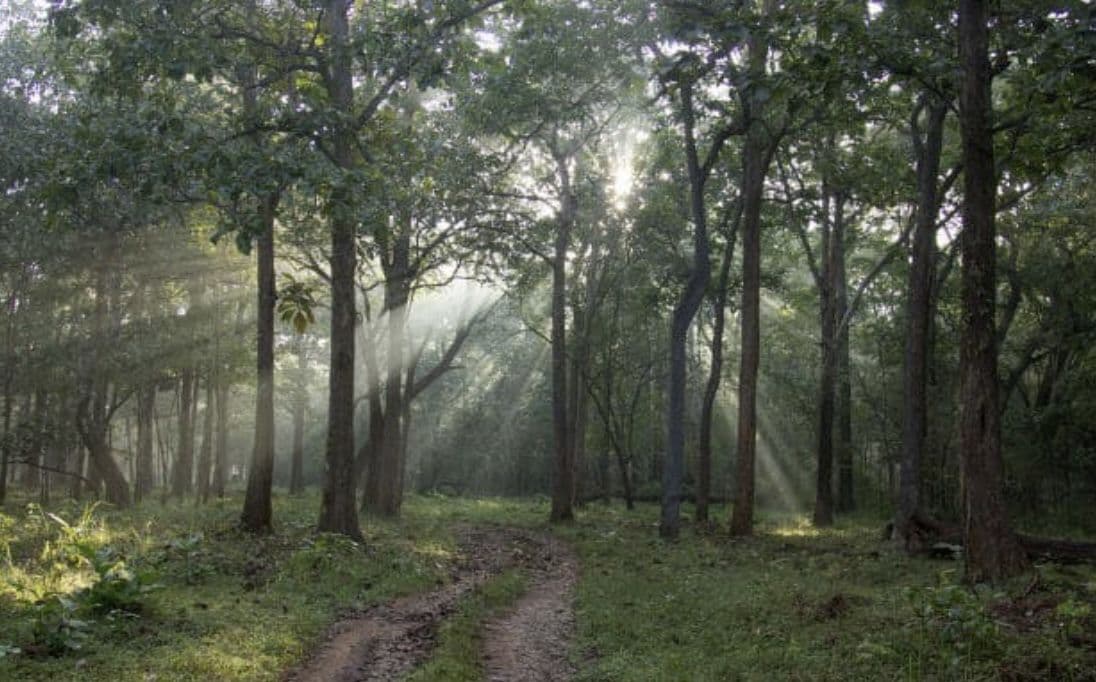
While the mountains still appear green from a distance, the reality on ground is changing.
Dense forests are gradually being replaced by open or degraded forests, reducing biodiversity and weakening the ecosystem. This shift is subtle—but its impact is long-term and serious.
What’s Driving the Loss of Forest Cover?
Rapid Infrastructure Development
New highways, tunnels, and construction projects are improving accessibility—but often at the cost of clearing forest land.
Tourism Pressure
The popularity of Himalayan destinations has led to unplanned growth of hotels, resorts, and cafes in ecologically sensitive areas.
Forest Fires and Climate Change
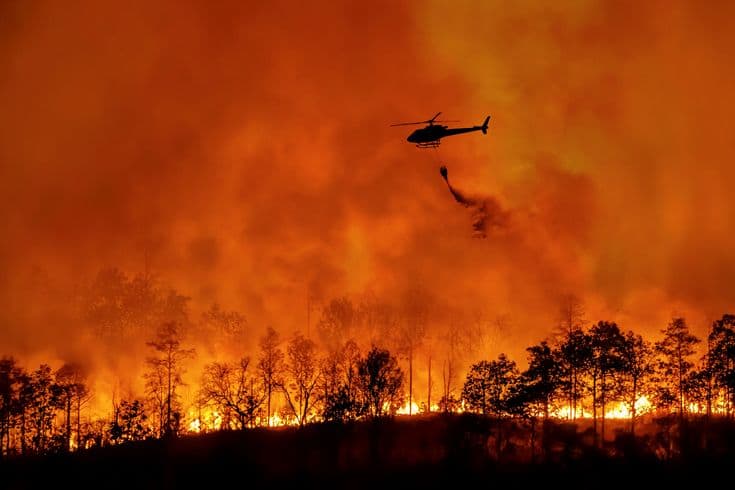
Rising temperatures, dry conditions, and human negligence are increasing forest fires, which destroy large areas of vegetation every year.
Expansion of Settlements and Agriculture
Growing populations and local needs are gradually converting forest land into residential and agricultural spaces.
Impact on the Environment and Travel Experience
Unstable Landscapes and Landslides
Without strong tree roots to hold soil together, mountain slopes become fragile, leading to frequent landslides that disrupt travel.
Changing Weather Patterns
Loss of forests contributes to unpredictable weather—sudden rains, heatwaves, and reduced snowfall.
Decline in Scenic Beauty
The dense, immersive forest experience that once defined Himalayan travel is slowly fading.
Threat to Wildlife
Habitat loss is pushing animals closer to human settlements, increasing conflicts and reducing chances of wildlife sightings.
Responsible Travel: Being Part of the Solution
As a travel company and as travelers, there is a responsibility to protect what we explore.
Here’s how we can contribute:
Promote and choose eco-friendly accommodations
Avoid over-tourism in fragile regions
Reduce plastic and waste during travel
Respect forest areas and wildlife
Support local communities practicing sustainable tourism
Small steps can create meaningful impact.
Protecting What We Love to Explore
The Himalayas are more than just a destination—they are a living ecosystem that sustains life, culture, and travel experiences.
The loss of forest cover in Himachal Pradesh and Uttarakhand is a growing concern—but it is not irreversible. With awareness, responsibility, and conscious travel choices, we can ensure that these mountains remain green, vibrant, and welcoming for generations to come.
Because true travel is not just about discovering places—it’s about protecting them.
Share this article:
About Admin
Travel enthusiast and writer sharing stories from around the world. Passionate about discovering hidden gems and cultural experiences that inspire wanderlust.