Travel
THENZAWL: WHERE TRADITION FINDS ITS RHYTHM
Admin
Author
October 31, 2026
3 min read
1 views
A Town Woven with Tradition
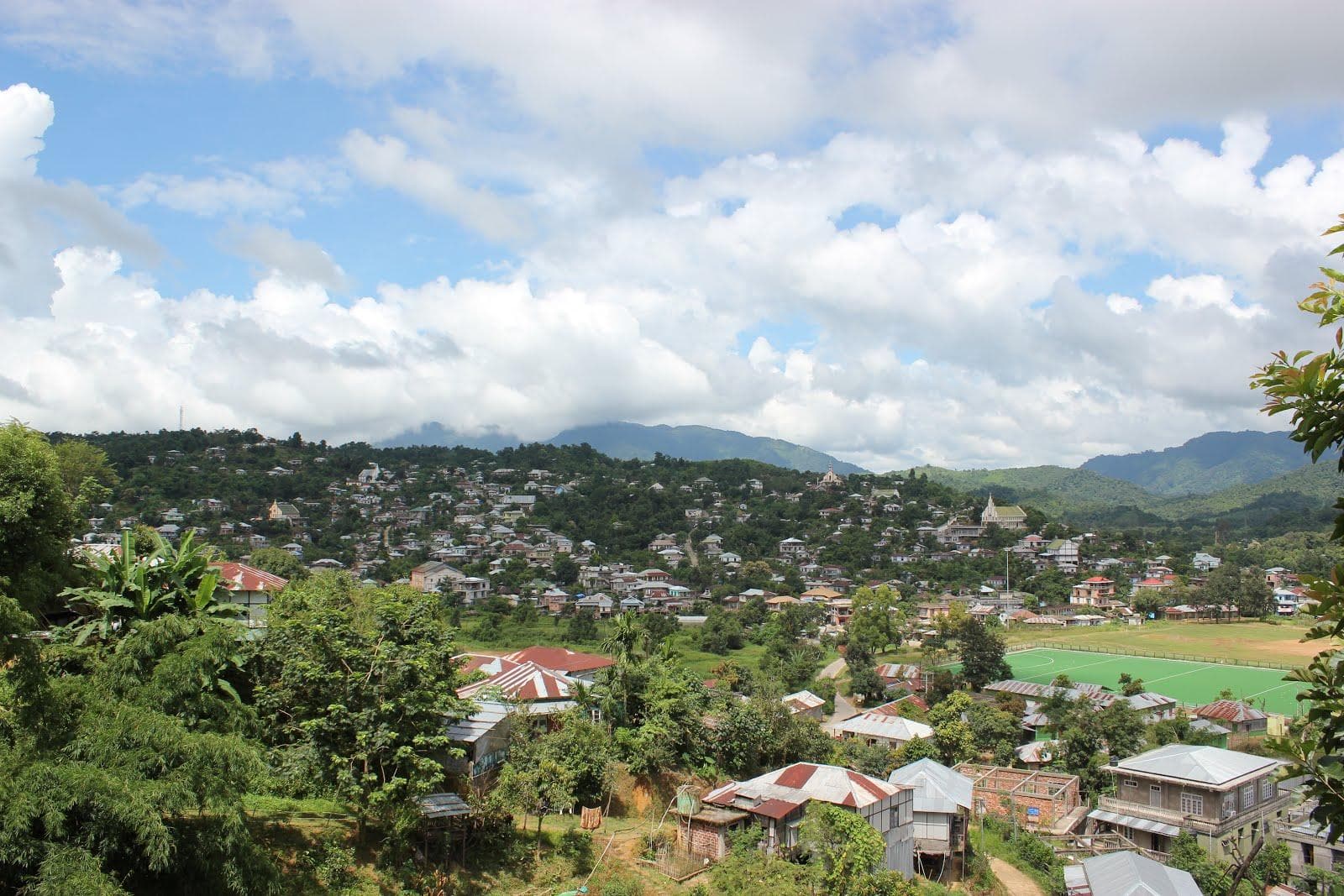
Located in Serchhip district of Mizoram, Thenzawl is a picturesque town surrounded by rolling hills, forested landscapes and agricultural settlements. Situated at an elevation of approximately 750 metres, it is known for its pleasant natural surroundings and rich cultural traditions.
Unlike destinations recognised primarily for their landscapes, Thenzawl has developed a distinctive identity through its traditional textile craftsmanship. It is particularly famous for Mizo handloom weaving, an art that has been passed down through generations and continues to play an important role in the region's cultural and economic life.
The town is closely associated with the traditional Puan, a woven cloth that holds cultural significance among the Mizo people. Its colours, patterns and designs often reflect aspects of community identity, social traditions and everyday life.
Alongside its textile heritage, Thenzawl is also known for its surrounding forests, traditional settlements and natural attractions, including the nearby Vantawng Falls.
Thenzawl is a place where cultural expression and the natural environment come together, offering a deeper understanding of Mizoram's living heritage.
The Art of Mizo Weaving
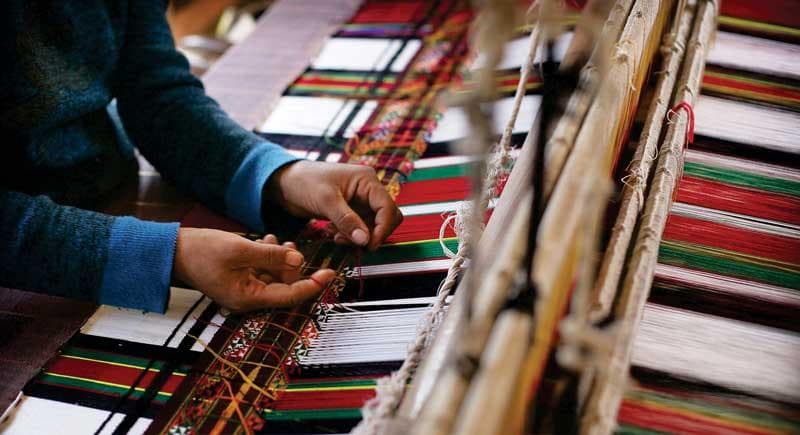
One of the most recognisable aspects of Thenzawl is its long-standing tradition of handloom weaving.
Mizo textiles are known for their distinctive geometric patterns, vibrant colours and intricate designs. Among the most significant is the traditional Puan, a woven cloth that forms an important part of Mizo cultural identity.
Different Puan designs have traditionally been associated with particular communities, occasions and social customs. They are worn during festivals, ceremonies and important cultural gatherings, making them more than just pieces of clothing.
The weaving process involves considerable skill and patience. Traditional techniques use handlooms to create carefully arranged patterns, with threads woven together to form distinctive motifs. The knowledge required to produce these textiles has been preserved through generations of artisans, particularly women.
Thenzawl has emerged as an important centre for the production and promotion of Mizo handloom products. Weaving initiatives and local enterprises have helped provide livelihood opportunities while encouraging the continuation of traditional craftsmanship.
The significance of Mizo weaving lies not only in its visual beauty, but also in the stories, identities and cultural knowledge carried within every design.
Where Nature Shapes the Landscape
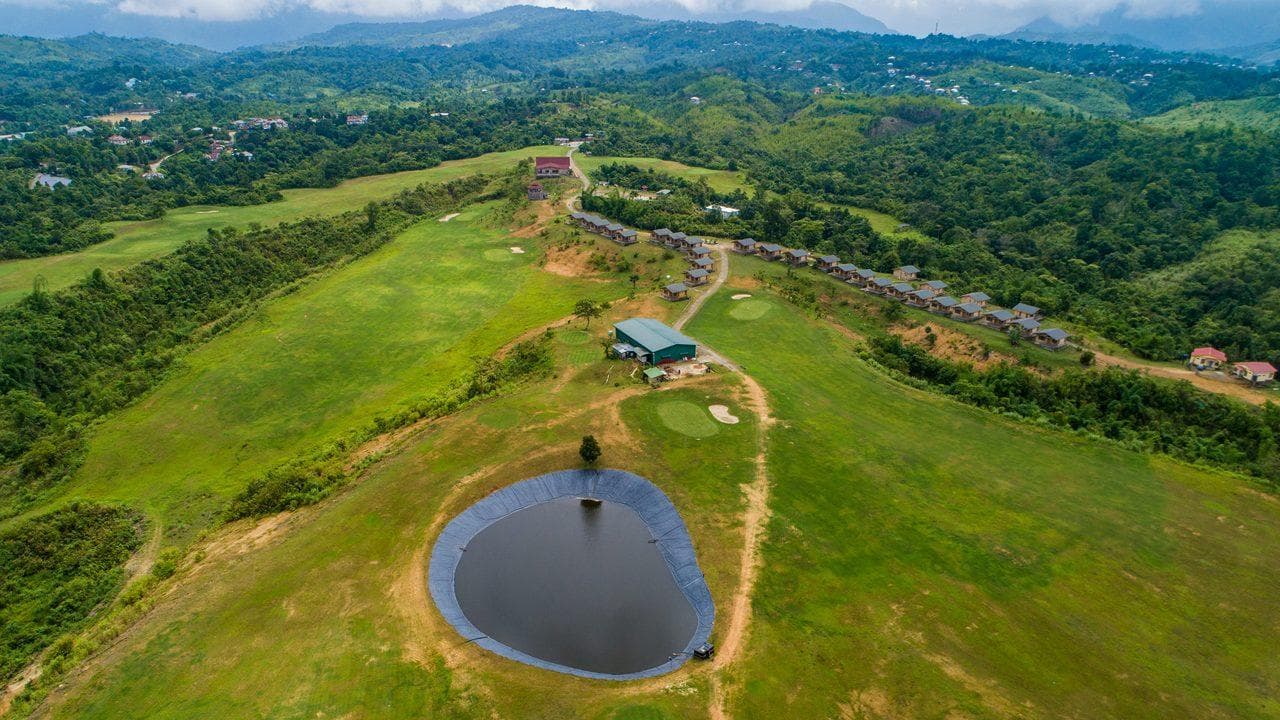
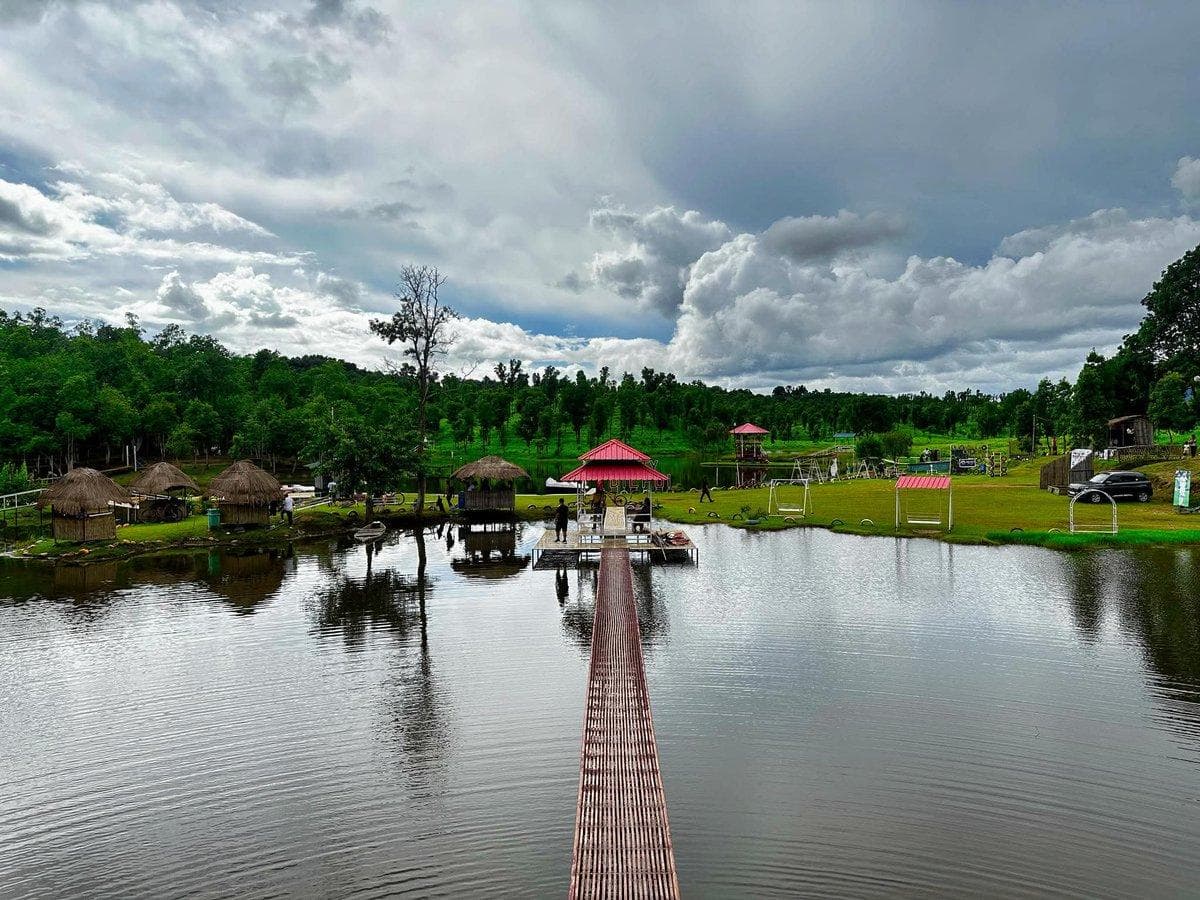
Beyond its textile traditions, Thenzawl is surrounded by the characteristic green landscapes of Mizoram.
Rolling hills, bamboo groves, forested slopes and small agricultural settlements define much of the region's natural environment. The area's landscape is influenced by the tropical monsoon climate, which supports rich vegetation and seasonal changes throughout the year.
One of the most recognised natural attractions near Thenzawl is Vantawng Falls, often described as the highest waterfall in Mizoram. Located near the town, the waterfall descends from a considerable height through a forested valley, creating a striking natural setting.
The surrounding forests are also part of the wider ecological landscape of Mizoram, a region known for its rich biodiversity and extensive bamboo resources.
Bamboo has a particularly important place in the everyday lives of Mizo communities. It is traditionally used in house construction, household objects, handicrafts and various agricultural activities.
The relationship between people and their natural surroundings is visible throughout the region, where local knowledge and traditional practices continue to influence how resources are used.
Thenzawl reminds us that the value of a landscape extends beyond its scenic appeal. Its forests, vegetation and natural resources are closely connected to the cultural and economic life of its communities.
The Living Culture of the Mizo People
Thenzawl's identity is deeply connected with the traditions and social life of the Mizo people.
Mizo culture places considerable importance on community participation, collective responsibility and cultural celebrations. Traditional practices, folk music, dance and storytelling continue to form an important part of the region's cultural expression.
One of the most significant cultural traditions is Cheraw, popularly known as the bamboo dance. Performed using pairs of bamboo poles rhythmically moved by participants, the dance requires coordination, timing and skill. It is an important expression of Mizo cultural heritage and is commonly performed during festivals and celebrations.
Another important concept in Mizo society is Tlawmngaihna, a traditional ethical value associated with selflessness, community service, courage and responsibility towards others.
These values reflect a broader understanding of community life, where individual actions are connected to collective well-being.
As Thenzawl develops as a destination for cultural and nature-based tourism, preserving these traditions becomes increasingly important. Supporting local weavers, respecting community customs, choosing locally made products and reducing environmental impact can help ensure that tourism contributes positively to the region.
The cultural identity of Thenzawl is not preserved only through festivals or exhibitions. It continues through everyday practices, traditional skills and the people who pass their knowledge to future generations.
The Threads That Keep Heritage Alive
Thenzawl is a place where the beauty of the natural world meets the creativity of human hands. Its green landscapes, bamboo traditions and distinctive handloom textiles reveal a cultural identity that has developed through generations of knowledge and craftsmanship.
From the intricate patterns of traditional Puan to the rhythmic movements of the Cheraw dance, every expression reflects the importance of community and cultural continuity in Mizo society.
As interest in Mizoram's lesser-known destinations grows, preserving its traditional skills and natural surroundings becomes increasingly important. Responsible tourism can support local artisans, strengthen community livelihoods and encourage greater appreciation for indigenous knowledge.
Perhaps the true significance of Thenzawl lies in its ability to keep tradition alive through everyday life.
Here, heritage is not simply something remembered from the past. It is something continuously created, one thread, one pattern and one generation at a time.
Share this article:
About Admin
Travel enthusiast and writer sharing stories from around the world. Passionate about discovering hidden gems and cultural experiences that inspire wanderlust.