Food & Culture
Taste of Vietnam
Admin
Author
November 27, 2025
5 min read
579 views
#food#vietnam#culinary#cuisine
Vietnamese food is more than just a meal, it’s a cultural experience. Known for its freshness, delicate flavors, and colorful presentation, it reflects the country’s rich history, geography, and traditions. Unlike cuisines that rely heavily on heavy sauces or spices, Vietnamese food emphasizes harmony, balance, and natural ingredients, creating dishes that are healthy, aromatic, and visually stunning.
The Art of Balance in Vietnamese Cuisine

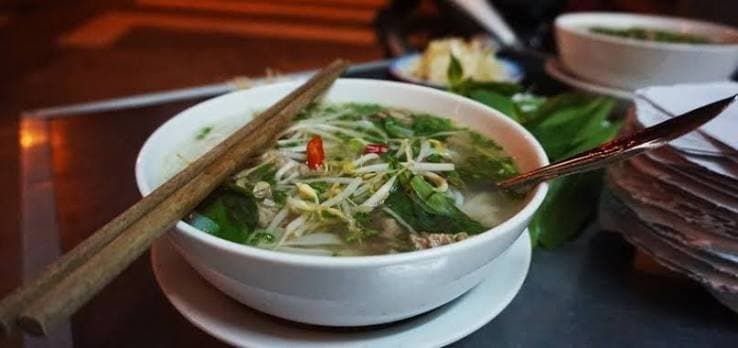
What sets Vietnamese food apart is its masterful balance of the five fundamental tastes: sweet, sour, salty, bitter, and umami. Take Pho, for example — the perfect harmony of savory beef broth, fresh herbs, a hint of sweetness from onions, and a squeeze of lime creates a bowl of complexity in every sip. Fresh herbs such as mint, cilantro, and Thai basil add layers of flavor without overpowering the main ingredients.
Fresh Ingredients & Regional Specialties

Vietnam’s diverse geography has shaped its culinary landscape. In the north, dishes are subtle and aromatic with lighter flavors, such as the classic Pho Hanoi. Central Vietnam favors spicier dishes with bold flavors like Bun Bo Hue. Southern cuisine is sweeter and uses fresh herbs and vegetables extensively, as seen in dishes like Goi Cuon (spring rolls) and Com Tam (broken rice).
Fresh vegetables, rice, seafood, and meats dominate Vietnamese meals. Local markets overflow with ingredients picked daily, which means dishes are always fresh and vibrant. The emphasis on freshness contributes not only to taste but also to the health benefits that Vietnamese cuisine is celebrated for worldwide.
Street Food Culture and Global Appeal

Vietnamese street food culture is legendary. Busy streets in Hanoi, Ho Chi Minh City, and Hoi An overflow with vendors serving Banh Mi sandwiches, Pho, Bun Cha, and Che desserts. The meals are affordable, fresh, and bursting with flavor — all cooked in front of you, adding to the sensory experience.
This accessibility, combined with Instagram-worthy presentation, has helped Vietnamese food gain global popularity. Tourists and food bloggers alike are drawn to the combination of taste, authenticity, and cultural immersion. The street food culture ensures that Vietnamese cuisine is not only enjoyed locally but also resonates internationally.
Vietnamese cuisine stands out for its fresh ingredients, balanced flavors, and rich cultural heritage. From the steaming bowls of Pho to the crispy, herb-filled Banh Mi, each dish tells a story of history, geography, and tradition. Its global popularity is no surprise — Vietnamese food is vibrant, healthy, and unforgettable.
Whether you are exploring the streets of Hanoi or dining at a modern Vietnamese restaurant abroad, the cuisine delivers a culinary experience that is both authentic and transformative. Vietnamese food is more than a meal — it’s a journey for the senses.
Share this article:
About Admin
Travel enthusiast and writer sharing stories from around the world. Passionate about discovering hidden gems and cultural experiences that inspire wanderlust.