Travel
Suru Valley: Where Ladakh Turns Green & Wild
Admin
Author
August 14, 2026
5 min read
87 views
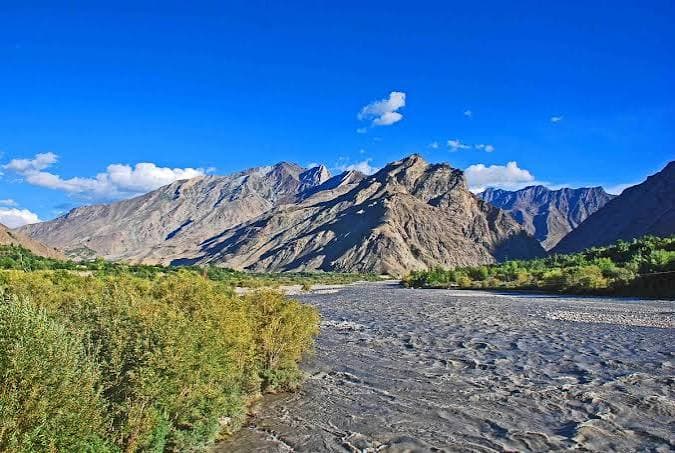
Ladakh is often associated with stark mountains, barren plateaus and high-altitude deserts, but Suru Valley presents a distinctly different landscape. Located in Kargil district, the valley follows the course of the Suru River and is marked by cultivated fields, dense plantations, mountain villages and snow-covered peaks. The official Ladakh tourism portal describes Suru as a lush green valley dominated by the twin summits of Nun and Kun, making it one of the region's most visually distinctive landscapes. The journey through Suru Valley is less about reaching one particular attraction and more about watching the landscape change with every kilometre. Villages, agricultural fields, glaciers and increasingly stark high-altitude terrain gradually lead towards Rangdum and the route to Zanskar.
Sankoo: The Green Gateway
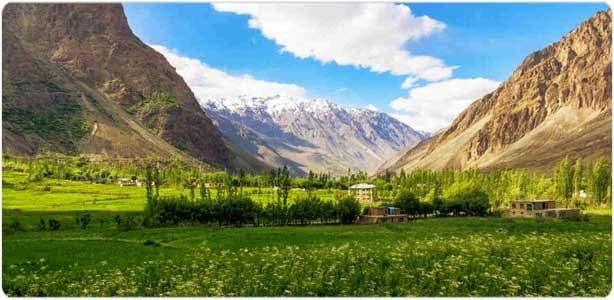
Around 40 km from Kargil, Sankoo is one of the principal settlements of Suru Valley. Its green landscape and dense plantations immediately create a contrast with the arid surroundings associated with much of Ladakh. Sankoo is also significant for adventure travel, serving as a base for trekking routes towards Shargole and Drass.For travellers entering Suru Valley from Kargil, Sankoo provides the first clear indication of how dramatically the terrain changes as the journey moves deeper into the valley.
Purtikchey and the Nun–Kun Landscape
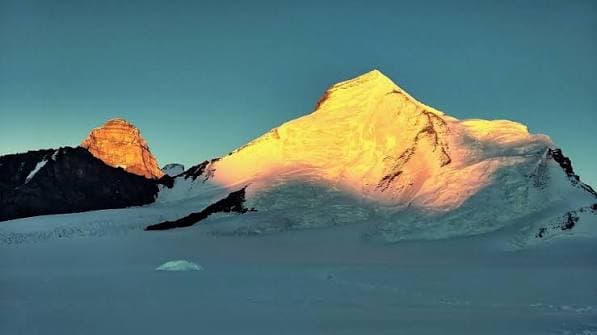
Further along the valley lies Purtikchey, an ancient village located around 60 km from Kargil. Its importance comes largely from its position as a viewpoint for Nun Peak, which rises to 7,135 metres. The wider Nun–Kun massif forms the defining mountain backdrop of Suru. Nun rises to 7,135 metres, while Kun reaches about 7,077 metres, and the massif attracts mountaineering expeditions from across the world. Tangole, farther along the route, serves as a base for expeditions to Nun–Kun.
Panikhar: Suru's Adventure Base
At approximately 70 km from Kargil, Panikhar, also known as Tai Suru, lies on the road towards Padum and Zanskar. It is one of the valley's key adventure centres, with opportunities for trekking, mountaineering, rock climbing and river rafting.Panikhar is particularly striking for the way its cultivated valley floor sits beneath an imposing Himalayan backdrop. The surrounding landscape also provides access to the high mountain terrain associated with the Nun–Kun region.
Parkachik: Glacier Country
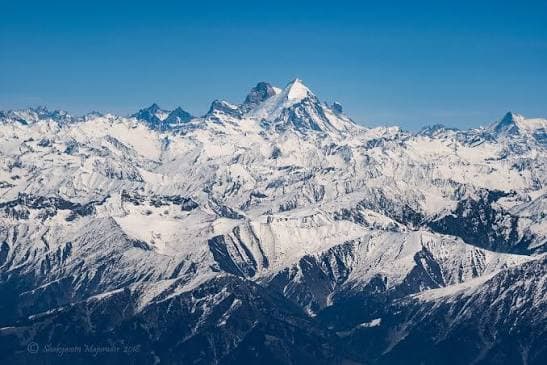
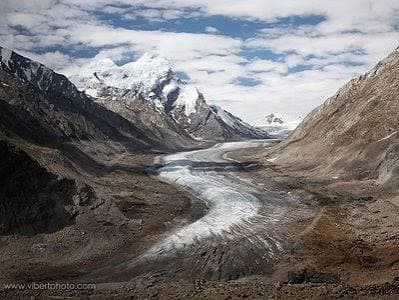
As the road continues beyond Panikhar, the landscape becomes increasingly dominated by glaciers and high mountains. Parkachik is one of the most important natural attractions of Suru Valley, known for the Parkachik Glacier and its dramatic mountain setting. The area is also associated with trekking, rock climbing and mountaineering, making it an important stop for travellers interested in exploring the valley beyond conventional sightseeing. The official Kargil tourism portal specifically identifies Parkachik Glacier as one of Suru Valley's principal attractions.
Wild Tulips and the Valley's Seasonal Transformation
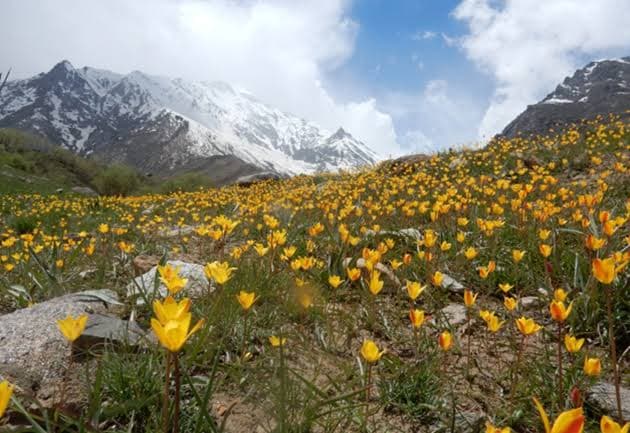
Suru Valley's landscape is not defined only by its mountains. During the warmer months, sections of the valley become noticeably greener, with cultivated fields, meadows and seasonal flowers adding colour to the landscape. Wild tulips are among the distinctive seasonal features documented by the Kargil and Ladakh administrations. Official tourism galleries feature wild tulips alongside images of Karchaykhar, the Suru landscape and the Nun–Kun peaks.This combination of greenery, flowering landscapes and immense snow-covered peaks is one of the reasons Suru feels so different from the more familiar desert landscapes of central Ladakh.
The Road Towards Zanskar
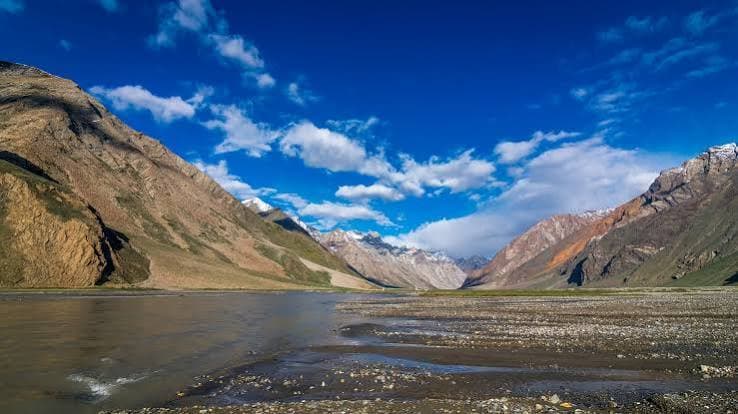
One of Suru Valley's greatest attractions is the journey itself. The road continues from the greener settlements around Sankoo towards Panikhar, Parkachik and Rangdum before entering the high-altitude landscapes associated with the route to Zanskar. The road is seasonal in its more remote sections: the Kargil administration notes that the route beyond Sangra can be prone to landslides during winter, while the main pass towards Zanskar is generally blocked from November to mid-June. This changing accessibility is part of what gives the region its remote character, although travellers should always check current road conditions before planning the journey.
More Than a Scenic Valley
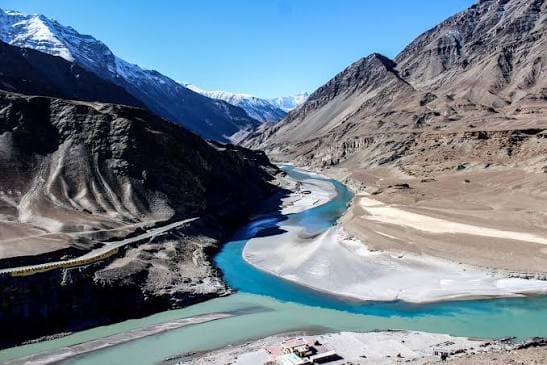
Suru Valley has considerable importance for adventure tourism. The region supports trekking, mountaineering, rock climbing, river rafting and camping, with routes extending from Sankoo, Panikhar and Rangdum into the surrounding mountain terrain. The Kargil tourism administration lists several established trekking routes, including Sankoo–Rusilla–Sapi–Shargole, Drass–Umballa–Sankoo and Panikhar–Warvan–Kishtwar. For mountaineers, the presence of Nun, Kun and other high peaks makes the valley particularly significant. The official adventure listings identify Nun at 7,135 metres and Kun at approximately 7,087 metres, alongside several other peaks in the region.
Suru Valley is not simply an alternative to the better-known destinations of Ladakh. It offers a different geographical experience altogether—green agricultural settlements, the Suru River, wild tulips, enormous Himalayan peaks, glaciers and high-altitude wilderness within one continuous landscape.From the green gateway of Sankoo to the Nun–Kun viewpoints, the adventure landscape of Panikhar, the glaciers of Parkachik and the monastery at Rangdum, the valley reveals its character gradually. That progression—from cultivated valley to glacial wilderness—is what makes travelling through Suru Valley so distinctive.For travellers looking beyond the familiar Ladakh circuit, Suru offers an opportunity to experience the region through its landscape, mountain culture and remote Himalayan geography, rather than simply ticking off famous viewpoints.
Share this article:
About Admin
Travel enthusiast and writer sharing stories from around the world. Passionate about discovering hidden gems and cultural experiences that inspire wanderlust.