Travel
SHOJA: WHERE THE FORESTS HOLD THE SILENCE
Admin
Author
October 31, 2026
3 min read
1 views
A Quiet Corner of the Seraj Hills
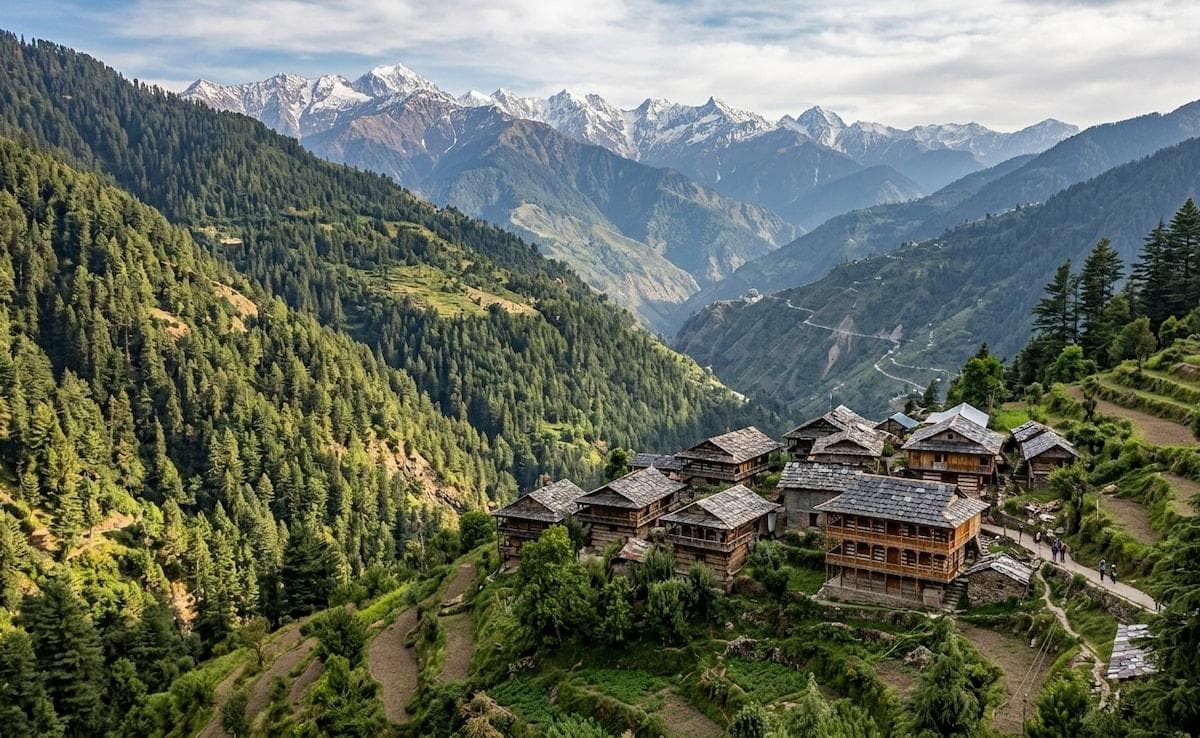
Situated in the Kullu district of Himachal Pradesh, Shoja is a small mountain settlement in the Inner Seraj region, near the Banjar Valley. Perched at an elevation of roughly 2,600–2,700 metres, the village lies along the mountain road connecting Banjar with Jalori Pass.
Unlike the busy hill stations of Himachal Pradesh, Shoja is known for its forested surroundings, scattered houses and open views of the Himalayan ranges. Deodar and oak trees cover the nearby slopes, while apple orchards and small settlements add to the rural character of the landscape.
Its location also makes it an important starting point for exploring the surrounding mountain region. Jalori Pass, Serolsar Lake and Raghupur Fort are among the nearby natural and historical landmarks. Yet Shoja's identity is not limited to its proximity to these places. Its quiet atmosphere and connection with the surrounding forests are what make the village distinctive.
THE FORESTS ABOVE THE VALLEY
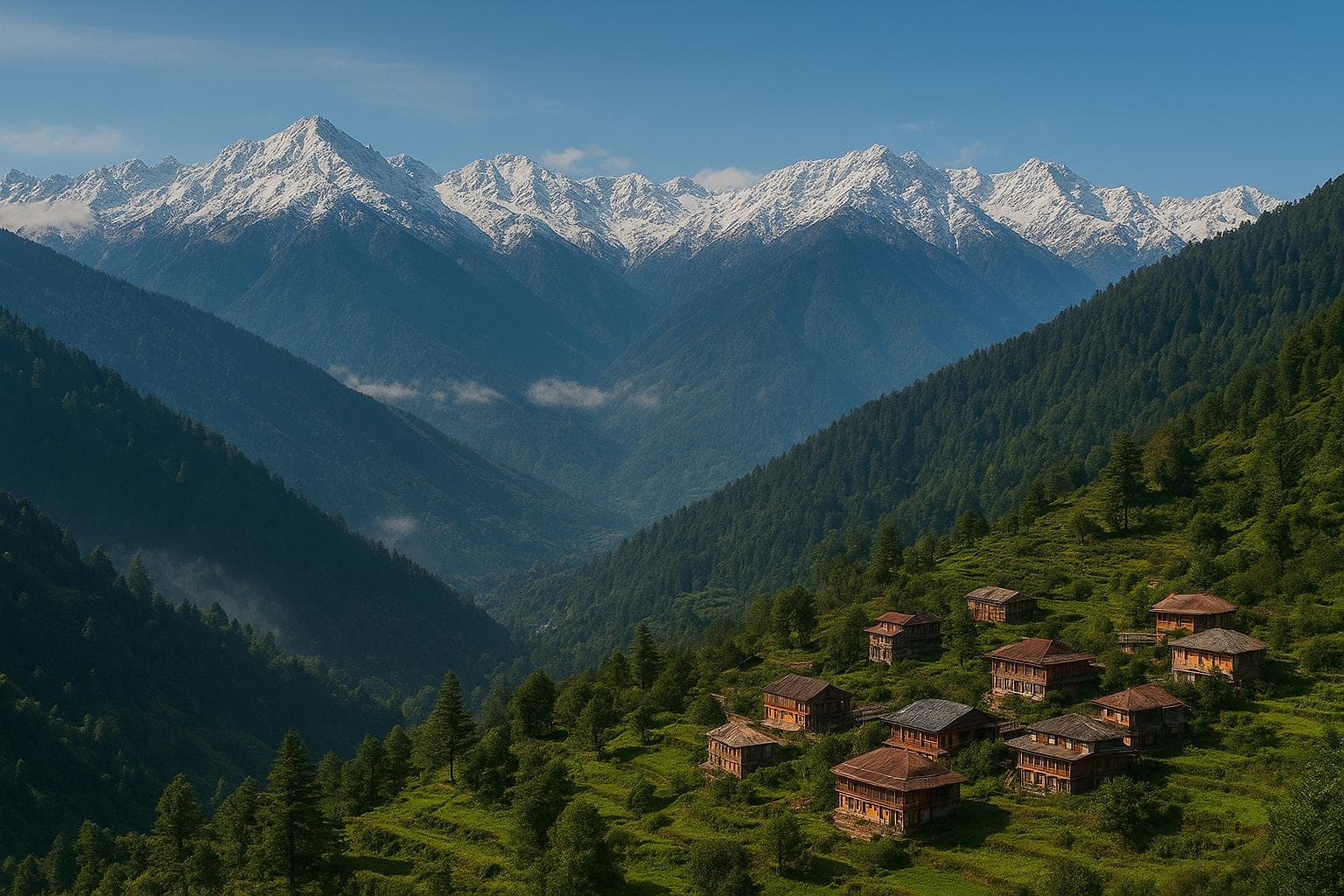
Where mountains breathe through ancient trees
The landscape around Shoja is characterised by thick forests, sloping meadows and distant mountain ranges. Deodar, oak and other high-altitude tree species cover much of the surrounding terrain, creating a green canopy that changes with the seasons.
The village lies close to Jalori Pass, a mountain crossing that connects the Inner and Outer Seraj regions. The surrounding forests are home to diverse Himalayan flora and fauna, while the higher slopes offer expansive views across the mountain landscape.
A short distance from Shoja, Serolsar Lake sits amid forested surroundings and is reached by a walking trail from Jalori Pass. The lake is associated with local religious traditions and is surrounded by oak and other mountain vegetation.
These forests are more than a scenic backdrop. They help support local biodiversity, protect mountain soils and contribute to the ecological balance of the region. Their preservation is important as tourism and development continue to reach smaller Himalayan settlements.
THE TRAILS THAT CONNECT THE MOUNTAINS
Where every path reveals another horizon
Shoja's location makes it a natural gateway to several landscapes of the Seraj region. The nearby Jalori Pass, situated at an elevation of approximately 3,100 metres, offers panoramic views of the surrounding mountain ranges and connects different parts of the region.
From the pass, a forest trail leads towards Serolsar Lake, a high-altitude water body regarded as sacred by local communities. The route passes through woodland and open stretches, offering a closer experience of the region's natural environment.
Another notable landmark is Raghupur Fort, whose remains stand on a mountain ridge above the surrounding valleys. Although much of the structure is in ruins, the site is associated with the area's historical landscape and offers wide views of the surrounding mountains.
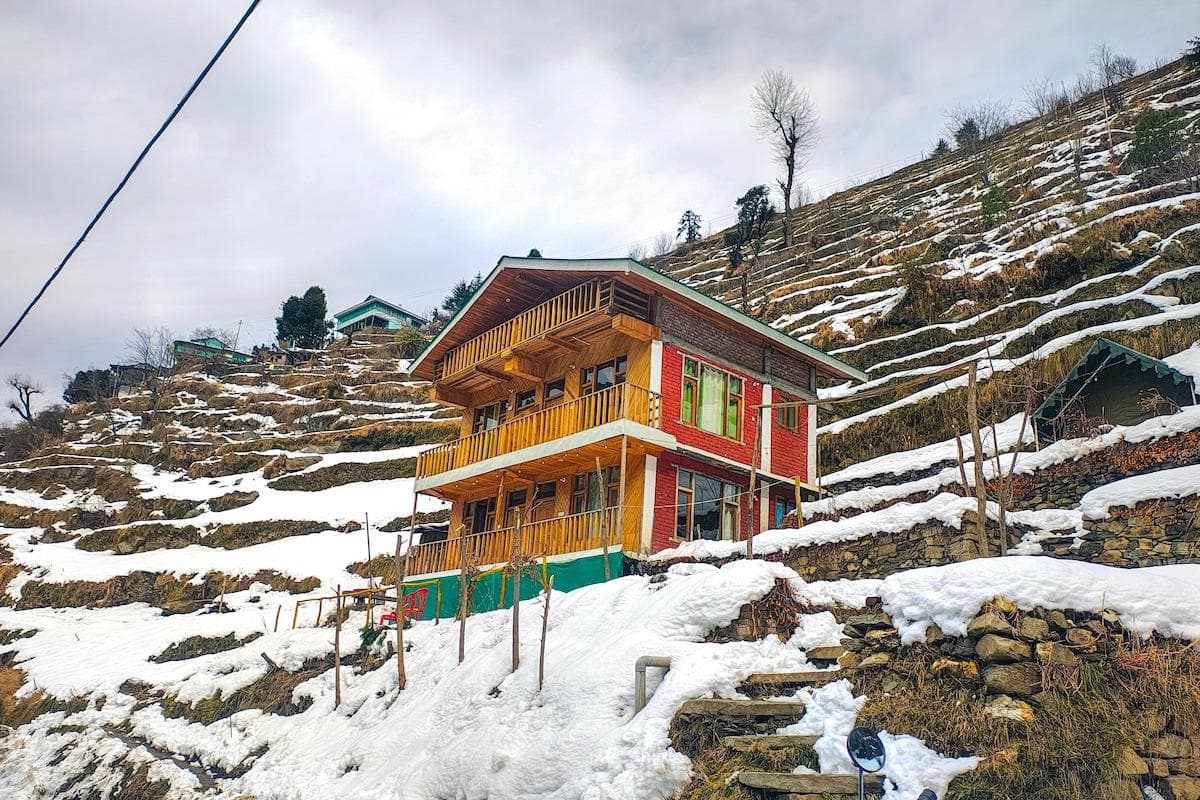
These routes reveal a different side of Himachal Pradesh, where the experience of the mountains is shaped by walking trails, forest ecosystems and local stories. They also remind visitors that mountain paths require care, particularly during changing weather and winter conditions.
THE QUIET RHYTHM OF MOUNTAIN LIFE
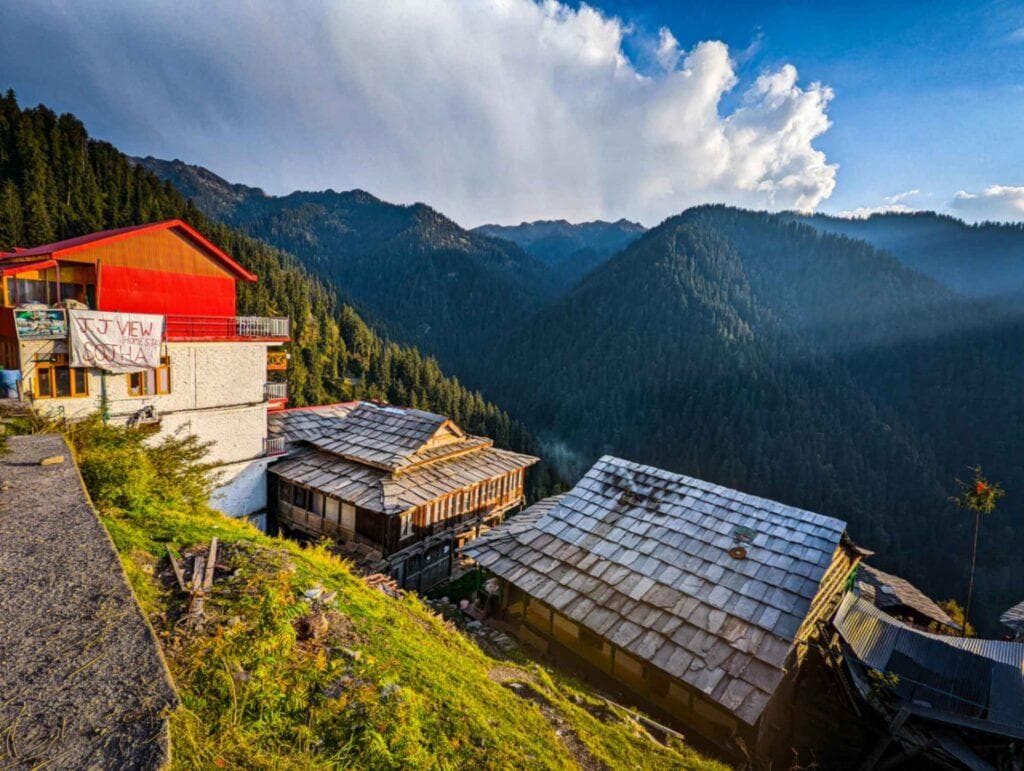
Where everyday traditions remain close to nature
Shoja's identity is closely connected to the rural communities of the wider Banjar and Seraj region. Traditional homes, small agricultural plots and apple orchards form part of the settlement's landscape, reflecting a way of life shaped by the surrounding mountains.
Older houses in the region often feature a distinctive combination of timber and stone. Such building traditions developed in response to local materials, weather conditions and the practical needs of mountain communities. The architecture reflects generations of knowledge about living in a high-altitude environment.
Agriculture and horticulture remain important across the wider region, with fruit cultivation forming part of the local economy. Seasonal changes influence everyday routines, from the growing months to the colder winter period when snowfall can affect movement and access.
As Shoja becomes more visible among travellers seeking quieter Himalayan destinations, its local character deserves attention and care. Supporting locally run homestays, respecting private property and reducing waste can help ensure that tourism contributes positively to the village rather than placing unnecessary pressure on its surroundings.
The Beauty of Staying Still
Shoja is a reminder that the Himalayas do not always need dramatic landmarks or crowded viewpoints to leave an impression. Sometimes, their character is found in forest-covered slopes, quiet village homes and the changing light across distant mountain ranges.
Its forests, nearby trails and rural traditions reveal a landscape where nature remains closely connected to everyday life. The village's significance lies not only in its scenic surroundings, but also in the communities and ecosystems that give it a sense of place.
To experience Shoja meaningfully is to appreciate the value of quiet landscapes and recognise the responsibility that comes with visiting them. Its beauty is best preserved when the mountains are explored with patience, respect and care.
Share this article:
About Admin
Travel enthusiast and writer sharing stories from around the world. Passionate about discovering hidden gems and cultural experiences that inspire wanderlust.