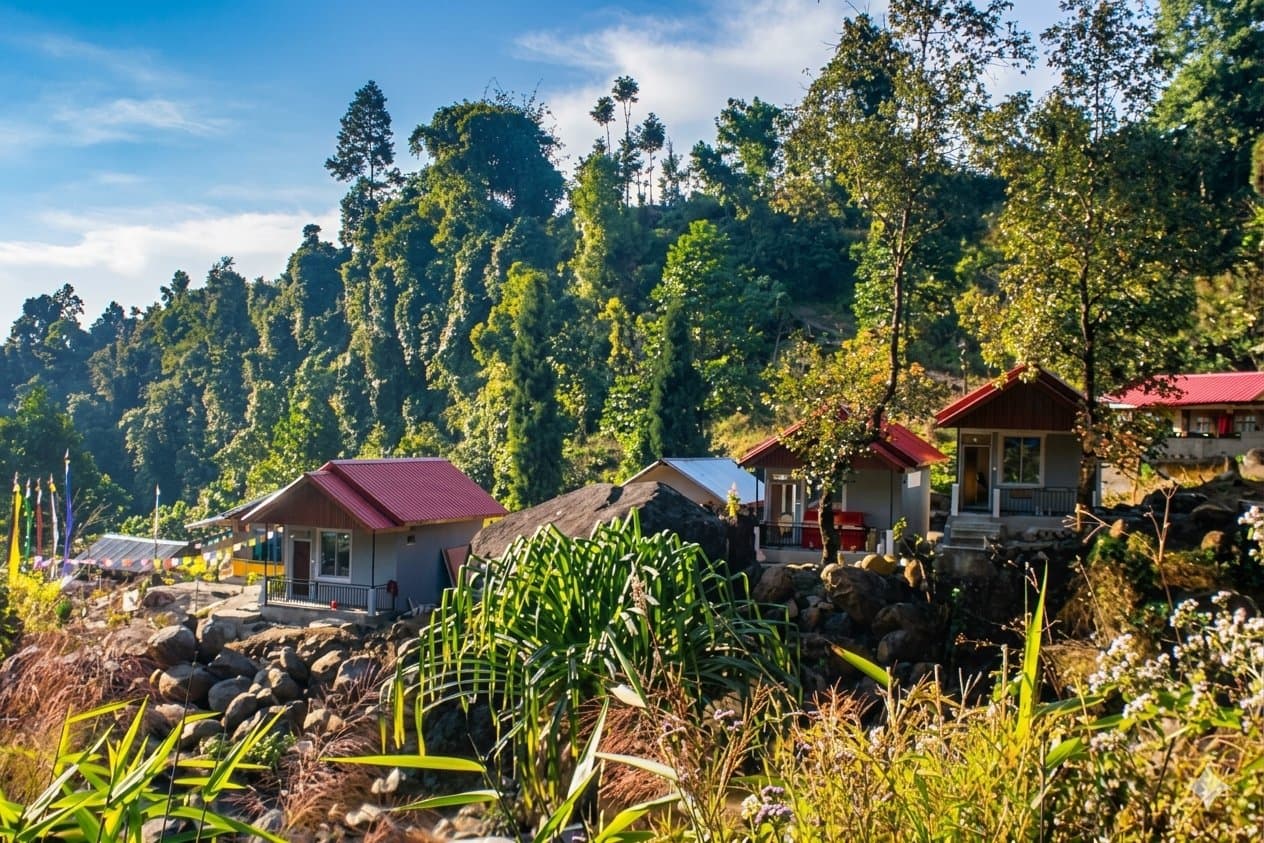
Travel
RONGO: BEYOND THE KNOWN
Admin
Author
October 31, 2026
3 min read
1 views
Where the Hills Hold Their Stories
Situated in the Kalimpong district of West Bengal, Rongo is a peaceful mountain settlement overlooking the Jaldhaka River valley and the surrounding Himalayan foothills. Located close to the Indo-Bhutan border, the village is known for its lush greenery, forested slopes and distinctive agricultural landscape.
Unlike many popular Himalayan destinations, Rongo has a quieter identity shaped by its plantations, local communities and natural surroundings. Its history is closely connected to the cultivation of Cinchona, a medicinal plant that played an important role in the production of quinine, historically used to treat malaria.
The region also reflects the cultural diversity of the eastern Himalayas, with communities such as the Rai, Lepcha, Gurung and other local groups contributing to its traditions and way of life.
Rongo is not simply a landscape to admire; it is a place where nature, history and local livelihoods remain deeply interconnected.
The Green Landscape of the Eastern Himalayas
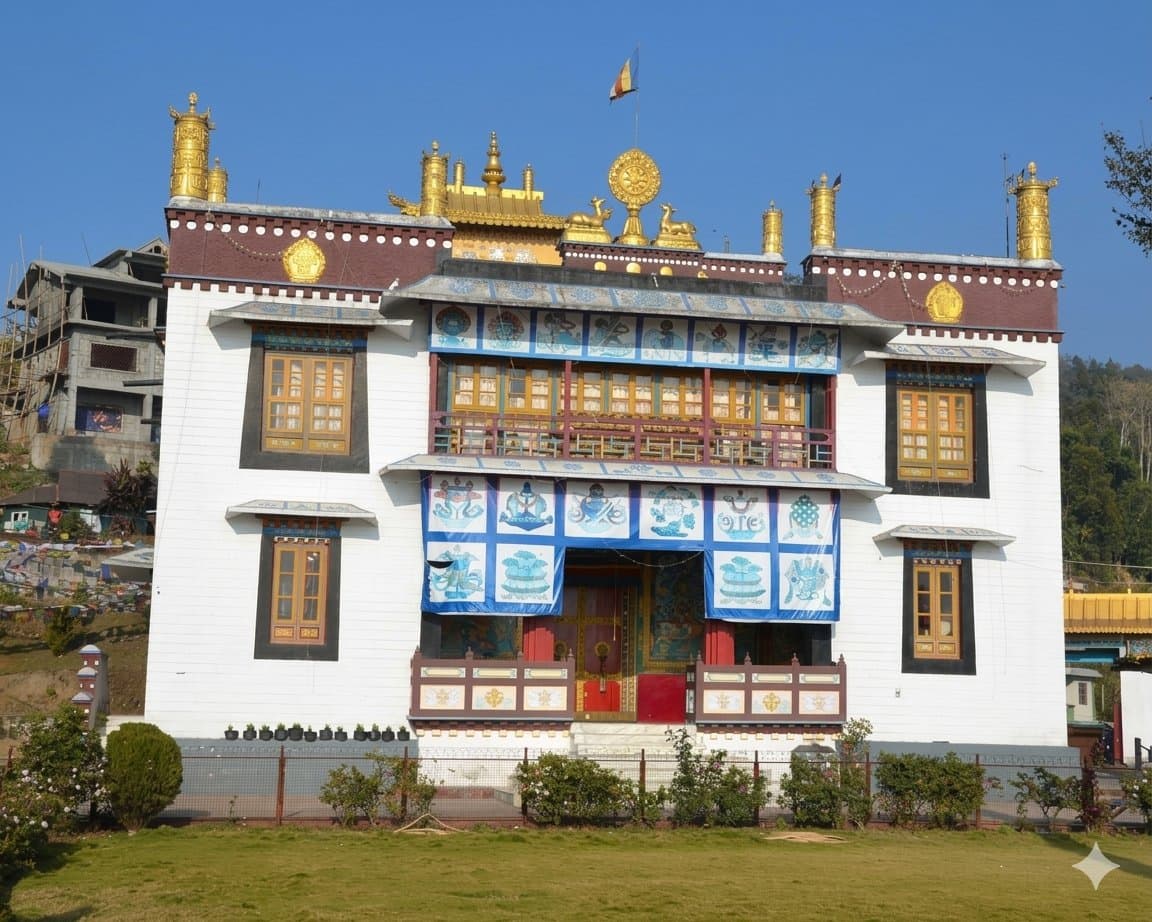
Rongo is surrounded by rolling hills, dense vegetation and forested valleys that form part of the Eastern Himalayan landscape. Its natural setting is shaped by the Jaldhaka River system, which flows through the region and adds to the area's ecological importance.
The surrounding hills support a variety of plant life, from subtropical forests to medicinal plants and cultivated plantations. The changing vegetation across different elevations creates a landscape rich in natural diversity.
Rongo is also connected to the wider forest ecosystem surrounding Neora Valley National Park, an important biodiversity region in Kalimpong. These forests support a remarkable range of flora and fauna, including several species of birds, orchids and other Himalayan wildlife.
For nature enthusiasts, the region offers opportunities to appreciate forest landscapes, observe birds and understand the ecological connections between villages and surrounding wilderness.
What makes Rongo special is not just its greenery, but the relationship between its forests, rivers and communities that have lived alongside this environment for generations
A Legacy Rooted in Healing
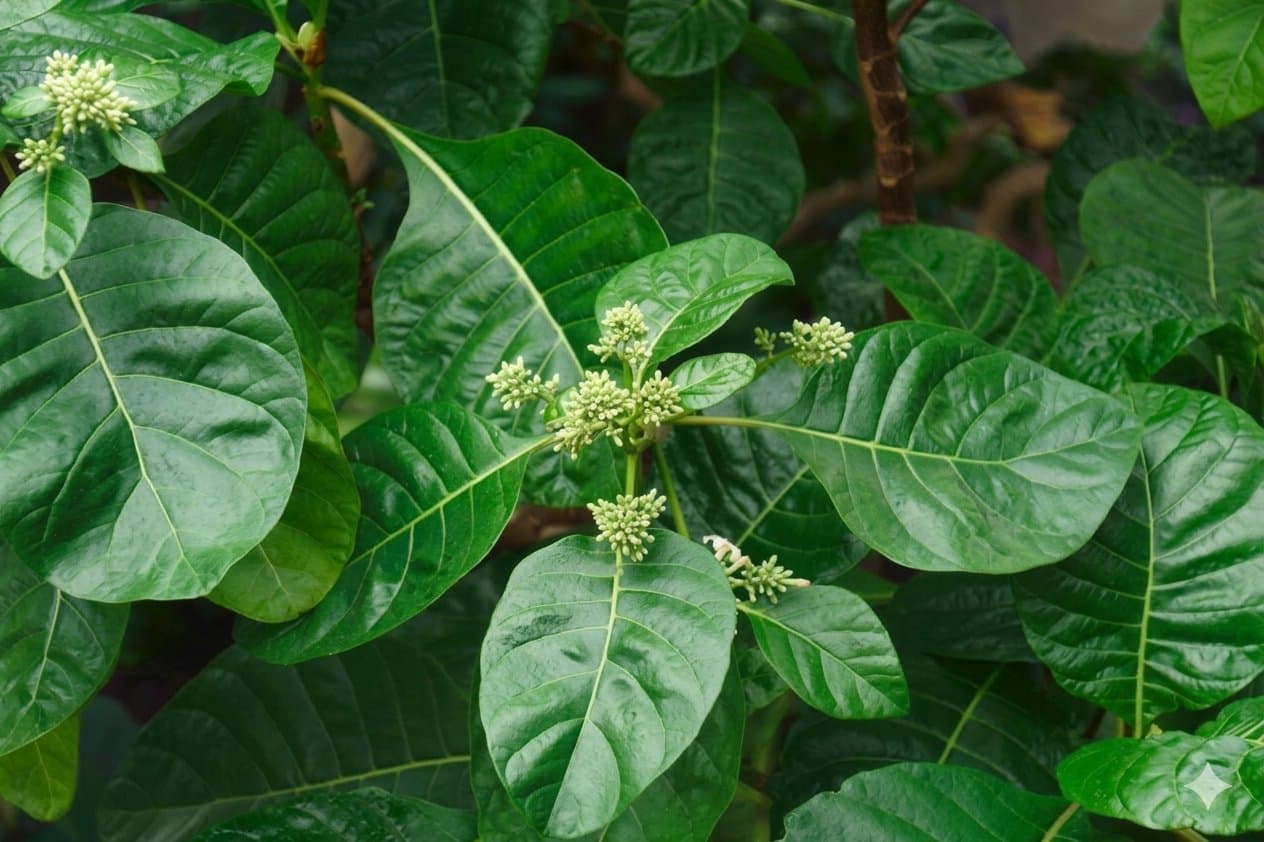
One of Rongo's most distinctive features is its historic connection with Cinchona cultivation. Introduced during the British colonial period, Cinchona plantations were established in parts of the Darjeeling and Kalimpong hills during the nineteenth century.
The bark of the Cinchona tree contains quinine, a compound that became historically important in the treatment of malaria. Its cultivation transformed the agricultural and economic landscape of several settlements in the region.
Rongo and nearby Munsong became associated with medicinal plantations that included Cinchona and other useful plants. These plantations represent an important chapter in the region's history, connecting local agriculture with developments in medicine.
Even today, the plantation landscape remains an important part of Rongo's identity. It reflects how a particular plant, introduced for its medicinal value, influenced settlement patterns, employment and the development of local communities.
The story of Cinchona in Rongo is more than an agricultural history; it is a reminder of how human relationships with plants have shaped landscapes and livelihoods.
Culture, Community and the Art of Living with Nature
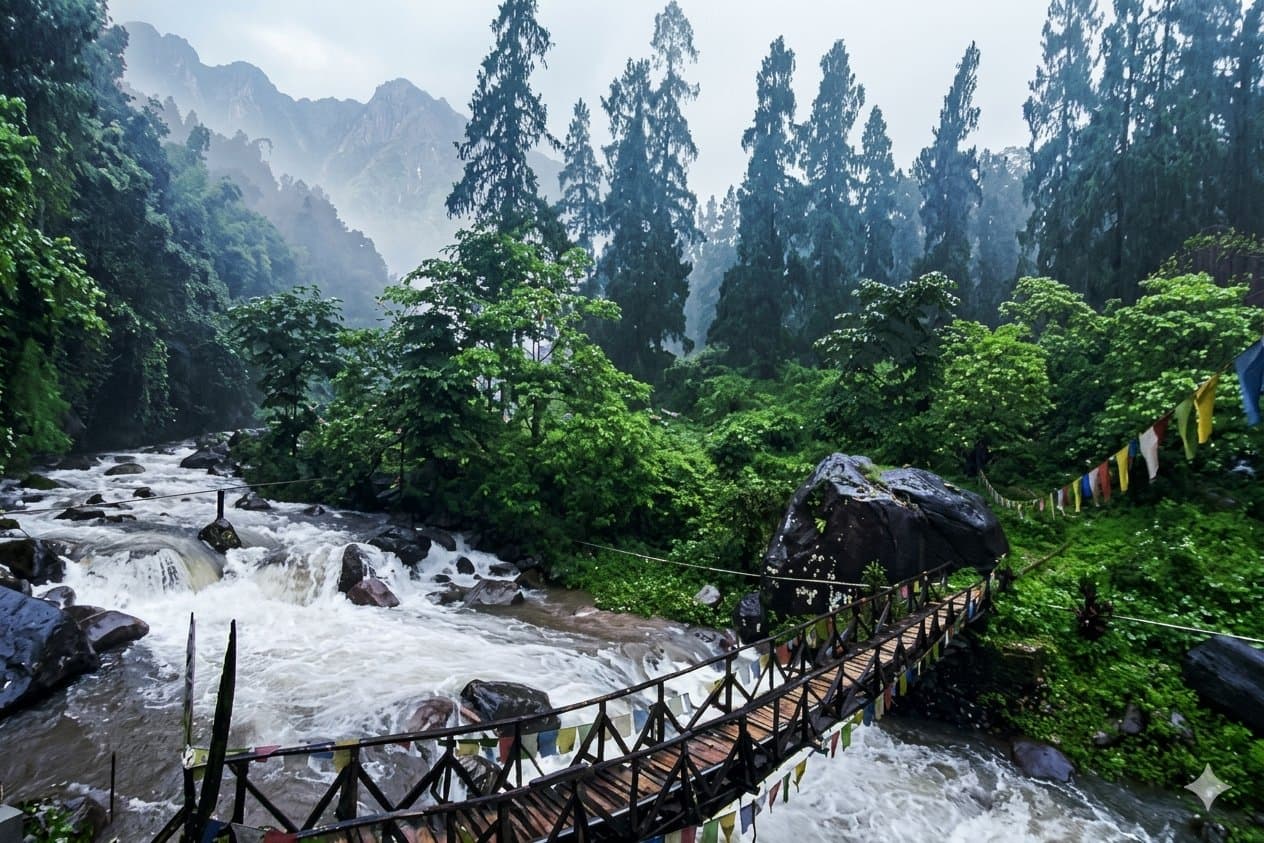
Beyond its plantations and forested surroundings, Rongo is shaped by the everyday lives and traditions of its local communities.
The region is home to diverse communities, including the Rai, Lepcha and Gurung, whose cultural identities are reflected in their customs, food traditions and relationship with the land.
Agriculture continues to play an important role in local livelihoods. Black cardamom cultivation, organic farming, tea growing and other plantation-based activities contribute to the area's rural economy. Traditional knowledge of local plants and their uses also forms part of the region's cultural heritage.
Village life in Rongo moves closely with the rhythms of nature. Homesteads, gardens and agricultural fields are part of the surrounding landscape, creating a connection between daily living and the natural environment.
As interest in lesser-known Himalayan destinations increases, protecting this relationship becomes essential. Responsible tourism means respecting local traditions, supporting community-based accommodation, avoiding littering and understanding the importance of forests and agricultural land.
Rongo reminds visitors that the character of a destination is not defined only by its views, but also by the people who preserve its identity.
Where Nature and Heritage Find Their Balance
Rongo is a place where the stories of the Eastern Himalayas unfold through forests, medicinal plantations and community traditions. Its landscape carries traces of colonial-era agricultural history, while its villages continue to reflect the cultural richness of the region.
From the historic Cinchona plantations to the surrounding forests and the quiet valleys of the Jaldhaka River, every element reveals a different aspect of Rongo's identity.
As lesser-known destinations receive greater attention, the responsibility to preserve their natural and cultural heritage becomes increasingly important. Travelling mindfully, supporting local livelihoods and respecting the surrounding ecosystem can help ensure that places like Rongo retain their character.
Perhaps the beauty of Rongo lies in its ability to remain connected to its roots. It is a reminder that some of the most meaningful travel experiences are found not in places that seek attention, but in places that quietly hold stories worth discovering.
Share this article:
About Admin
Travel enthusiast and writer sharing stories from around the world. Passionate about discovering hidden gems and cultural experiences that inspire wanderlust.