Travel
POLO FOREST: WHERE THE FOREST KEEPS ITS SECRETS
Admin
Author
October 31, 2026
3 min read
1 views
Into the Heart of an Ancient Forest
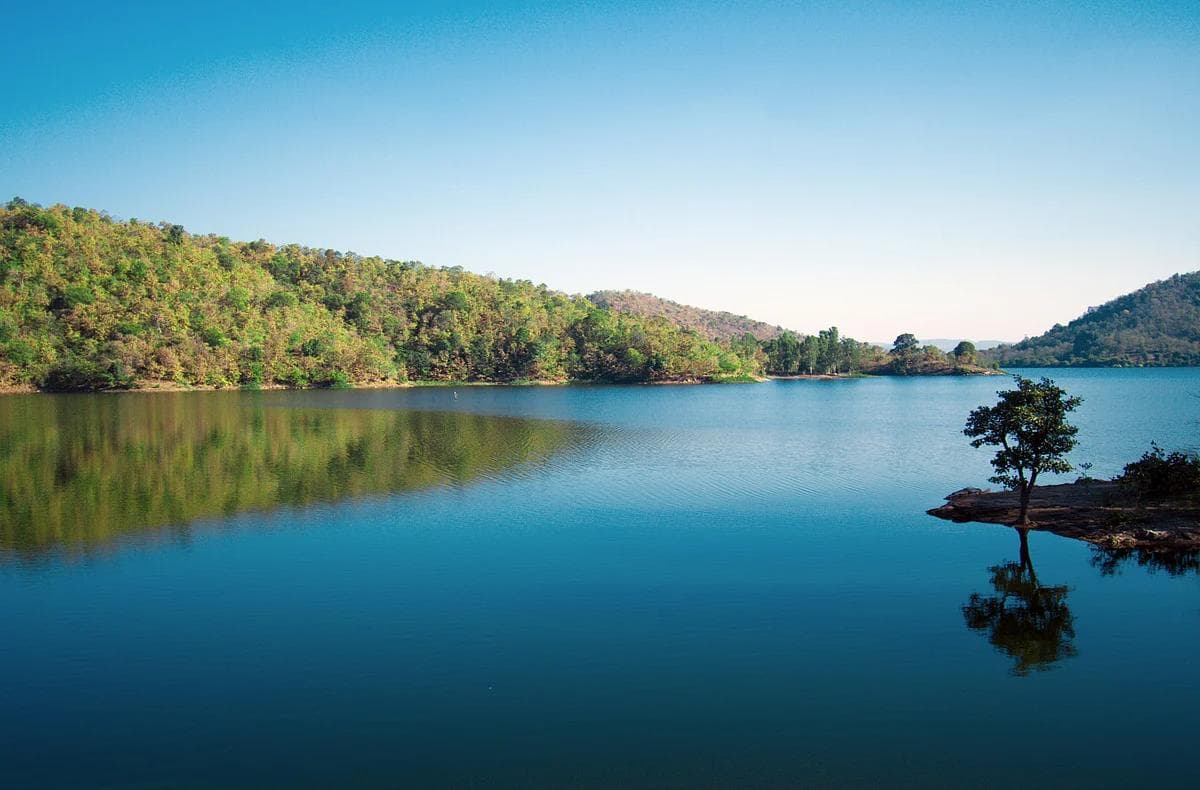
Located near Abhapur village in Vijaynagar taluka of Sabarkantha district, Gujarat, Polo Forest is a distinctive landscape where history and ecology come together. Spread across approximately 400 square kilometres, the forest lies along the foothills of the Aravalli range and is nourished by the Harnav River.
Known for its dry mixed deciduous vegetation, the region transforms after the monsoon, when the woodland becomes greener and its streams and surrounding hills come alive. Its natural environment supports a remarkable variety of plant and animal species, making it an important ecological landscape in northern Gujarat.
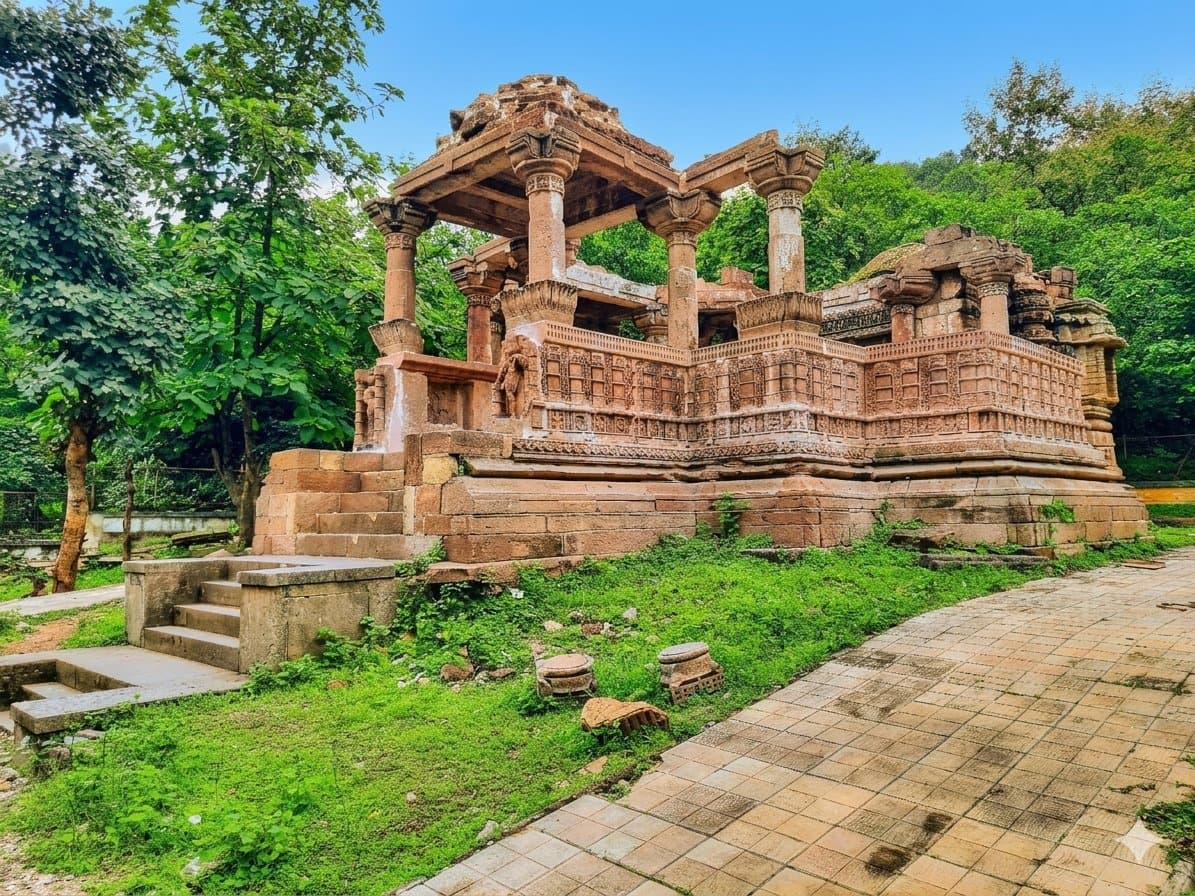
However, Polo Forest is not known only for its biodiversity. Scattered throughout the woodland are the remains of an ancient settlement, including Hindu and Jain temples that reflect the region's historical and architectural significance.
The combination of dense forests, old stone structures and traditional settlements gives Polo a distinctive identity. It is a place where the natural landscape and human history exist side by side, each preserving a different part of its story.
A Living Landscape of Biodiversity
Polo Forest is an important ecological landscape within the Aravalli region, supporting a diverse range of vegetation and wildlife.
Its dry deciduous forests contain numerous tree species, medicinal plants, shrubs and climbers. The Harnav River and its surrounding water bodies also contribute to the ecological balance of the region, supporting different forms of plant and animal life.
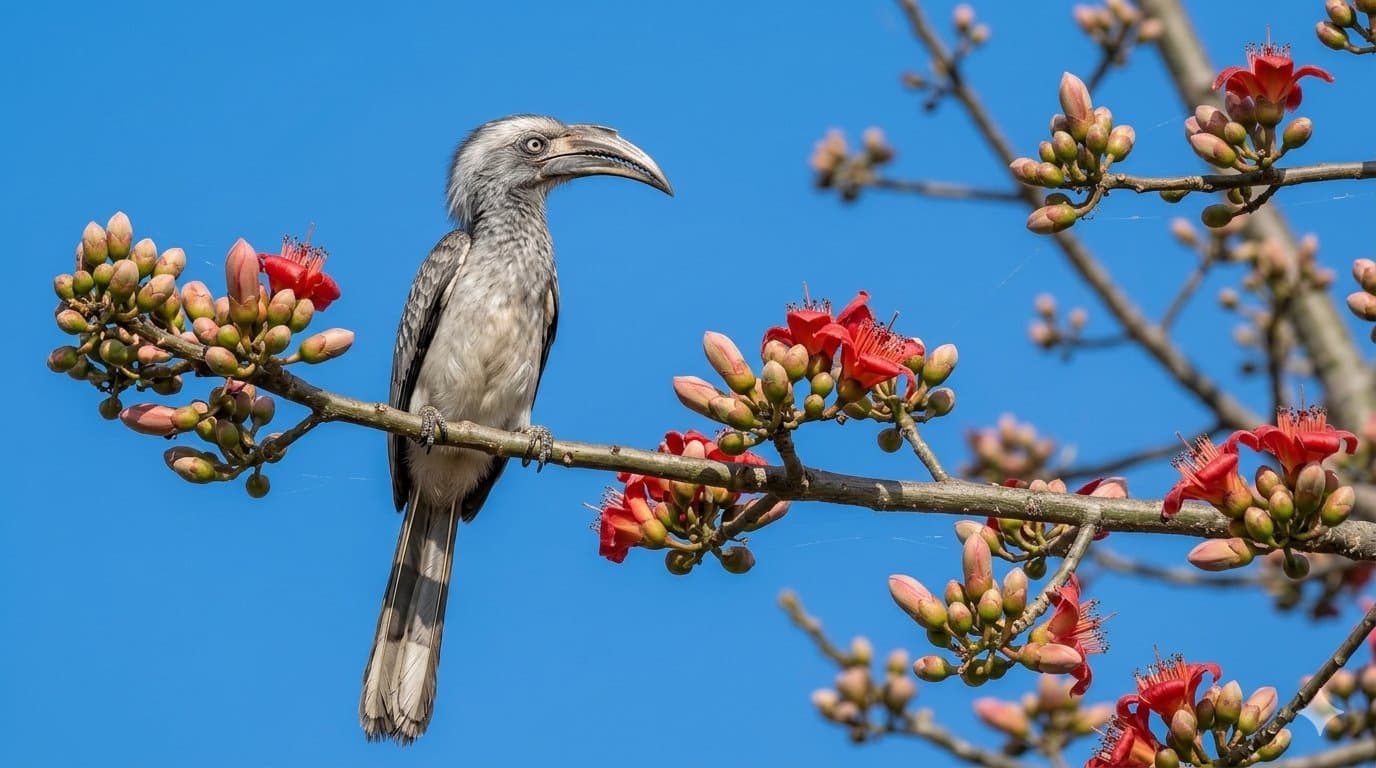
The forest is home to several wildlife species, including sloth bears, leopards, hyenas, jungle cats and flying squirrels. Its birdlife is equally remarkable, with species such as the Grey Hornbill and Brown-headed Barbet forming part of its avian diversity.
Seasonal changes bring different experiences to the forest. Following the monsoon, the woodland becomes particularly lush, while winter attracts migratory birds to the region. These seasonal variations highlight the importance of the forest as a habitat for both resident and migratory species.
Polo's biodiversity also extends beyond its visible wildlife. Its medicinal plants and diverse vegetation form an important part of the region's natural heritage.
The forest reminds us that biodiversity is not simply a collection of different species; it is a connected system in which every plant, animal and water source plays a role in maintaining ecological balance.
The Ruins of a Forgotten Kingdom
Beyond its natural surroundings, Polo Forest holds the remains of an ancient settlement that once occupied an important position between Gujarat and Rajasthan.
Historical accounts associate the establishment of the ancient Polo city with the Parihar rulers of Idar around the tenth century. The settlement later came under the control of the Rathod Rajputs of Marwar during the fifteenth century.
The name Polo is believed to originate from the Marwari word Pol, meaning gate, reflecting the settlement's historical position as a gateway between the two regions.
Today, the remains of the ancient settlement can be found scattered throughout the forest. Among its most notable structures are the Sharneshwar Shiva Temple, Sadevant Savlinga na Dera, Surya Mandir and Lakhena na Dera.
These architectural remains feature intricate stone carvings, religious motifs and distinctive temple designs that provide insight into the craftsmanship and religious traditions of earlier generations.
The settlement is believed to have gradually declined and been abandoned, although the precise reasons remain uncertain. Its location between the Kalaliyo and Mamrehchi hills is often mentioned in accounts of the ancient city's history.
Today, these ruins stand as reminders of a settlement that once connected communities, kingdoms and cultural traditions across the region.
Where Nature, Heritage and Communities Intersect
Polo Forest is more than a protected natural landscape or an archaeological site. It is also a place where local communities have maintained longstanding relationships with the surrounding woodland.
The region has a strong connection with Adivasi communities, particularly the Bhil people, whose livelihoods and traditional knowledge are closely associated with the forest environment.
Agriculture, animal husbandry and the use of forest resources have historically contributed to local livelihoods. Knowledge of medicinal plants and the surrounding natural environment also forms an important part of the region's cultural heritage.
The presence of ancient temples within the woodland adds another dimension to this relationship. Some of these temples continue to be associated with religious practices, demonstrating how historical and spiritual traditions remain connected to the landscape.
As Polo Forest receives increasing attention from visitors, balancing tourism with ecological protection has become essential. Unregulated camping, littering, excessive noise and disturbance to wildlife can affect the delicate forest environment.
Responsible tourism should therefore involve respecting forest regulations, avoiding damage to historical structures, supporting local livelihoods and leaving natural habitats undisturbed.
Polo demonstrates that conservation is not only about protecting trees and wildlife. It also involves recognising the communities, traditions and historical connections that make a landscape meaningful.
The Forest Remembers What Time Leaves Behind
Polo Forest is a remarkable meeting point of nature and history. Its ancient temples, diverse wildlife and forested landscapes reveal different layers of a region shaped by centuries of human and ecological change.
From the architectural remains of the ancient Polo settlement to the biodiversity sustained by the Harnav River, every part of this landscape carries a story worth understanding.
As tourism continues to bring greater attention to the region, protecting its natural resources and historical structures becomes increasingly important. Visitors have a responsibility to approach the forest with care, respect local communities and recognise that its ecological value extends far beyond its appearance.
Perhaps the true significance of Polo Forest lies in the way it brings together two worlds: one shaped by human history and the other by nature's quiet persistence.
Here, the forest does not erase the past. It grows around it, preserving fragments of history beneath its canopy.
Share this article:
About Admin
Travel enthusiast and writer sharing stories from around the world. Passionate about discovering hidden gems and cultural experiences that inspire wanderlust.