Adventure
Pindari Glacier Trek: Complete Guide & Environmental Impact
Admin
Author
March 18, 2026
5 min read
222 views
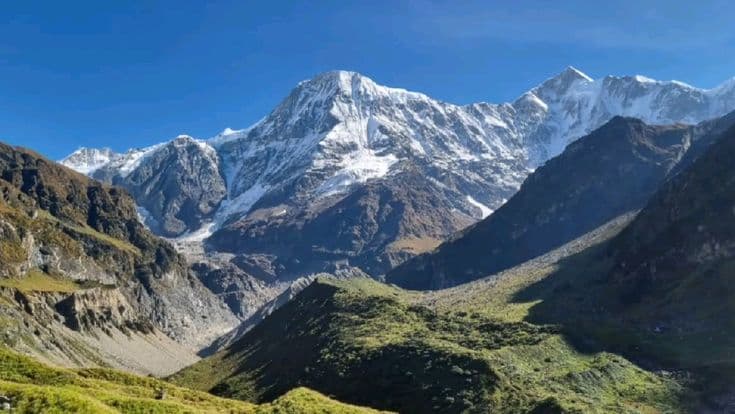
The Pindari Glacier is located between the towering peaks of Nanda Devi and Nanda Kot in the Kumaon Himalayas. It is the source of the Pindar River, an important tributary of the Ganga.
Stretching several kilometers, the glacier is accessible via a well-defined trekking route that winds through forests, villages, and alpine landscapes. The final viewpoint, known as Zero Point, offers a stunning view of the glacier’s snout where the river originates.
Pindari Glacier Trek Itinerary
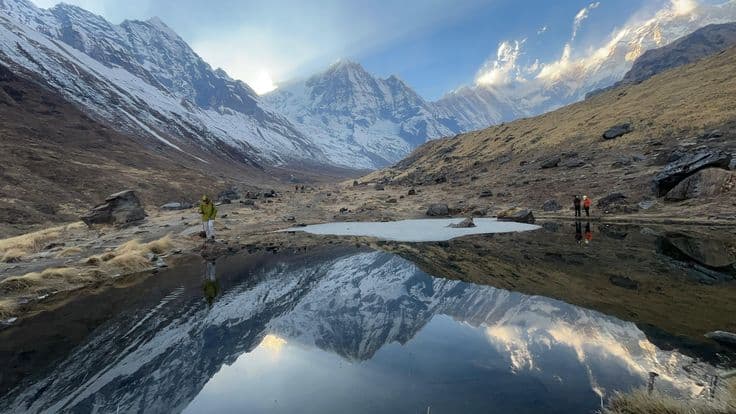
A typical itinerary spans 5 to 7 days and follows a gradual ascent, making it suitable for beginners.
Day-wise Route:
Day 1: Loharkhet to Dhakuri
A moderate climb through forests leading to panoramic Himalayan views.
Day 2: Dhakuri to Khati
A descent into the beautiful Khati village, the last inhabited settlement on the route.
Day 3: Khati to Dwali
Trail along the Pindar River through dense forest sections.
Day 4: Dwali to Phurkia
Gradual ascent into higher altitude terrain with sparse vegetation.
Day 5: Phurkia to Pindari Glacier (Zero Point) and return
Early morning trek to witness the glacier up close, followed by return.
Day 6–7: Return Journey
Retrace steps back to Loharkhet.
Difficulty Level
The Pindari Glacier Trek is categorized as easy to moderate.
Suitable for:
Beginners with basic fitness
Families and first-time trekkers
Nature enthusiasts
Physical Requirements:
Ability to walk 5–7 hours daily
Basic endurance and stamina
No prior trekking experience required
Best Time to Visit
Summer (April to June)
Pleasant weather
Blooming rhododendrons
Ideal for beginners
Post-Monsoon (September to November)
Clear skies and sharp mountain views
Lush green landscapes
Avoid:
Monsoon (July–August): Landslides and slippery trails
Winter (December–March): Heavy snowfall blocks routes
Cultural and Local Experience
One of the most unique aspects of the Pindari Glacier Trek is its cultural immersion. Villages like Khati offer a glimpse into traditional Himalayan life, with wooden houses, local cuisine, and warm hospitality.
Trekking here is not just about landscapes—it is also about understanding the relationship between mountain communities and their fragile environment.
Environmental Damage and Concerns
While the Pindari Glacier Trek is celebrated for its beauty, it also reflects the growing environmental challenges in the Himalayas.
1. Glacier Retreat
Scientific studies show that the Pindari Glacier has been retreating significantly over the past century. It has receded by over 1.5 kilometers between 1976 and 2014 alone.
This retreat is primarily attributed to:
Rising global temperatures
Reduced snowfall
Climate change impacts
The shrinking glacier threatens water availability downstream, affecting agriculture and ecosystems dependent on the Ganga basin.
2. Impact of Tourism
Increased trekking activity, if unmanaged, contributes to environmental degradation:
Plastic waste accumulation along trails
Improper waste disposal near campsites
Pressure on local resources like firewood and water
Trail erosion due to overuse
Even though Pindari is less crowded compared to treks like Kedarkantha or Triund, the impact is gradually increasing.
3. Deforestation and Habitat Disturbance
The expansion of trekking infrastructure and firewood usage has led to localized deforestation. This disrupts wildlife habitats and affects biodiversity in the region.
4. Natural Disasters and Fragile Terrain
The Himalayan region is geologically young and highly unstable. Events like landslides and floods have already impacted nearby trekking routes.
For instance, similar glacier trails in the region suffered severe damage during the 2013 Uttarakhand floods, highlighting the vulnerability of such ecosystems.
Responsible Trekking: What You Can Do
To preserve the beauty of Pindari Glacier, trekkers must adopt sustainable practices:
1. Follow “Leave No Trace”
Carry back all waste
Avoid single-use plastics
2. Respect Local Culture
Support local homestays
Avoid exploiting natural resources
3. Use Eco-Friendly Gear
Reusable bottles
Solar-powered equipment
4. Travel in Small Groups
Reduces environmental pressure
Enhances safety and experience
5. Choose Responsible Operators
Opt for eco-conscious trekking organizations
Share this article:
About Admin
Travel enthusiast and writer sharing stories from around the world. Passionate about discovering hidden gems and cultural experiences that inspire wanderlust.