
Travel
Pangot, Uttarakhand: Where the Forest Speaks in Wings
Admin
Author
November 28, 2026
3 min read
5 views
About 13 kilometres from Nainital, Pangot lies in the Kumaon region of Uttarakhand, surrounded by the forested slopes of the Naina Peak range. Unlike the busy lakeside landscape of Nainital, the village is defined by winding mountain roads, scattered homes and dense woodland. Its elevation and varied vegetation create habitats that support a remarkable diversity of Himalayan wildlife.
Pangot is closely associated with the Naina Devi Himalayan Bird Conservation Reserve, a protected landscape that includes the forests around Kilbury and nearby settlements. The reserve's different elevations and vegetation types create suitable conditions for resident and seasonal bird species. This has made the area an important destination for birdwatchers and naturalists interested in the ecology of the western Himalaya.
Yet Pangot's identity extends beyond birdwatching. Its forests, mountain communities and location within the Kumaon hills make it a place where the relationship between village life and forest ecosystems remains central to the landscape.
The Forests of Pangot: A Habitat of Many Layers
The forests around Pangot and Kilbury are characterised by a mixture of oak, pine and rhododendron, with other broad-leaved Himalayan trees appearing across different elevations. These woodlands create a varied forest structure, from dense canopy cover to shrubs and undergrowth, providing food, shelter and nesting spaces for wildlife.
The changing vegetation is important for the region's bird diversity. Different species occupy different forest layers and elevations, while seasonal flowering and fruiting influence the availability of food. A study of bird communities in Nainital district, conducted between 2017 and 2020, recorded 132 species belonging to 43 families across its surveyed forest habitats. It also found that bird diversity was strongly associated with vegetation structure, including tree diversity and shrub density.
The surrounding forests support mammals as well, including leopard, sambar deer, barking deer and goral. Their presence reflects the importance of maintaining connected woodland habitats rather than treating the forest as a collection of isolated birdwatching spots.
The Birdlife of Pangot: A Himalayan Meeting Ground
Pangot's most distinctive feature is its avian diversity. The wider Naina Devi Himalayan Bird Conservation Reserve has more than 580 recorded bird species, according to official tourism information. Its forests support resident Himalayan birds as well as migratory visitors that use the region during different seasons.
Among the birds associated with the area are the kalij pheasant, Himalayan griffon, lammergeier, brown wood owl, white-throated laughingthrush, collared grosbeak and several species of woodpeckers and flycatchers. The forest habitat also supports species that are more difficult to observe, making patience and careful listening an important part of birdwatching.
The diversity of birds reflects the wider ecological character of the Nainital hills. Forest composition, altitude and seasonal conditions all influence which species can be found in a particular location. For visitors, responsible birdwatching means keeping a respectful distance, avoiding playback calls that disturb birds and refraining from damaging vegetation to obtain a photograph.
Kilbury and the Kumaon Hills: Beyond the Village
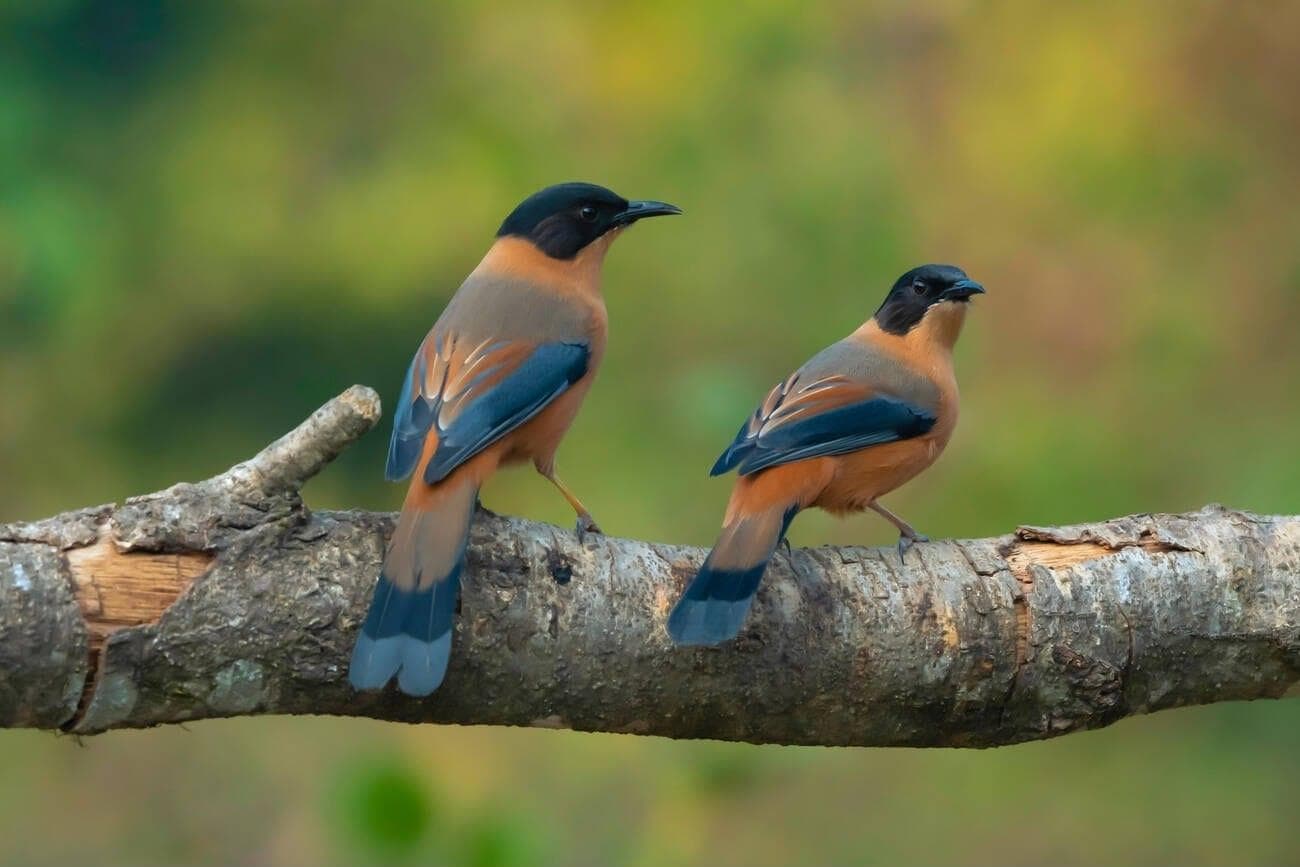
The road connecting Pangot with Kilbury passes through some of the region's most interesting forest habitats. Kilbury is part of the wider bird conservation landscape and is known for its woodland birdlife and mountain viewpoints. The surrounding slopes offer changing perspectives of the forest canopy, while clear weather can reveal distant Himalayan peaks.
The wider area is also shaped by Kumaoni village life. Small settlements are scattered among the hills, and local livelihoods remain connected to agriculture, forest resources and increasingly to nature-based tourism. Homestays and small accommodations have brought visitors closer to the landscape, creating opportunities for local income while also increasing the need for careful waste and water management.
The forested hills around Pangot are ecologically valuable, but they are not separate from human life. Road traffic, construction, litter and disturbance can affect sensitive habitats. Supporting locally run accommodation, respecting village spaces and keeping forest trails undisturbed are practical ways to make a visit more responsible.
Pangot's appeal lies in the details of its natural surroundings: the movement of birds through oak branches, the changing light across forested ridges and the quiet rhythm of a Kumaoni mountain village. Its bird diversity is impressive, but the forests that sustain this life are its most important asset.
Protecting Pangot means conserving the wider woodland landscape, maintaining habitat connectivity and encouraging tourism that does not overwhelm the natural environment. Birdwatching here is best approached with patience and respect, allowing the forest to remain a living habitat rather than a backdrop for sightings.
In Pangot, the forest does not need to be loud to be remarkable. Sometimes, its most extraordinary stories are heard before they are seen.
Share this article:
About Admin
Travel enthusiast and writer sharing stories from around the world. Passionate about discovering hidden gems and cultural experiences that inspire wanderlust.