Travel
Nongkhnum Island – Meghalaya’s Hidden River Island Where Silence Meets the Sky
Admin
Author
April 22, 2026
5 min read
288 views
An Island You Don’t Expect in Meghalaya
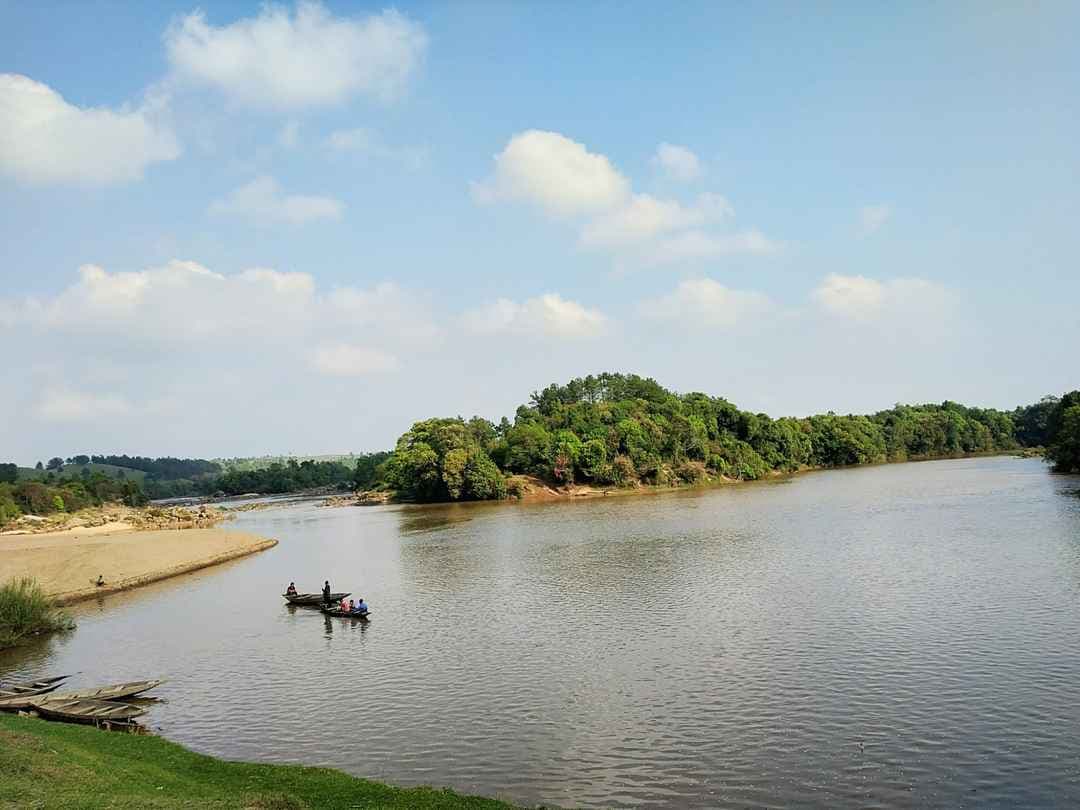
Tucked away in the West Khasi Hills of Meghalaya, Nongkhnum Island is a rare geographical wonder.
Surrounded by the Kynshi River and its tributaries, this island feels almost surreal—wide open spaces, pale sandbanks, and flowing water replacing the dense forests Meghalaya is usually known for.
Reaching Nongkhnum requires effort, but that’s exactly what keeps it untouched.
A Landscape Shaped by Nature & Community
Unlike cities with recorded timelines, Nongkhnum’s history is more geographical than political.
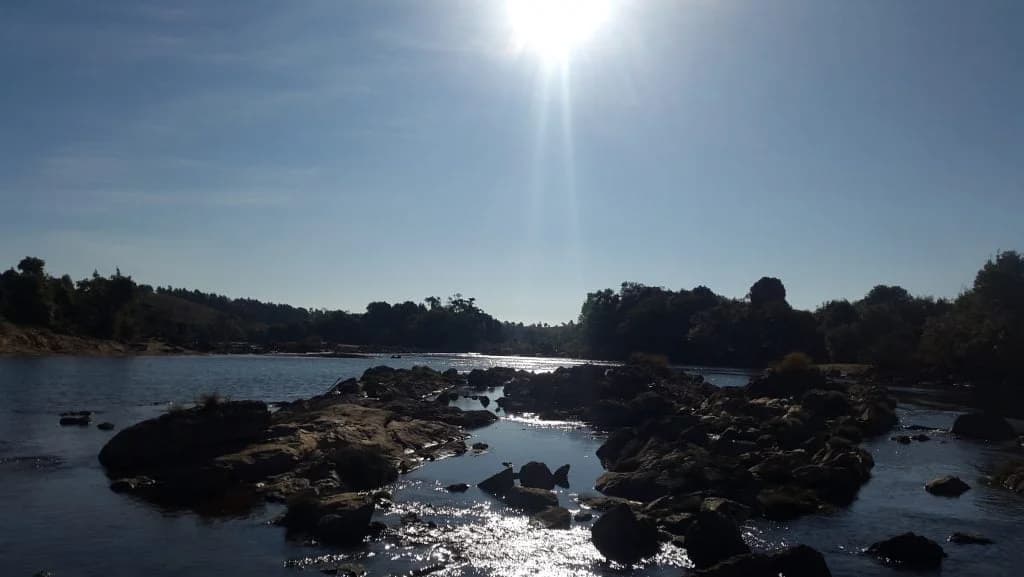
The island formed over time through sediment deposition by the Kynshi River
Local Khasi communities have lived around the region, using the land for fishing, grazing, and seasonal activities
Oral traditions and community practices define the historical narrative
There are no monuments here—but the land itself tells a story of natural evolution and human adaptation.
Where Rivers Create an Island
Nongkhnum’s geography is what makes it extraordinary.
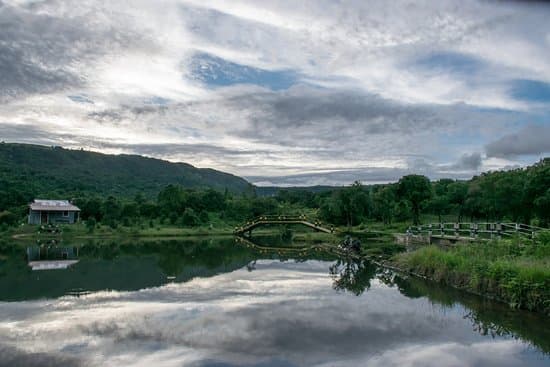
One of the largest river islands in India
Formed by the branching and rejoining of the Kynshi River
Characterized by vast sandbanks, grassy patches, and flowing water channels
Unlike tropical islands surrounded by oceans, Nongkhnum is shaped by freshwater dynamics, constantly changing with seasons and river flow.
This creates a landscape that feels both stable and ever-evolving.
Minimalism in Nature
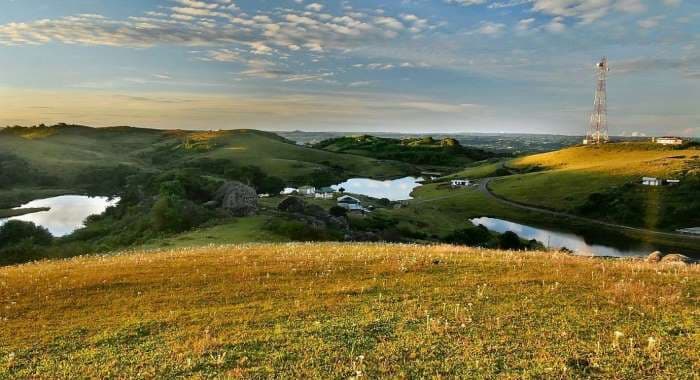
Nongkhnum is not dense—it is open.
Wide sandy expanses that resemble coastal beaches
Sparse vegetation that allows uninterrupted views
River channels reflecting sky and light
This minimalism is what sets it apart from Meghalaya’s usual lush imagery.
Weinia Falls – A Hidden Contrast
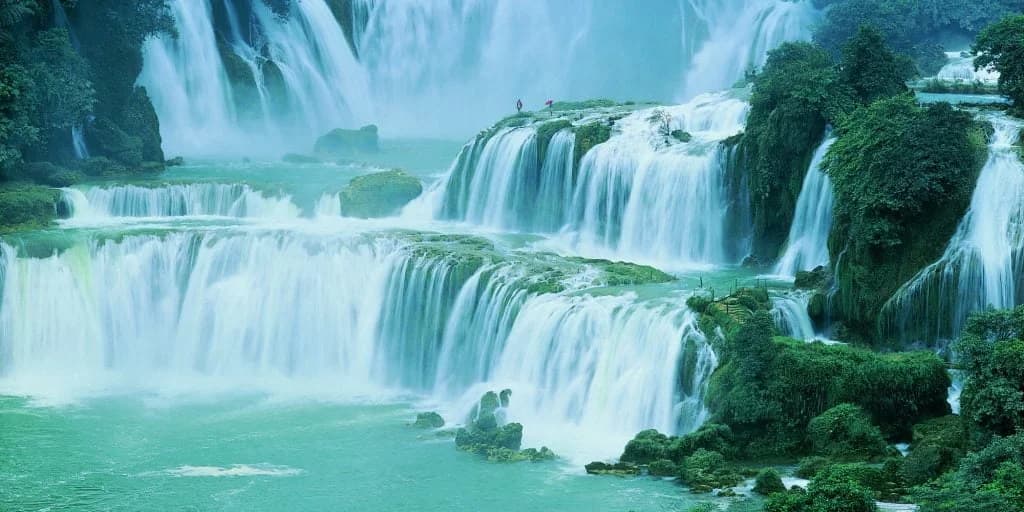
Within the island lies the lesser-known Weinia Falls.
Cascading water cutting through rocky terrain
Surrounded by greenery, contrasting the open sandbanks
A quiet, almost hidden spot within an already secluded destination
It adds a surprising layer of diversity to the island’s geography.
Quietly Rooted in the Land
The surrounding Khasi communities maintain a close relationship with the island:
Fishing and small-scale agriculture
Simple lifestyles shaped by the river’s rhythm
Deep respect for nature and seasonal cycles
There’s no commercialization—only a quiet coexistence with the environment.
Experiences That Define Nongkhnum
Nongkhnum offers space rather than activity:
Walking across vast sandbanks of Nongkhnum Island
Sitting by the flowing Kynshi River
Exploring hidden spots like Weinia Falls
Camping under open skies with minimal disturbance
It’s a place where doing less feels like experiencing more.
Why Nongkhnum Feels Different
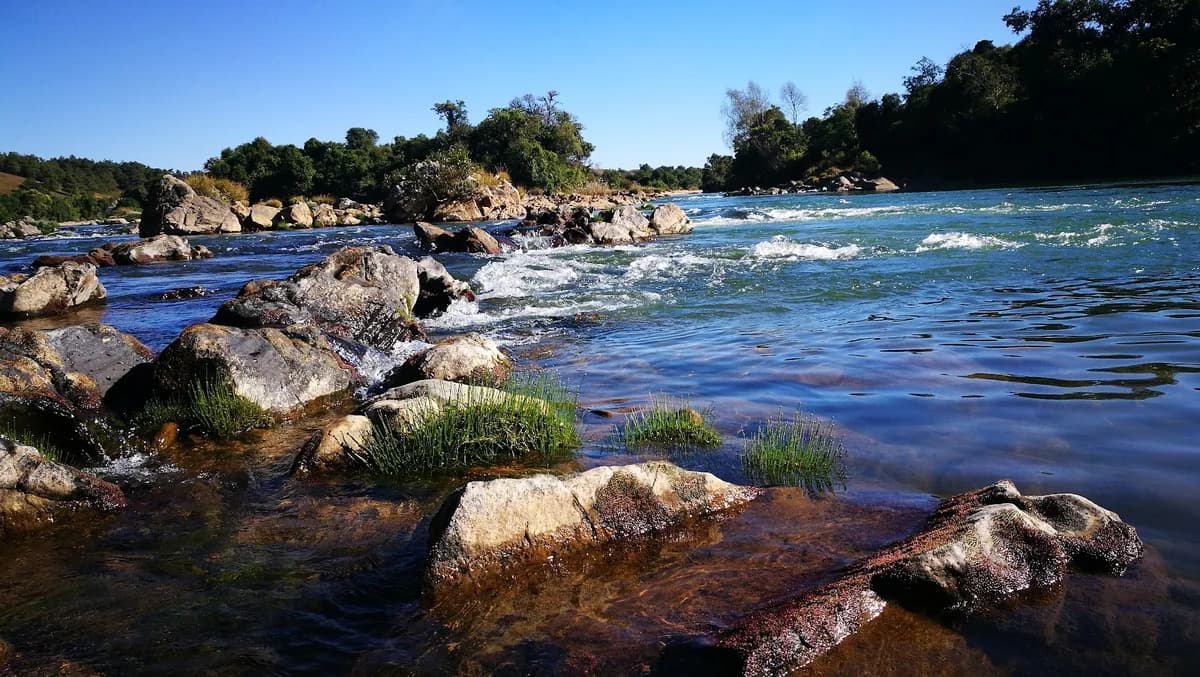
Most destinations add layers—Nongkhnum removes them.
No crowded viewpoints
No overdeveloped infrastructure
Just land, water, and sky
It’s travel reduced to its simplest, purest form.
Best Time to Visit
October to April: Dry season with accessible sandbanks
Winter: Clear skies and pleasant weather
Monsoon (May–September): River levels rise, limiting access but enhancing greenery
Ideal For
Offbeat and slow travelers
Landscape photographers
Minimalist travel enthusiasts
Campers and solitude seekers
Why Nongkhnum Is a Different Kind of Escape
Nongkhnum doesn’t overwhelm—it simplifies.
It strips travel down to its essentials: space, silence, and connection with nature. In a state known for dramatic landscapes, Nongkhnum stands out by being quietly extraordinary.
If you’re looking for a place that feels untouched, open, and deeply calming, Nongkhnum isn’t just worth visiting—it’s worth experiencing slowly.
Share this article:
About Admin
Travel enthusiast and writer sharing stories from around the world. Passionate about discovering hidden gems and cultural experiences that inspire wanderlust.