Travel
NGARI: TIBET'S WILD WEST
Admin
Author
October 31, 2026
3 min read
1 views
Into the Wild West of Tibet
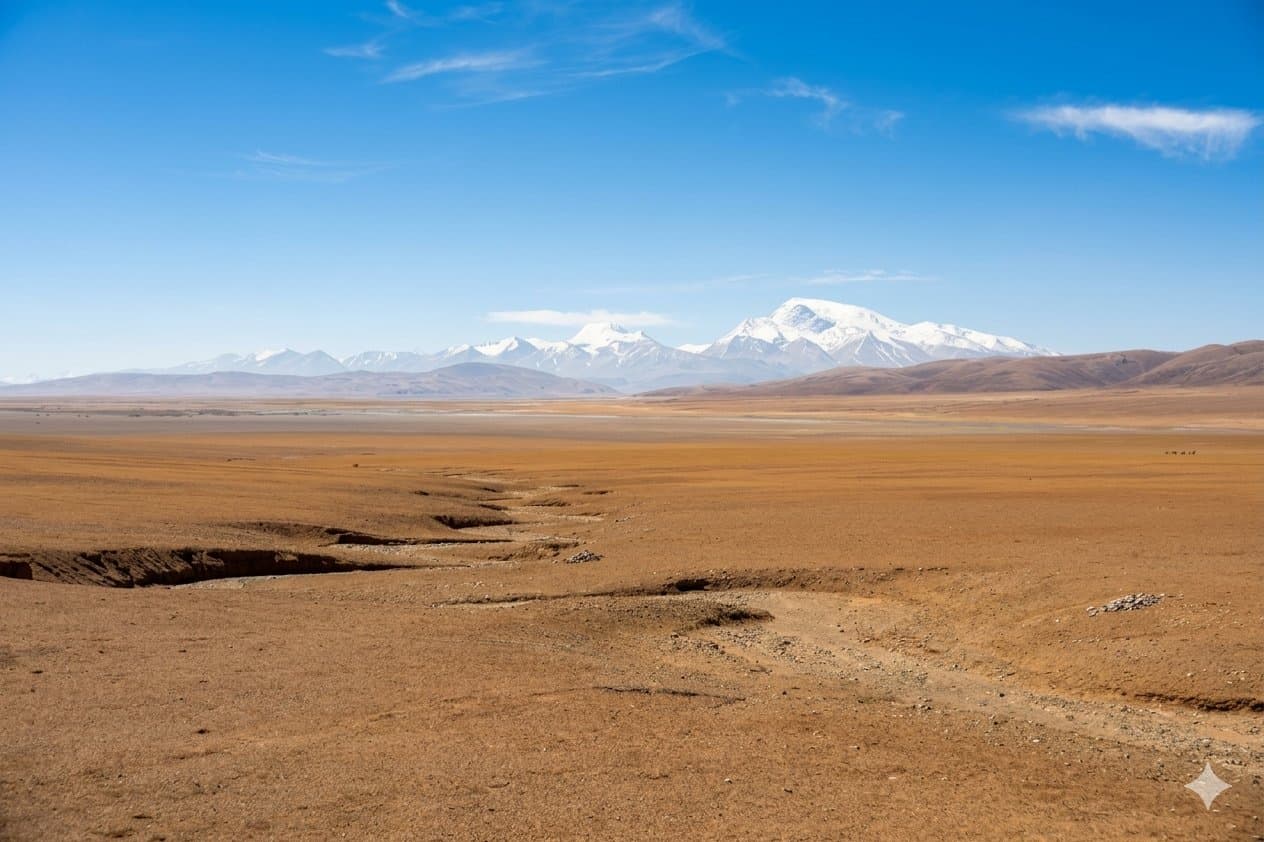
Located in the western part of the Tibetan Plateau, Ngari is one of the most remote and sparsely populated regions of Tibet. Often described as Tibet's Wild West, it is characterised by immense high-altitude plains, rugged mountain ranges, deep valleys and expansive stretches of barren terrain.
Its landscape is part of the vast Trans-Himalayan region, where the natural environment is shaped by extreme altitude, limited rainfall and dramatic seasonal changes. Despite these challenging conditions, the region has supported communities, spiritual traditions and ancient settlements for centuries.
Ngari is particularly known for its association with Mount Kailash, Lake Manasarovar and the remains of the ancient Guge Kingdom. Together, these places reveal the region's importance as a centre of spiritual devotion, historical exchange and remarkable natural beauty.
Beyond its geographical isolation, Ngari is a place where the stories of ancient civilisations and the power of the natural world continue to shape its identity.
A Landscape Shaped by Time
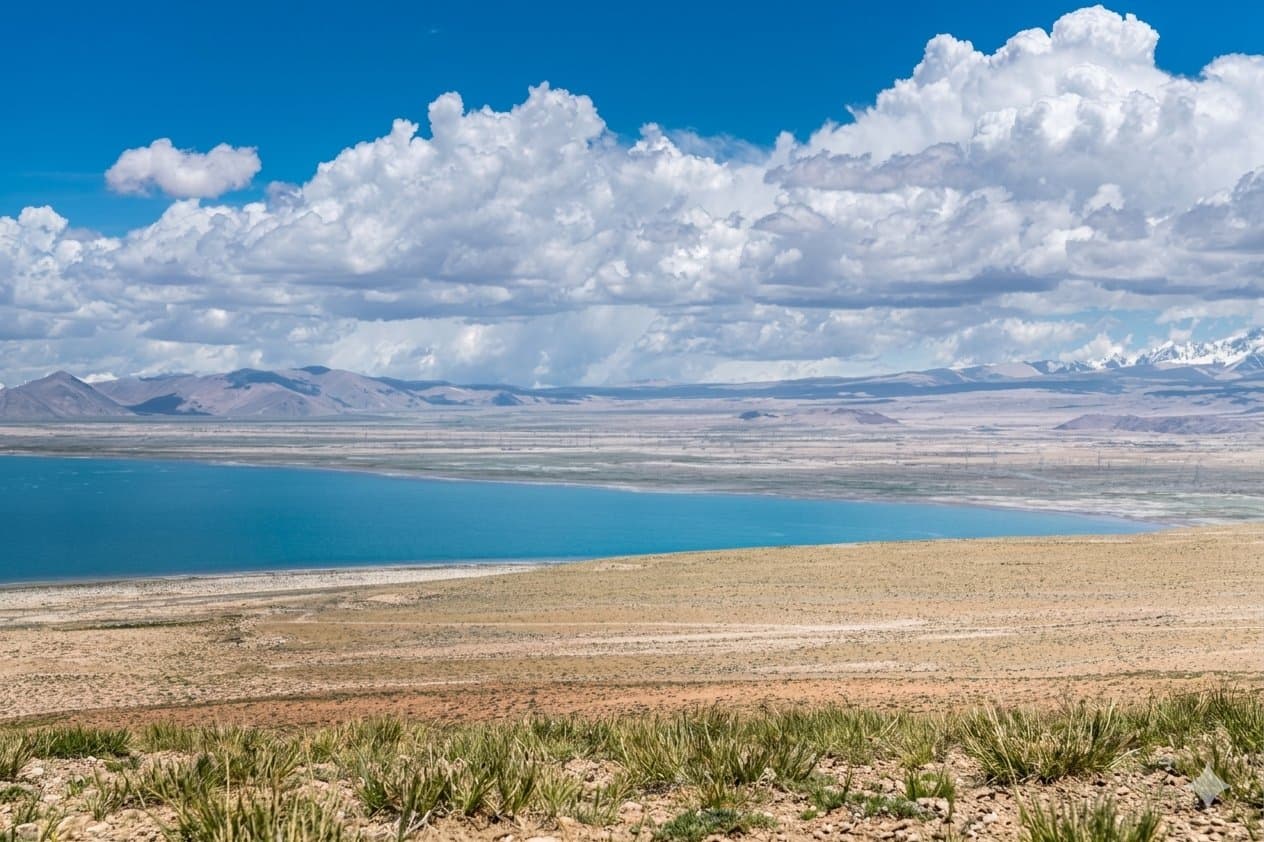
Ngari's landscape is defined by vast open spaces, towering mountain ranges and an extraordinary sense of scale. Situated on the western Tibetan Plateau, the region contains some of the most striking high-altitude environments in Asia.
The Gangdise Mountains, also known as the Kailash Range, dominate parts of the landscape, while the surrounding plains are home to wide valleys, rocky formations and high-altitude lakes. The region's dry climate and limited vegetation create a distinctive terrain where nature appears in its rawest form.
One of Ngari's remarkable geographical features is its connection to the Indus River system. The upper Indus, known locally as the Sênggê Zangbo, originates in the region, highlighting Ngari's importance within the wider river systems of Asia.
Wildlife has also adapted to these challenging surroundings. Tibetan antelopes, wild yaks, kiangs and other high-altitude species inhabit parts of the region, particularly its open grasslands and protected areas.
Ngari reminds us that a landscape does not need dense forests or abundant greenery to hold extraordinary ecological value. Its beauty lies in the delicate balance of life that survives in one of the world's most demanding environments.
Where the Sacred Mountains Meet Ancient Beliefs
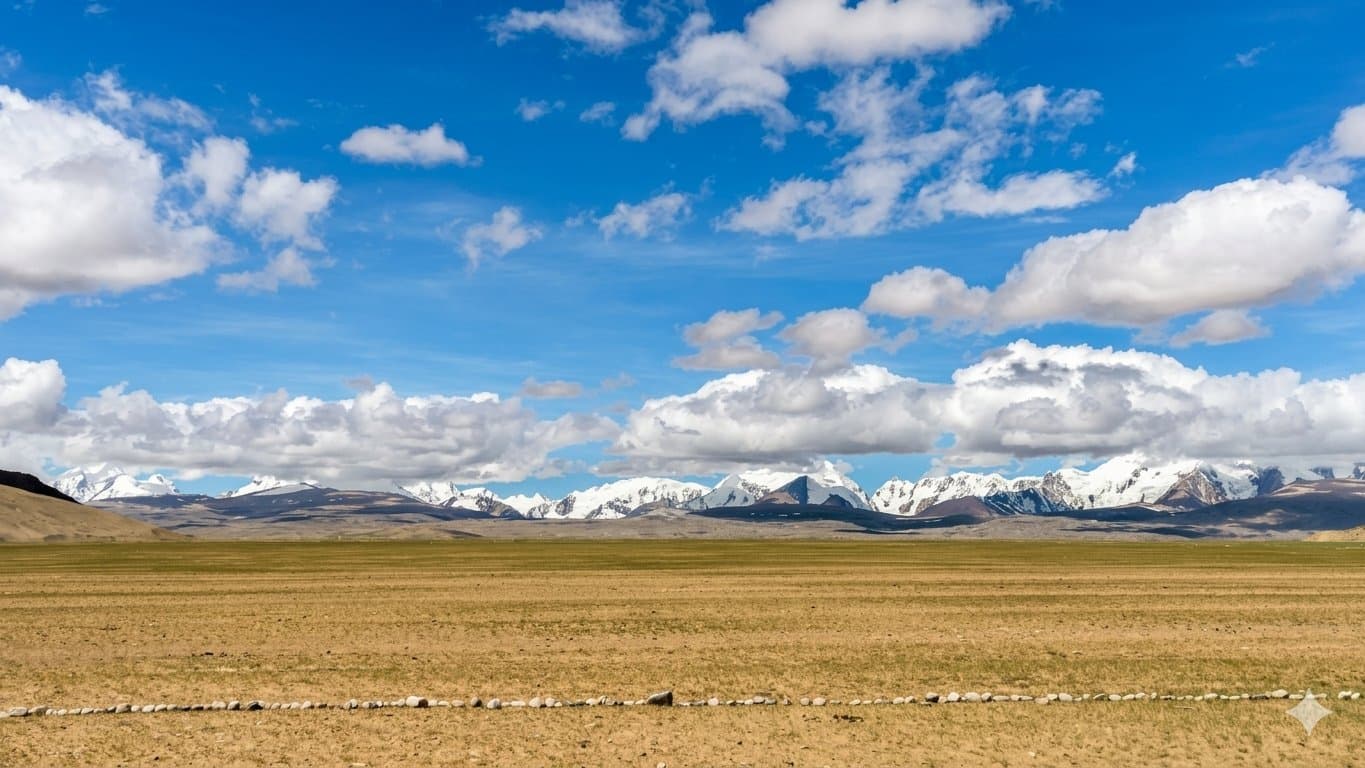
Few places in Ngari carry as much spiritual significance as Mount Kailash and Lake Manasarovar. Together, they form an important part of the religious and cultural landscape of the Tibetan Plateau.
Rising to approximately 6,638 metres, Mount Kailash is regarded as sacred in Hinduism, Buddhism, Jainism and the Bon tradition. For centuries, pilgrims have travelled across difficult terrain to undertake the sacred circumambulation of the mountain, known as the Kora.
Nearby, Lake Manasarovar is revered for its spiritual associations and its remarkable natural setting. Its clear waters, surrounded by high mountains and open landscapes, have inspired religious traditions, stories and journeys for generations.
These sacred sites represent more than geographical landmarks. They reflect the relationship between faith, nature and cultural identity across different communities.
Their importance also makes mindful behaviour essential. Respecting religious customs, avoiding waste and protecting the surrounding environment are important responsibilities for everyone visiting these culturally significant landscapes.
The Forgotten Kingdom of Guge
Beyond its mountains and sacred lakes, Ngari holds the remains of one of Tibet's most fascinating historical civilisations: the ancient Guge Kingdom.
Established around the 10th century, the Guge Kingdom developed in the upper Sutlej River valley and became an important centre of trade, religion and cultural exchange. Its historical capital, Tsaparang, is particularly known for its dramatic ruins built into a series of hills and rocky formations.
The remains of Guge include ancient monasteries, temples, caves and residential structures. Some of these buildings preserve murals, sculptures and artistic details that offer valuable insight into the religious and cultural life of the kingdom.
The kingdom played an important role in the revival and development of Buddhism in western Tibet. Its connections with religious scholars and neighbouring regions helped shape the spiritual history of the wider Tibetan Plateau.
Today, the ruins of Guge stand as a reminder of a civilisation that flourished in an isolated landscape. Their preservation is essential, not only for understanding Tibet's past but also for protecting the architectural and artistic heritage that has survived across centuries.
Beyond the Edge of the Known
Ngari is more than a remote region on the Tibetan Plateau. It is a place where ancient history, spiritual traditions and extraordinary natural landscapes come together to create a remarkable sense of place.
From the sacred slopes of Mount Kailash to the still waters of Lake Manasarovar and the historic remains of Guge, every part of the region reflects a different chapter of its identity.
As interest in remote destinations continues to grow, preserving Ngari's fragile ecosystems and cultural heritage becomes increasingly important. Responsible travel means respecting sacred landscapes, supporting local communities where possible and leaving behind as little impact as possible.
Some places are remembered for what they offer visitors. Ngari is remembered for what it teaches us about nature, history and the importance of preserving the extraordinary stories held within a landscape.
Its greatest wonder may not be how far it lies from the familiar world, but how much it reveals when we take the time to understand it.
Share this article:
About Admin
Travel enthusiast and writer sharing stories from around the world. Passionate about discovering hidden gems and cultural experiences that inspire wanderlust.