Travel
Ngari – Tibet’s Last Frontier Where Silence Becomes the Journey
Admin
Author
April 18, 2026
5 min read
186 views
Entering the Edge of the Map
Located in western Tibet Autonomous Region, Ngari (also known as Ali) is one of the most remote and least populated regions in Asia.
At altitudes often exceeding 4,500 meters, this is a land where the air is thin, the skies are endless, and the terrain stretches in every direction without interruption. There are no distractions here—only space, stillness, and scale.
Ngari doesn’t welcome casual tourism. It demands intention.
Why Ngari Feels Unlike Anywhere Else
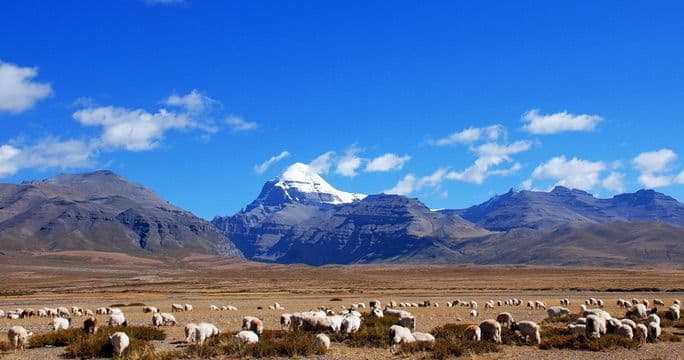
Most travel destinations try to impress you. Ngari strips everything away.
No bustling towns
No curated experiences
No visual overload
Instead, it offers vast plateaus, stark mountains, and an almost spiritual emptiness. It’s a place where less becomes more, and silence becomes the main experience.
Mount Kailash – The Axis of the World
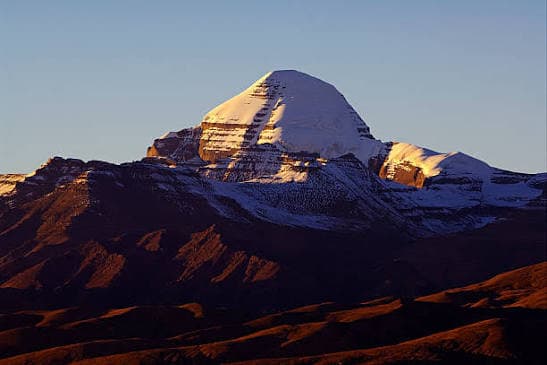
At the heart of Ngari stands Mount Kailash, one of the most sacred mountains in the world.
Revered by Hindus, Buddhists, Jains, and followers of Bon, Kailash is not climbed—it is worshipped. Pilgrims undertake the Kora, a 52-kilometer circumambulation around the mountain, believed to cleanse a lifetime of sins.
Even for non-pilgrims, the presence of Kailash is powerful. It’s not just a mountain—it’s a spiritual symbol that transcends geography.
Lake Manasarovar – Stillness in Its Purest Form
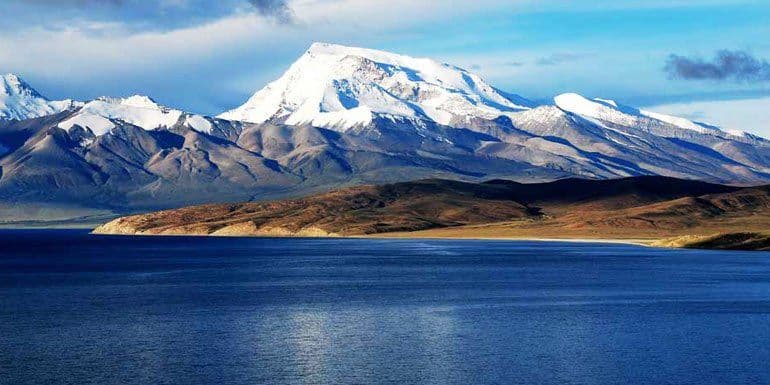
Near Kailash lies the serene Lake Manasarovar, one of the highest freshwater lakes in the world.
The water here is impossibly clear, reflecting the sky like a mirror. Pilgrims consider it sacred, believing that a dip in its waters purifies the soul.
But beyond beliefs, it’s the stillness that defines Manasarovar. The kind of stillness that feels almost sacred in itself.
Guge Kingdom – Echoes of a Lost Civilization
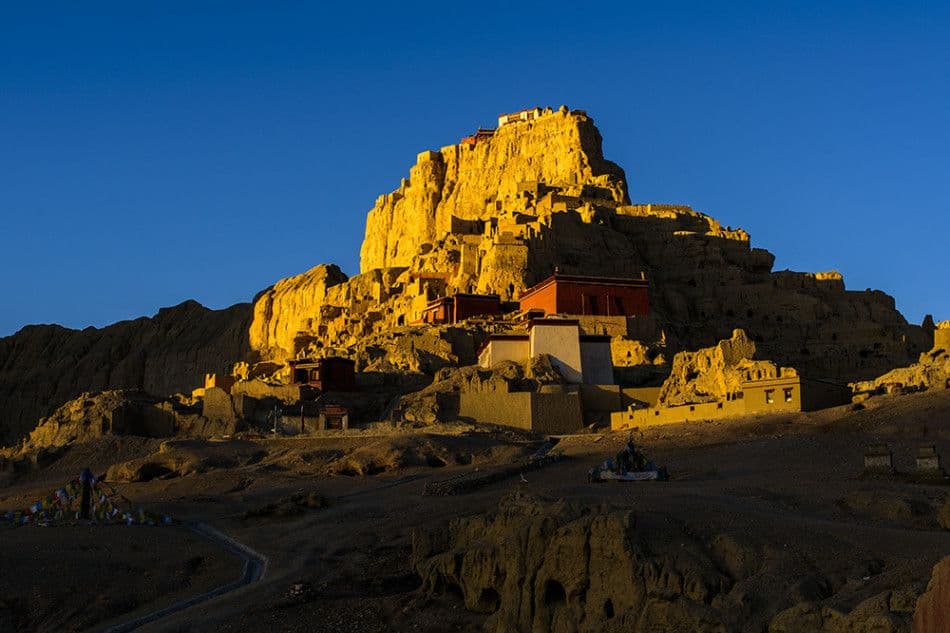
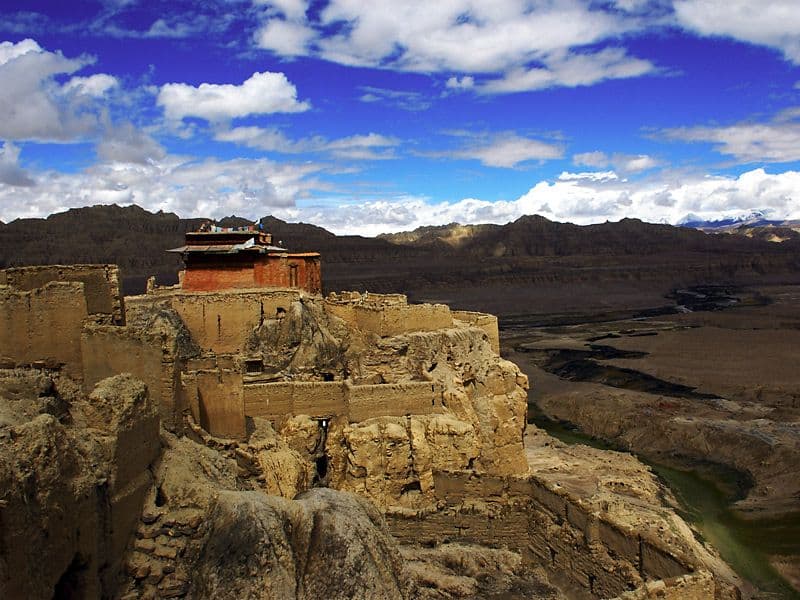
Hidden within Ngari’s barren landscape are the ruins of the ancient Guge Kingdom.
Once a thriving center of culture and Buddhism, Guge now stands as a hauntingly beautiful reminder of the past. Crumbling monasteries, caves, and murals tell stories of a civilization that vanished centuries ago.
Walking through Guge feels like stepping into history—quiet, mysterious, and deeply moving.
Experiences That Redefine Travel
Ngari doesn’t offer activities—it offers transformation.
Kailash Kora: A spiritual and physical journey around Mount Kailash
Lakeside Reflection: Time spent in silence near Lake Manasarovar
Exploration of Guge: Discover the ruins of Guge Kingdom
Endless Drives: Witness landscapes that feel untouched and infinite
Here, the experience is not what you do—but what you feel.
Best Time to Visit
May to September: Accessible weather and clearer roads
Winter (Oct–April): Extremely harsh conditions, limited travel
Important Travel Considerations
Ngari is not an easy destination:
High altitude requires proper acclimatization
Travel permits are mandatory
Infrastructure is minimal
Journeys are long and physically demanding
This is travel in its rawest form—far from comfort, close to reality.
Ideal For
Spiritual seekers and pilgrims
Extreme adventure travelers
Photographers drawn to minimalism and scale
Those seeking solitude and introspection
Why Ngari Is Not a Trip, But a Realization
Ngari doesn’t entertain—it transforms.
It takes you away from noise, comfort, and distraction, and leaves you with something far more powerful: perspective. In its vast emptiness, you begin to notice things you usually ignore—your thoughts, your pace, your presence.
This is not a place for everyone. But for those who go, Ngari offers something rare—a journey not just across land, but within.
Share this article:
About Admin
Travel enthusiast and writer sharing stories from around the world. Passionate about discovering hidden gems and cultural experiences that inspire wanderlust.