Travel
Lhasa – Where Faith Shapes the City
Admin
Author
April 18, 2026
3 min read
166 views
A City That Lives Through Faith
At over 3,600 meters above sea level, Lhasa stands as one of the highest cities in the world. But altitude isn’t what defines it—faith is.
Here, spirituality isn’t confined to temples. It flows through streets, markets, and daily routines. Prayer wheels spin in quiet corners, incense drifts through the air, and pilgrims move with purpose, tracing paths worn over centuries.
Lhasa doesn’t ask you to “see” it. It asks you to observe it slowly.
Why Lhasa Feels Different
Unlike other historic cities, Lhasa isn’t preserved—it’s alive.
Monasteries are not monuments; they are active centers of devotion
Pilgrimage routes are not attractions; they are daily rituals
Culture isn’t performed; it is practiced
This makes Lhasa less about sightseeing and more about understanding a living spiritual ecosystem.
Potala Palace – A Symbol Beyond Architecture
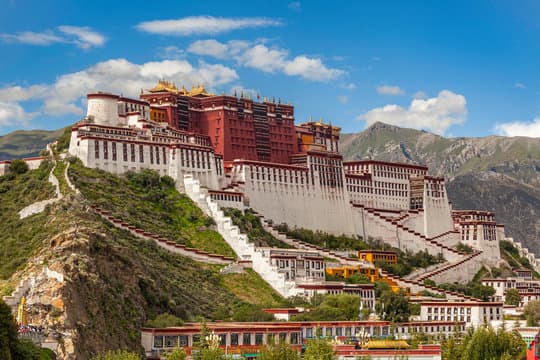
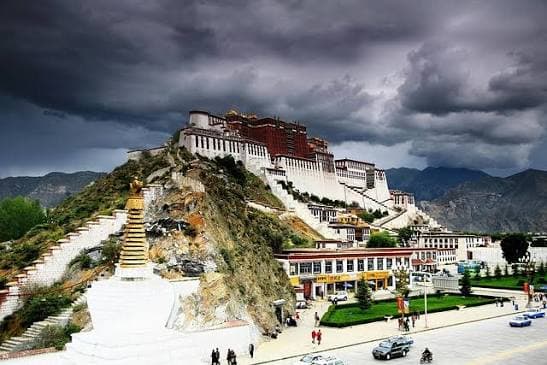
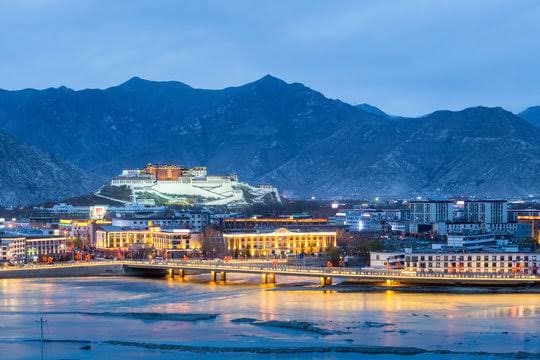
Dominating the skyline is the iconic Potala Palace, once the winter residence of the Dalai Lama.
With its towering white and red walls rising above the city, the palace feels almost unreal. But beyond its grandeur lies a deeper significance—it represents centuries of Tibetan Buddhism, governance, and identity.
Inside, you’ll find:
Intricate murals and sacred relics
Golden stupas of past Dalai Lamas
Dimly lit corridors filled with history and devotion
It’s not just a structure—it’s a symbol.
Jokhang Temple & Barkhor Street – The Heartbeat of Lhasa
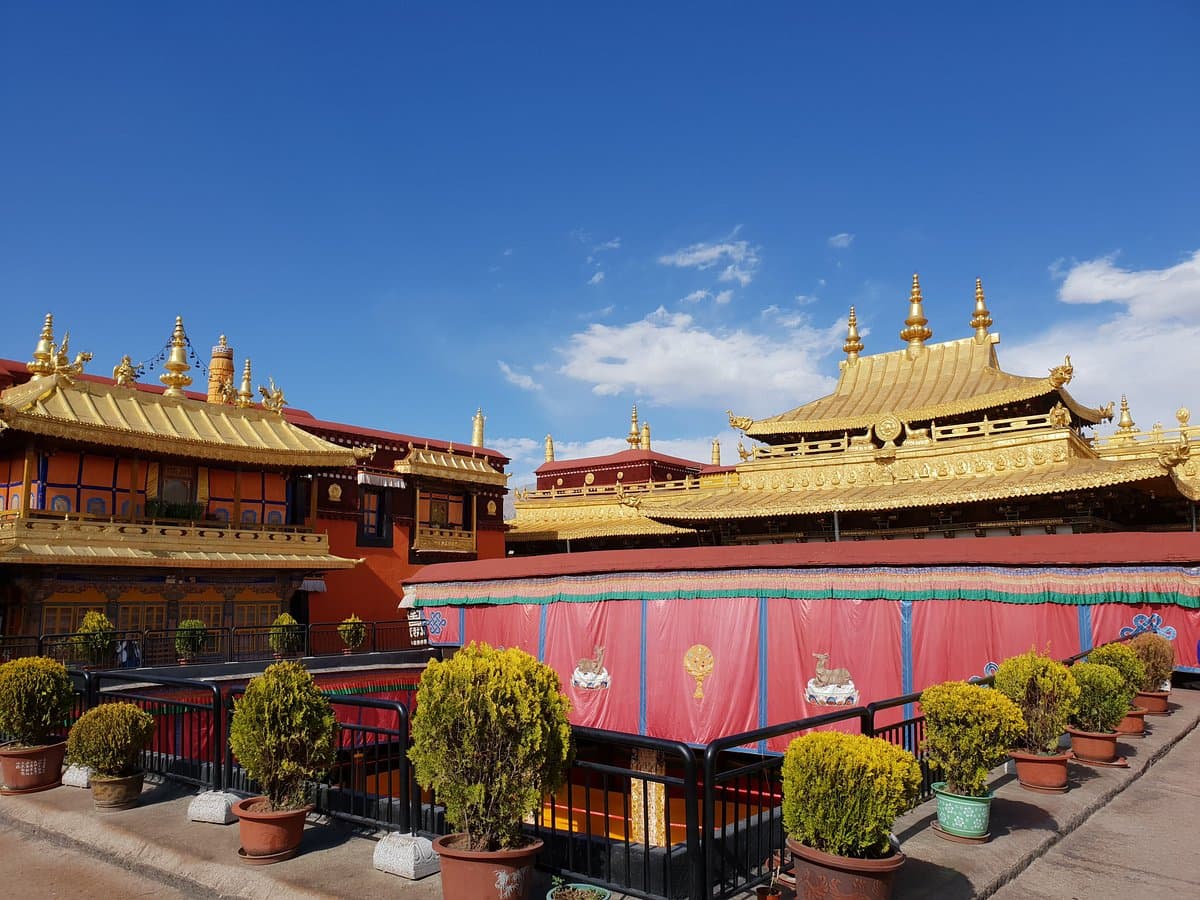
If Potala is the face of Lhasa, then Jokhang Temple is its heart.
This sacred temple draws pilgrims from across Tibet, many of whom perform full-body prostrations as they approach its entrance.
Surrounding it is Barkhor Street, a bustling circular path where:
Pilgrims walk clockwise, spinning prayer wheels
Vendors sell traditional crafts and incense
Life unfolds in a continuous, spiritual rhythm
Walking Barkhor isn’t just a stroll—it’s participation in something timeless.
Monasteries That Breathe Philosophy
Lhasa is home to some of Tibet’s most important monasteries, including Sera Monastery.
Here, monks engage in debate sessions—a dynamic practice where philosophy is explored through gestures, claps, and intense discussion. It’s intellectual, spiritual, and surprisingly energetic.
These monasteries remind you that Buddhism here is not static—it evolves through dialogue and learning.
The Rhythm of Daily Life
What makes Lhasa unforgettable isn’t just its landmarks—it’s its people.
Elderly pilgrims counting prayer beads with quiet focus
Locals gathering in courtyards, sharing stories and tea
Children playing under the shadow of ancient walls
There’s a sense of continuity here—past and present existing side by side.
Best Time to Visit
April to June: Pleasant weather and clear skies
September to October: Ideal conditions with fewer crowds
Winter (Nov–Feb): Cold but culturally rich, with fewer tourists
Important Travel Considerations
High altitude requires gradual acclimatization
Special permits are needed to visit Tibet
Respect local customs, especially in religious spaces
Photography may be restricted in certain areas
Travel here isn’t casual—it’s conscious.
Ideal For
Cultural and spiritual travelers
History enthusiasts
Photographers capturing human stories
Travelers seeking depth over luxury
Why Lhasa Stays With You
Lhasa doesn’t overwhelm—it resonates.
It’s a place where faith is visible, tangible, and deeply woven into everyday life. You don’t leave with just photos—you leave with a quieter mind, a slower pace, and a different perspective.
In a world that moves fast, Lhasa reminds you that some journeys are meant to be felt, not rushed.
Share this article:
About Admin
Travel enthusiast and writer sharing stories from around the world. Passionate about discovering hidden gems and cultural experiences that inspire wanderlust.