Travel
Lamu Old Town, Kenya
Admin
Author
November 28, 2026
3 min read
3 views
Lamu Old Town is situated on Lamu Island, part of Kenya’s Lamu Archipelago. Its history is closely connected to the Indian Ocean trade networks that linked the East African coast with the Arabian Peninsula, Persia, India and other parts of the world.
For centuries, merchants, sailors and travellers moved through this coastline, bringing goods, religious traditions, languages and architectural influences. These encounters contributed to the development of Swahili culture, a distinctive coastal identity shaped by African foundations and centuries of overseas interaction.
Today, Lamu is recognised as one of the best-preserved Swahili settlements in East Africa. Its historic buildings and urban layout offer an opportunity to understand how maritime trade shaped not only commerce but also the architecture, social life and cultural identity of coastal communities.
An Urban Landscape Built Around Narrow Streets
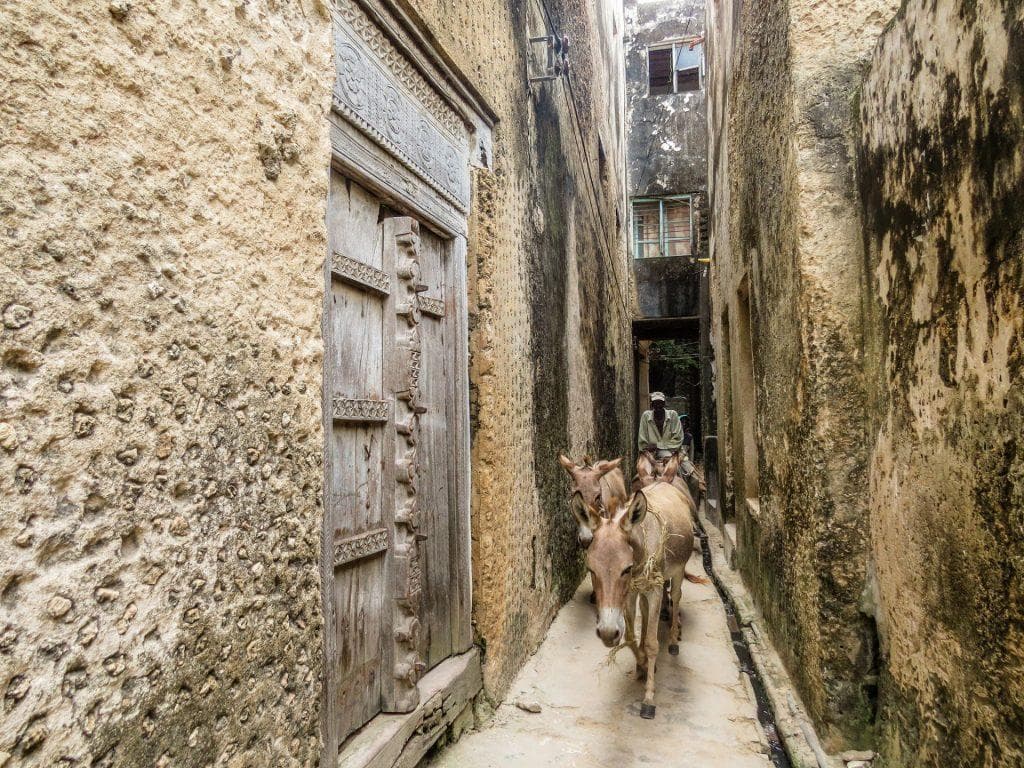
Unlike many modern towns, Lamu Old Town developed around a compact network of narrow, winding streets and small open spaces. Its urban layout reflects a settlement designed around pedestrian movement, local social interaction and the practical demands of a warm coastal climate.
The streets are lined with closely spaced houses constructed largely from coral stone and lime mortar. Their thick walls help moderate indoor temperatures, while shaded passages provide relief from the tropical sun. The absence of extensive modern road infrastructure has also helped preserve much of the town's traditional character.
These streets are not simply remnants of an earlier period. They remain part of everyday life, connecting homes, mosques, shops and public spaces.
The Craftsmanship Behind Swahili Doors
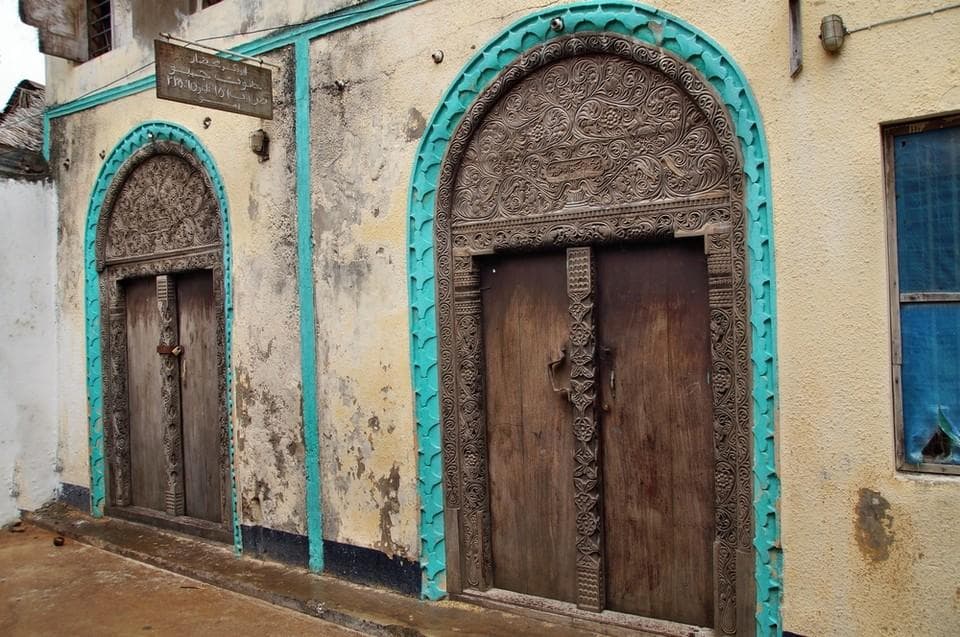
One of Lamu's most distinctive architectural features is its elaborately carved wooden doorways. Often made from hardwood, these entrances display geometric patterns, floral motifs and decorative brass studs that reflect the craftsmanship associated with Swahili coastal architecture.
The doors were traditionally more than decorative elements. Their size, materials and ornamentation could communicate the status and identity of a household. Their designs also reveal the exchange of artistic influences across the Indian Ocean, particularly through connections with Arab and Indian craftsmanship.
Today, these doorways remain among the most recognisable features of Lamu's built heritage, preserving a tradition of woodworking that connects architectural design with local identity.
A Heritage of Indian Ocean Exchange

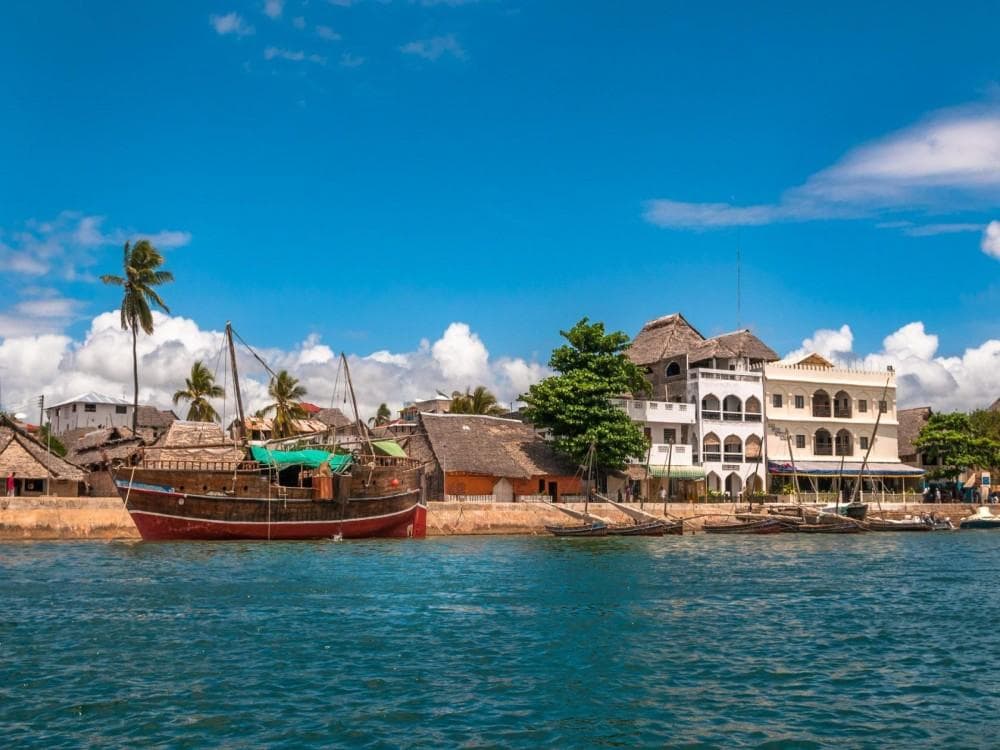
Lamu's development cannot be separated from the maritime networks of the Indian Ocean. For generations, traditional sailing vessels known as dhows connected the East African coastline with trading ports across Arabia, Persia and the Indian subcontinent.
Merchants exchanged goods such as ivory, mangrove poles, spices and textiles, while the movement of people encouraged the exchange of languages, religious practices and artistic traditions. These interactions contributed to the evolution of Swahili culture, which remains central to the region's identity.
The harbour and surrounding coastline still preserve a strong relationship with maritime life. Traditional dhow sailing, fishing and boat craftsmanship continue to form part of the cultural landscape.
Maulidi and the Living Swahili Tradition
Lamu's cultural identity is closely connected to its Islamic heritage. Since the 19th century, the town has been an important centre for Islamic learning in East and Central Africa, attracting religious scholars and visitors from different parts of the region.
One of its most significant cultural events is the annual Maulidi festival, which commemorates the birth of Prophet Muhammad. The celebrations bring together religious gatherings, devotional performances and community participation. Alongside this, the Lamu Cultural Festival highlights local traditions through dhow races, poetry, music, traditional games and craftsmanship.
These celebrations demonstrate that Lamu's heritage is not confined to its historic buildings. It continues through the customs, beliefs and collective practices of the people who inhabit the town.
Lamu Old Town offers a glimpse into a maritime world where African, Arab, Persian and Indian influences developed into a distinctive Swahili cultural identity. Its coral-stone houses, carved doorways, winding streets and religious traditions tell a story that extends far beyond its coastline.
Recognised as a UNESCO World Heritage Site in 2001, Lamu remains an important example of living cultural heritage. Its significance lies not only in what has survived from the past, but also in the traditions that continue to shape everyday life.
Share this article:
About Admin
Travel enthusiast and writer sharing stories from around the world. Passionate about discovering hidden gems and cultural experiences that inspire wanderlust.