Travel
KNUCKLES MOUNTAIN RANGE: WHERE THE MOUNTAINS DISAPPEAR INTO MIST
Admin
Author
November 26, 2026
3 min read
5 views
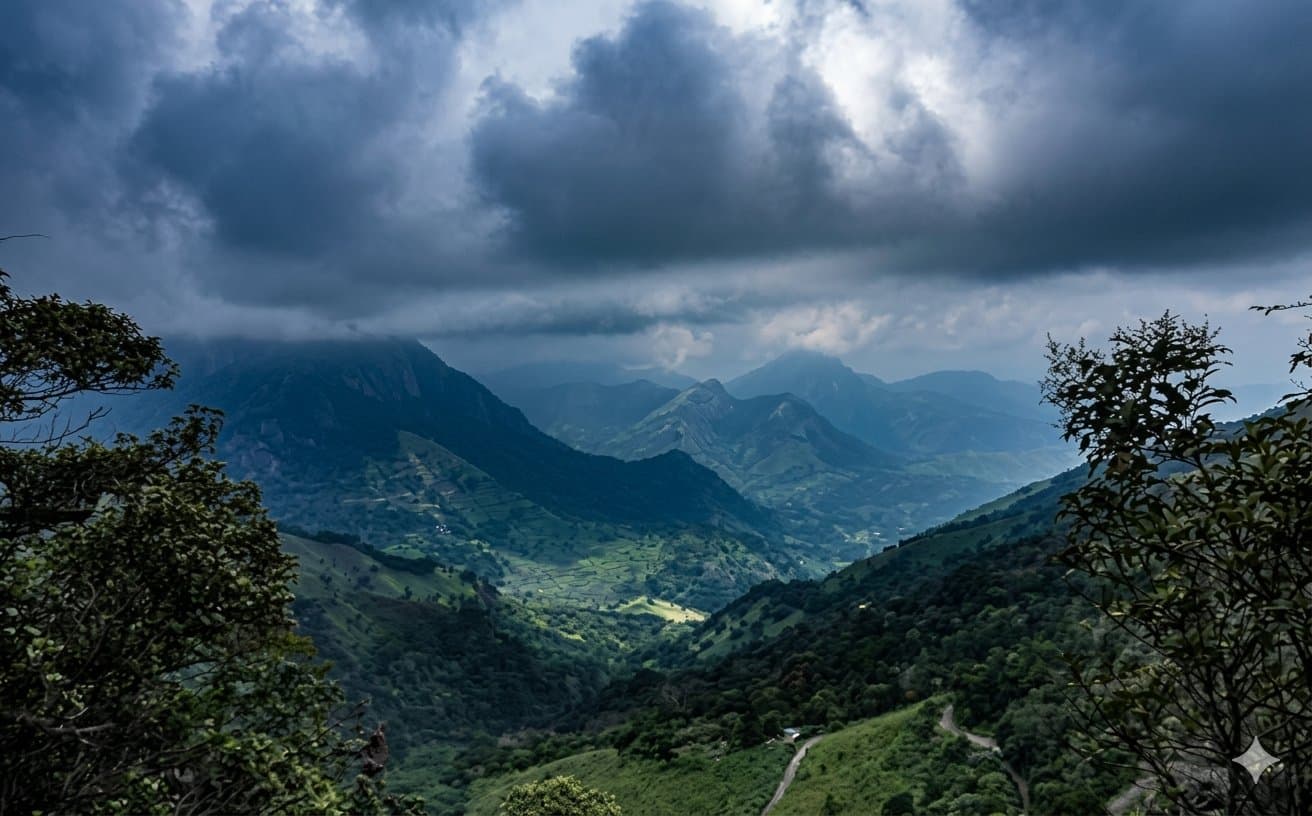
Located in the Central Province of Sri Lanka, the Knuckles Mountain Range forms part of the island's central highlands. Its name comes from the unusual arrangement of mountain peaks that resemble the knuckles of a clenched fist when viewed from certain directions. Local communities traditionally call the region Dumbara Kanduvetiya, reflecting the mist that frequently settles across its high ridges.
The range extends across the Kandy and Matale districts, with elevations rising from lower forested slopes to peaks approaching 1,900 metres. Its landscape is remarkably varied, shifting between dense tropical forests, montane grasslands, rocky ridges and deep valleys.
The Knuckles Conservation Forest is one of three protected areas that together form the UNESCO-listed Central Highlands of Sri Lanka, inscribed in 2010. The other two components are Horton Plains National Park and Peak Wilderness Protected Area. This recognition reflects the exceptional ecological importance of the highlands and the many species found nowhere else in the world.
THE MOUNTAINS THAT WEAR THE MIST
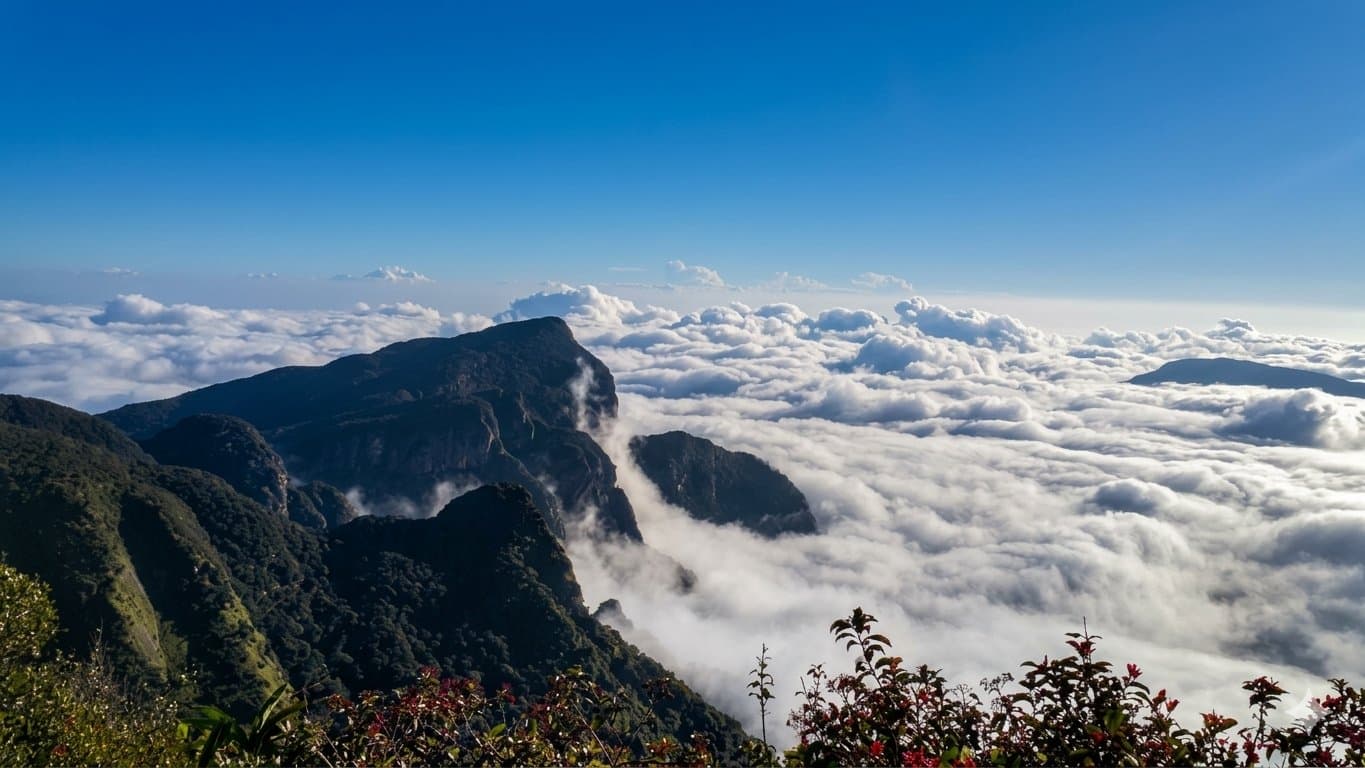
The Knuckles landscape is defined by its changing elevations and distinctive mountain formations. Its ridges rise above deep valleys, while clouds frequently gather around the higher slopes, creating the mist-covered appearance that gives the region its traditional name.
One of its most important ecological features is the variety of forest habitats found across different elevations. Lower slopes support tropical and submontane forests, while higher elevations contain montane cloud forests and open grasslands known locally as patana. These habitats create a landscape that changes considerably as the terrain rises.
The range is also an important watershed for central Sri Lanka. Its forests help regulate the flow of water into streams and rivers that support surrounding settlements and agricultural landscapes. The vegetation also helps protect mountain soils and maintain the ecological balance of the region.
From forest-covered valleys to exposed mountain ridges, the Knuckles range reveals how closely its natural systems are connected. Its forests are not simply a scenic feature; they are an essential part of the island's freshwater and ecological landscape.
A REFUGE OF RARE LIFE
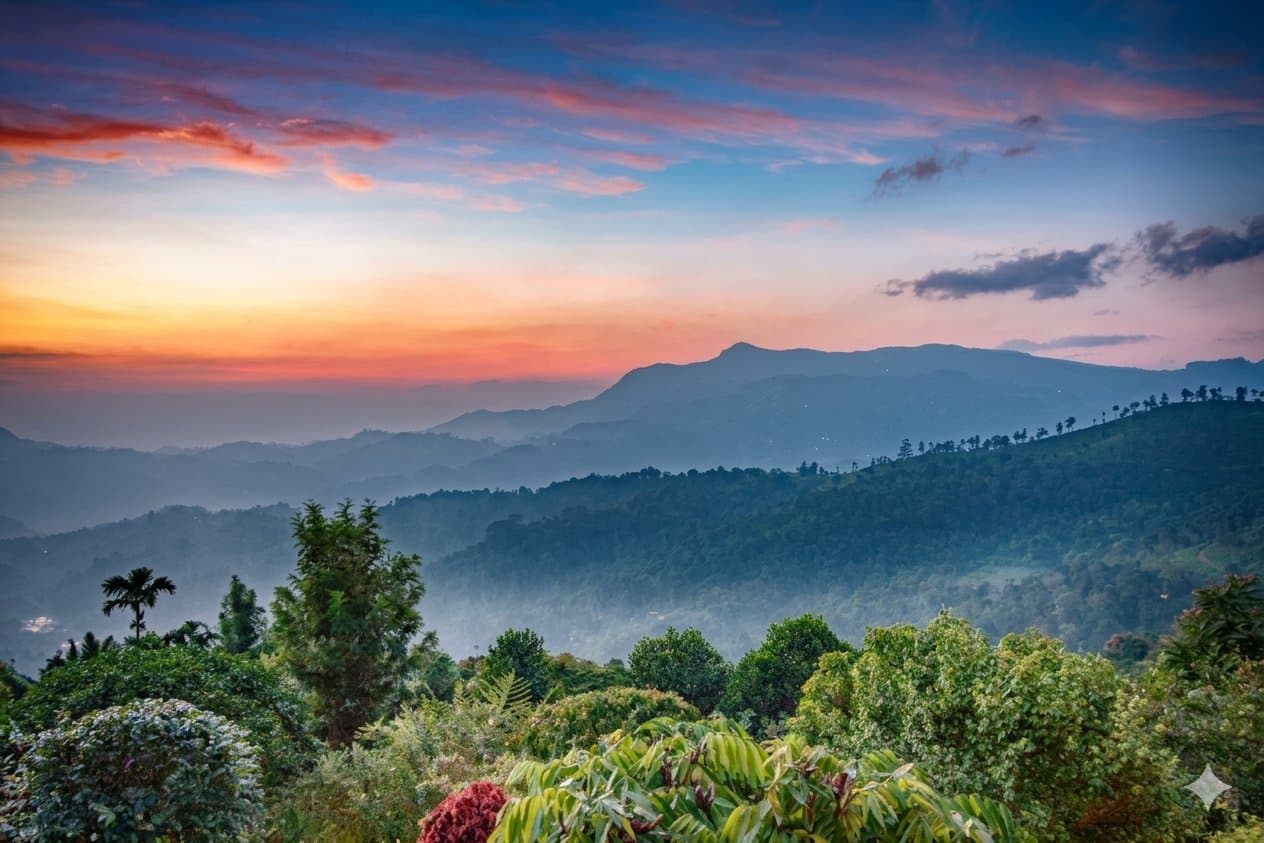
The Knuckles Conservation Forest is recognised for its exceptional biodiversity and high levels of endemism. Its different elevations and habitats provide shelter to a wide range of plants, mammals, birds, reptiles and amphibians, including species that occur only in Sri Lanka.
Among the wildlife recorded in the region are the Sri Lankan leopard, sambar deer, purple-faced langur and several endemic bird species. Its forests also support a remarkable variety of amphibians and reptiles, some of which have highly restricted natural ranges.
The plant life is equally distinctive. Cloud forests contain rare native trees, ferns, orchids and other vegetation adapted to cool, moist mountain conditions. At higher elevations, specialised plant communities survive in the exposed grasslands and mist-covered slopes.
In 2010, the Knuckles Conservation Forest became part of the Central Highlands of Sri Lanka UNESCO World Heritage inscription. Its recognition reflects the importance of protecting these habitats and the species that depend on them. Conservation remains essential as forest degradation, invasive plants, encroachment and poorly managed tourism place pressure on parts of the landscape.
VILLAGES BETWEEN FOREST AND MOUNTAIN
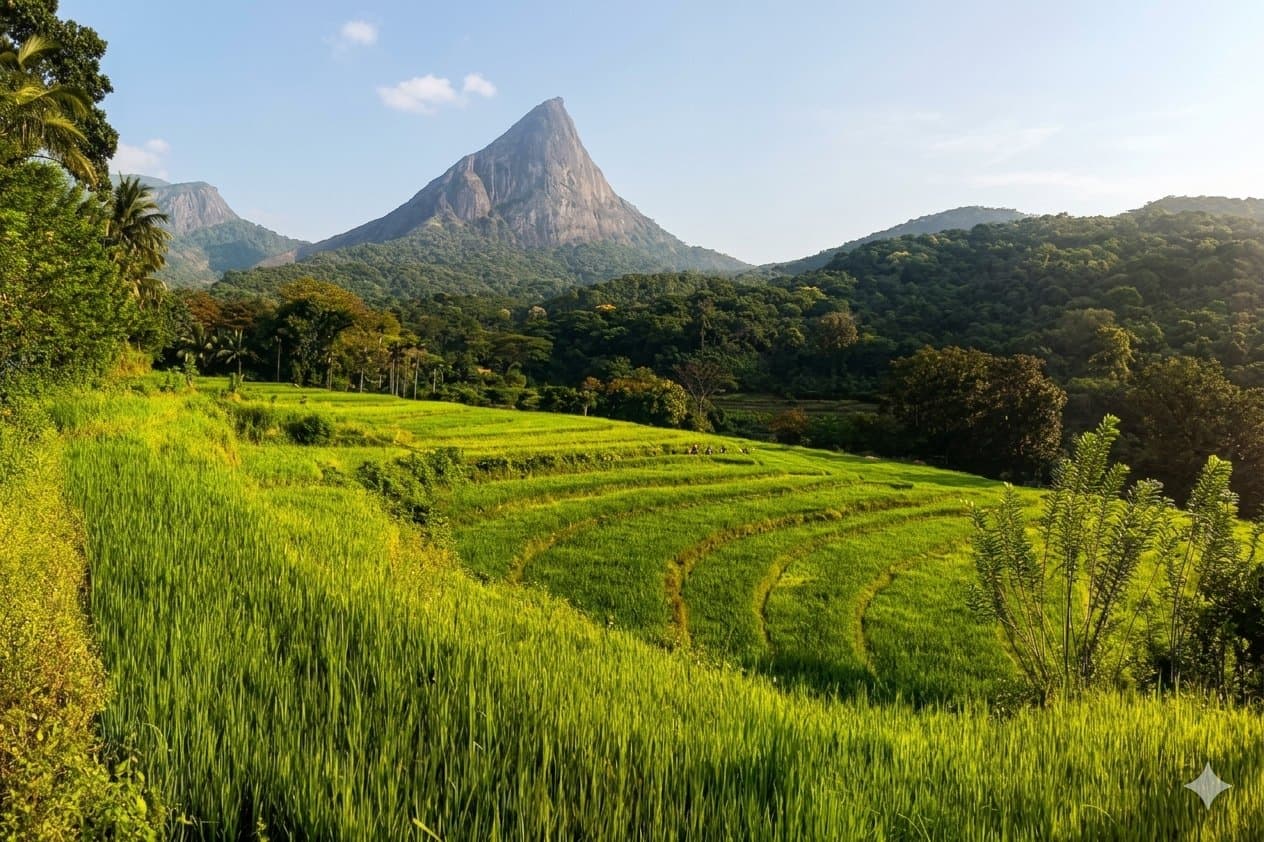
The Knuckles landscape is not made up of wilderness alone. Small settlements and traditional agricultural communities exist around its forest boundaries, creating a cultural landscape closely connected to the surrounding environment.
Villages such as Meemure are among the best-known settlements associated with the wider mountain region. Located in a remote valley, Meemure is recognised for its rural setting, traditional homes and agricultural way of life. The surrounding communities have long depended on the land for cultivation and other local livelihoods.
Agricultural practices in the wider Knuckles region include paddy cultivation, home gardens and the growing of crops such as cardamom in suitable areas. These activities reflect generations of knowledge about working with the region's terrain, rainfall and seasonal conditions.
The relationship between communities and forests is an important part of the area's identity. Local livelihoods, traditional knowledge and conservation are closely connected, making community participation essential to protecting the landscape. Responsible tourism can support local services and livelihoods, provided that it respects village life and does not place unnecessary pressure on fragile mountain ecosystems.
The Knuckles Mountain Range is a place where nature reveals itself through layers of mist, forest-covered slopes and distant mountain ridges. Its remarkable biodiversity and important water systems make it one of Sri Lanka's most significant ecological landscapes.
Yet its story extends beyond the natural world. The surrounding villages, agricultural traditions and local knowledge reveal how communities have remained connected to this mountain environment over generations.
To understand Knuckles is to recognise that its forests and people are part of the same living landscape. Preserving its ecological richness requires more than protecting its peaks; it also means respecting local communities, safeguarding water sources and ensuring that tourism develops responsibly.
Share this article:
About Admin
Travel enthusiast and writer sharing stories from around the world. Passionate about discovering hidden gems and cultural experiences that inspire wanderlust.