Travel
Khiva, Uzbekistan — An Oasis of Memory
Admin
Author
November 28, 2026
3 min read
3 views
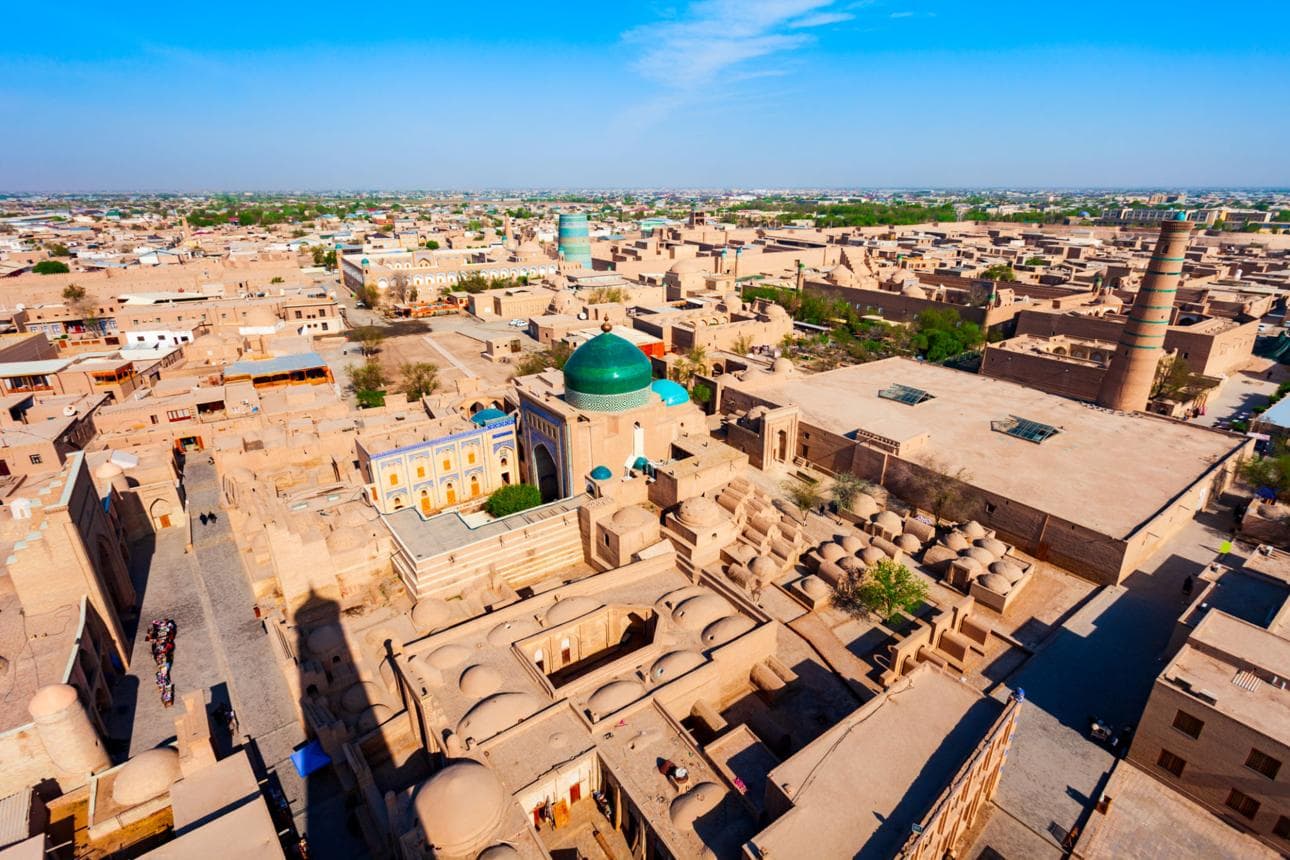
In western Uzbekistan, near the lower reaches of the Amu Darya River, Khiva emerged as an oasis settlement in the historic region of Khorezm. Its location made it an important stopping point for caravans travelling across the deserts of Central Asia. Traders, craftspeople and travellers passed through its markets, bringing with them goods, ideas and cultural influences.
The city’s historic heart is Itchan Kala, meaning the inner fortress. Enclosed by imposing brick walls, it preserves a distinctive urban landscape of mosques, madrasas, mausoleums, markets and traditional houses. Recognised as a UNESCO World Heritage Site in 1990, Itchan Kala is valued not simply for its individual monuments but for the way its buildings and streets form a coherent historic town.
Within the Ancient Fortifications
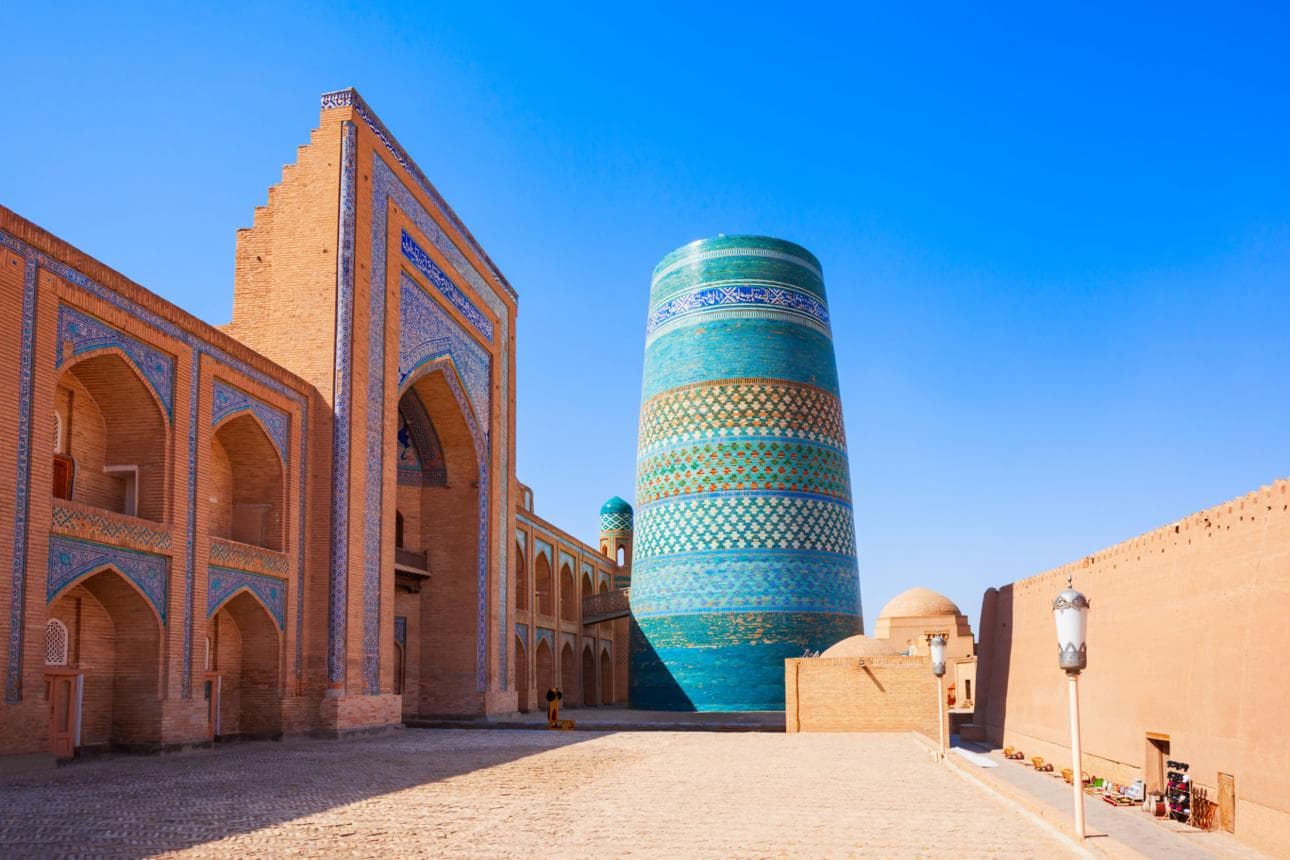
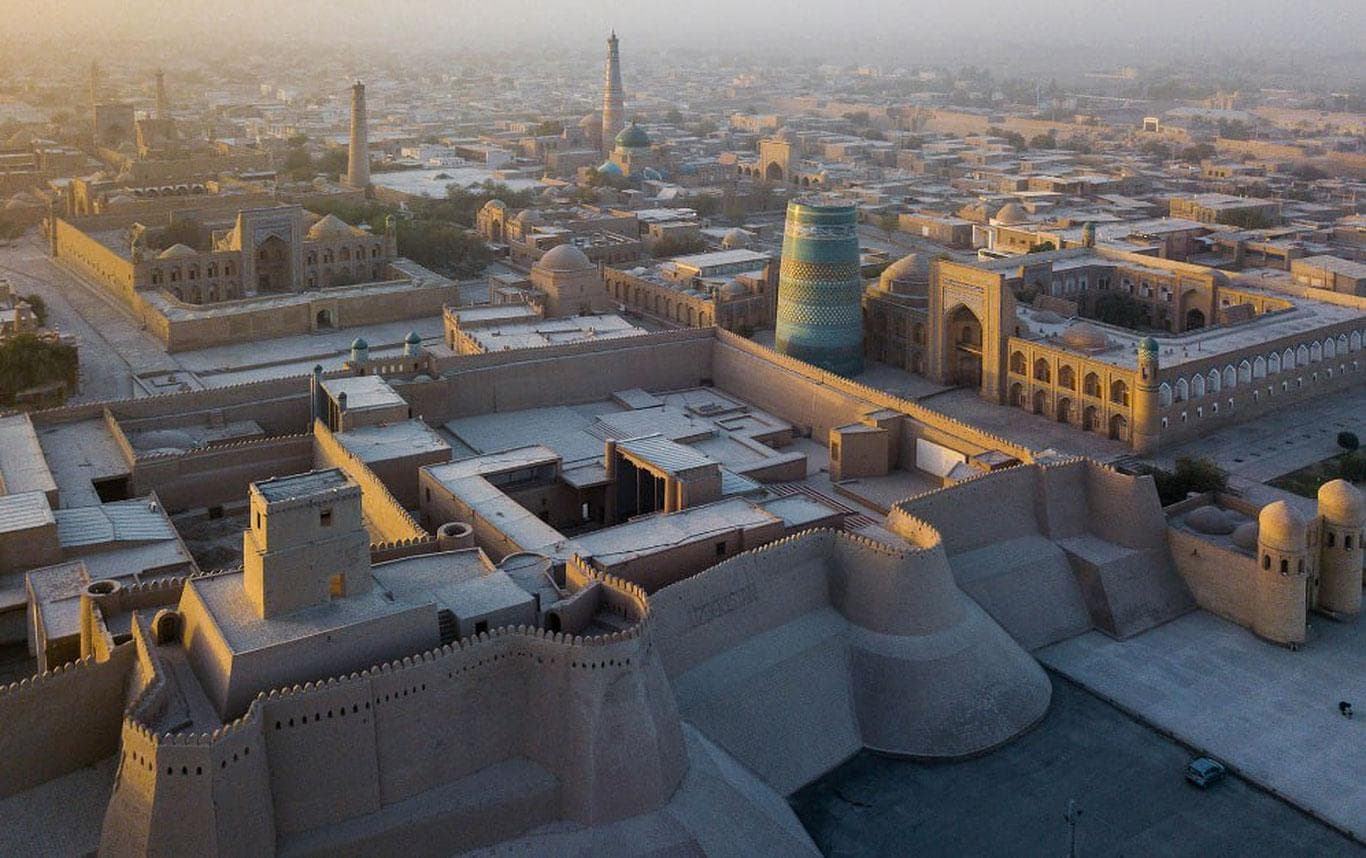
Itchan Kala occupies a compact, rectangular area surrounded by high defensive walls. Its gates once controlled movement into the inner town, where merchants and caravans found shelter before continuing across the desert. The historic settlement contains an extraordinary concentration of monuments alongside traditional residential buildings, allowing visitors to understand how a Central Asian town functioned beyond its grand public structures. The walls are not merely a dramatic backdrop; they define the historic shape of the city.
Blue Tiles and Sacred Spaces
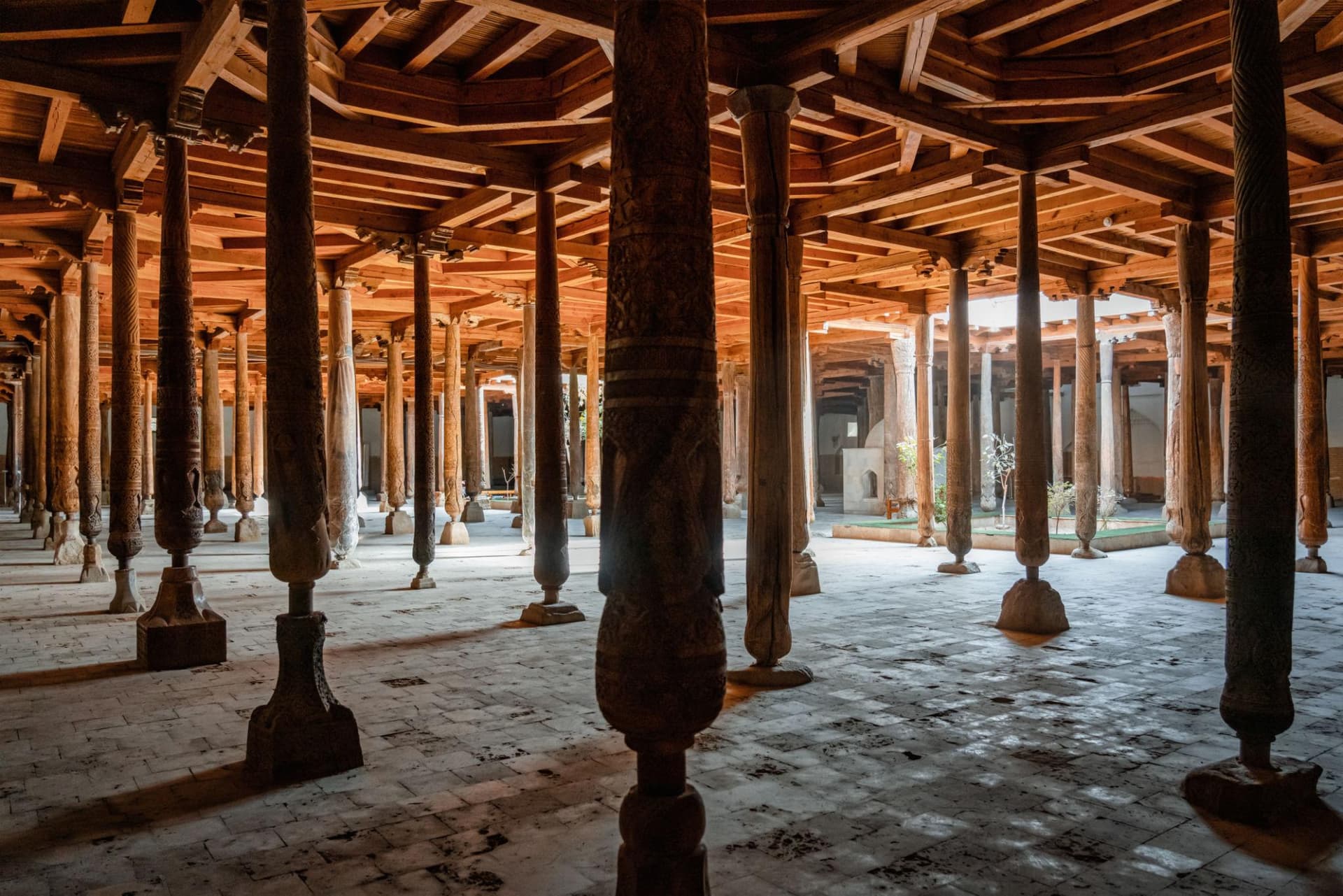
Khiva’s skyline is marked by minarets, domes and richly decorated facades. The unfinished Kalta Minor minaret is particularly recognisable for its broad form and turquoise tilework, while the Islam Khoja Minaret rises above the surrounding rooftops. Inside the Juma Mosque, a forest of 212 carved wooden columns supports its roof. Their varied designs and ages give the building an unusual architectural character, distinct from the monumental courtyards of many other mosques in the region.
The Living Fabric of Khorezm
The heritage of Itchan Kala extends into its domestic architecture. Traditional houses were organised around enclosed courtyards, with reception spaces and shaded verandas supported by carved wooden posts. These spaces reveal how people adapted their homes to the region’s climate and social customs. Madrasas, caravanserais and marketplaces also formed part of the city's everyday life, connecting learning, commerce and community within the same urban landscape. Khiva’s significance lies in this relationship between monumental architecture and ordinary streets.
Khiva offers more than a collection of striking historic buildings. Its inner city preserves the relationship between architecture, trade, climate and everyday life in the Khorezm region. As conservation continues, the challenge is to protect not only its famous monuments but also the traditional urban fabric that gives Itchan Kala its character. Behind its ancient walls, Khiva remains a remarkable record of how a desert oasis grew into a historic city.
Share this article:
About Admin
Travel enthusiast and writer sharing stories from around the world. Passionate about discovering hidden gems and cultural experiences that inspire wanderlust.