Travel
Jawai, Rajasthan: Where Leopards Share the Hills
Admin
Author
November 27, 2026
3 min read
2 views
Far from the familiar image of Rajasthan's desert forts and royal cities lies Jawai, a semi-arid landscape shaped by rocky outcrops, open scrublands and scattered settlements. Located in Pali district, the region is centred around Jawai Dam, a major water reservoir in western Rajasthan. Its granite hills and natural caves create shelter for wildlife, while the surrounding villages remain closely connected to pastoral life.
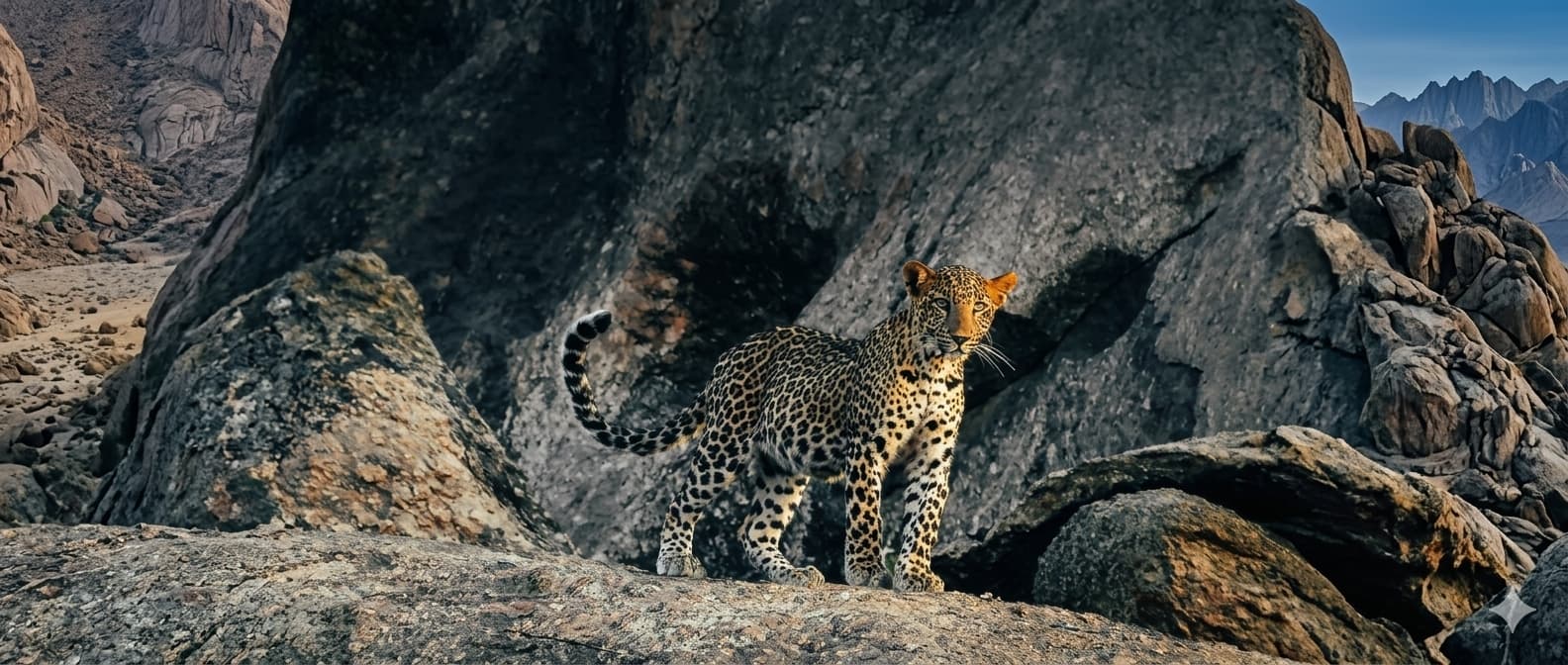
What makes Jawai distinctive is the presence of leopards in a landscape shared with people. Unlike many celebrated wildlife destinations where animals are largely confined to extensive forest reserves, Jawai's leopards use rocky habitats that exist alongside villages and grazing grounds. This relationship has made the region an important example of human–wildlife coexistence, while also raising questions about how tourism and development should be managed.
The Granite Hills: A Landscape Shaped by Stone
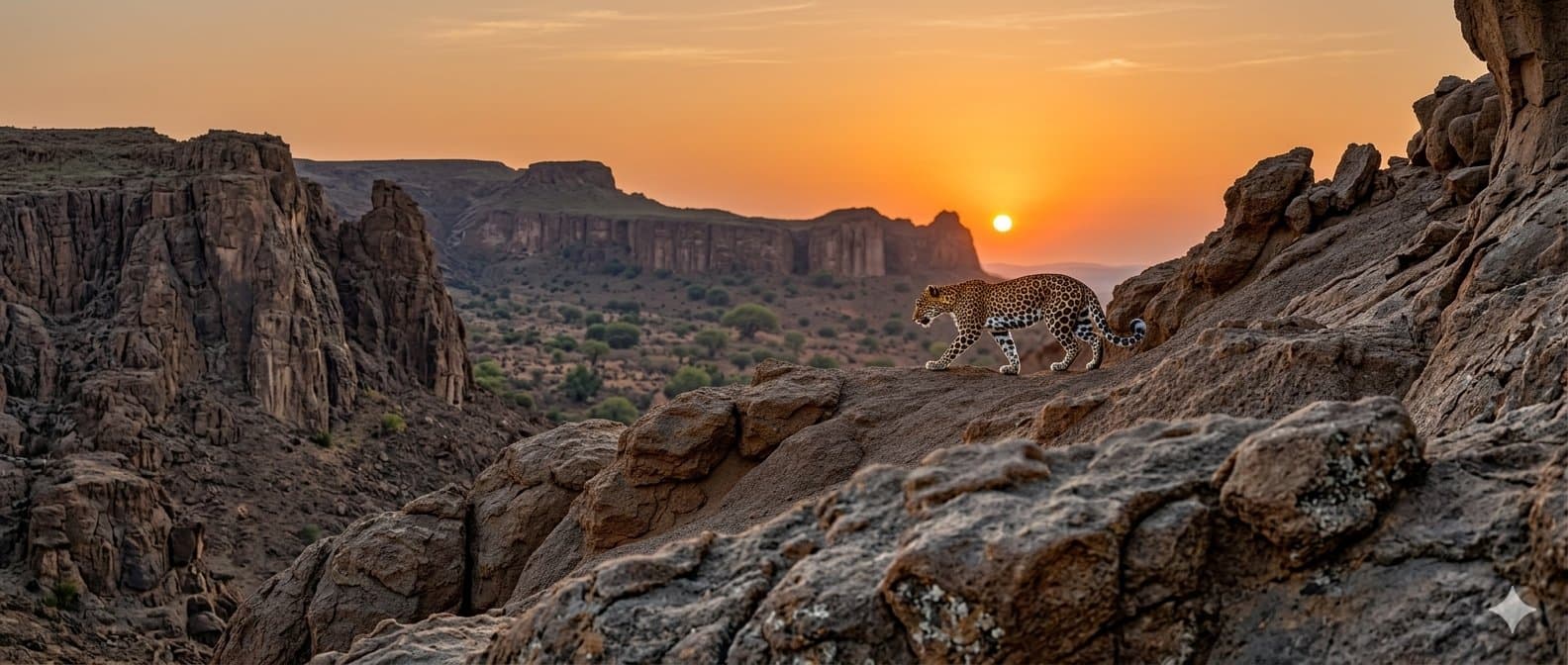
Jawai's landscape is defined by enormous granite formations, weathered boulders, rocky ridges and natural caves. These formations provide shelter and resting places for leopards, allowing them to inhabit an environment that may appear exposed and dry at first glance. The surrounding vegetation includes thorn scrub, dry deciduous patches and grasslands adapted to the region's semi-arid climate.
The rocky terrain also supports a wider range of wildlife. Species reported from the region include Indian leopard, striped hyena, Indian wolf, sloth bear, nilgai and chinkara. Reptiles and diverse birdlife add to the ecological character of the area. The nearby Jawai reservoir creates an important contrast to the dry hills, attracting waterbirds and supporting aquatic habitats.
Together, the hills, scrublands and wetlands form a connected landscape. Its ecological importance lies not in dense forest cover, but in the variety of habitats that sustain wildlife across an otherwise dry region.
Leopards and the Rabari: A Shared Landscape
Jawai is particularly known for the relationship between its leopards and the local Rabari pastoral community. Traditionally associated with livestock herding, Rabari families have long lived among the rocky hills and open grazing landscapes used by wildlife. Their presence is an important part of Jawai's identity, making the region more than simply a destination for leopard sightings.
Research conducted by the Wildlife Institute of India examined leopard ecology and local perceptions in the Jawai landscape. The study highlighted how leopards persist in a human-dominated environment, with rocky terrain, prey availability and people's attitudes all influencing this relationship. It also documented the economic challenges local residents face, including livestock losses.
The relationship should not be romanticised as effortless coexistence. It involves everyday adjustments, traditional knowledge, tolerance and real costs for communities. Understanding Jawai therefore requires looking beyond the leopard itself and recognising the people who share its habitat.
Jawai Dam and Its Living Ecosystem
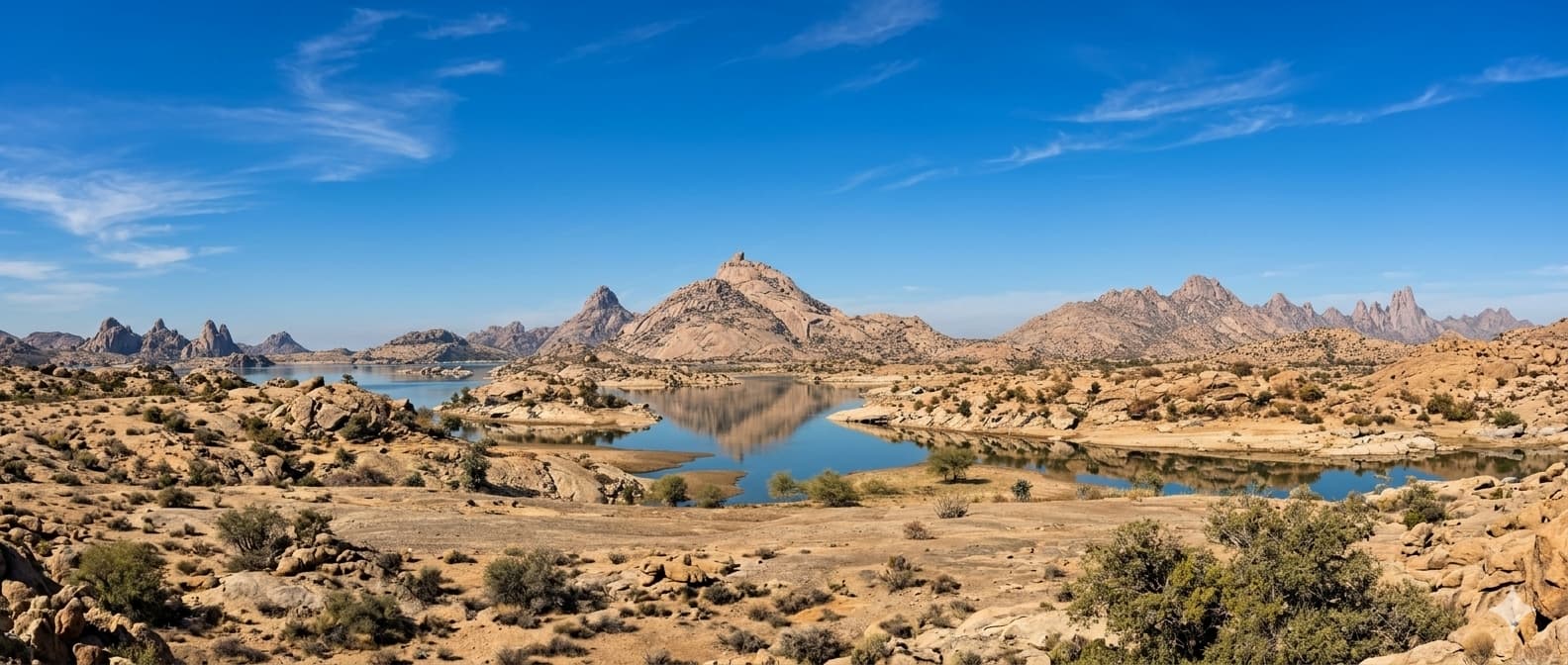
At the heart of this landscape lies Jawai Dam, built across the Jawai River. The reservoir is an important water source for the surrounding region and has shaped the ecological and human geography of the area. Its broad waters stand in striking contrast to the dry granite hills, creating a landscape where rocky terrain, scrub vegetation and wetlands exist side by side.
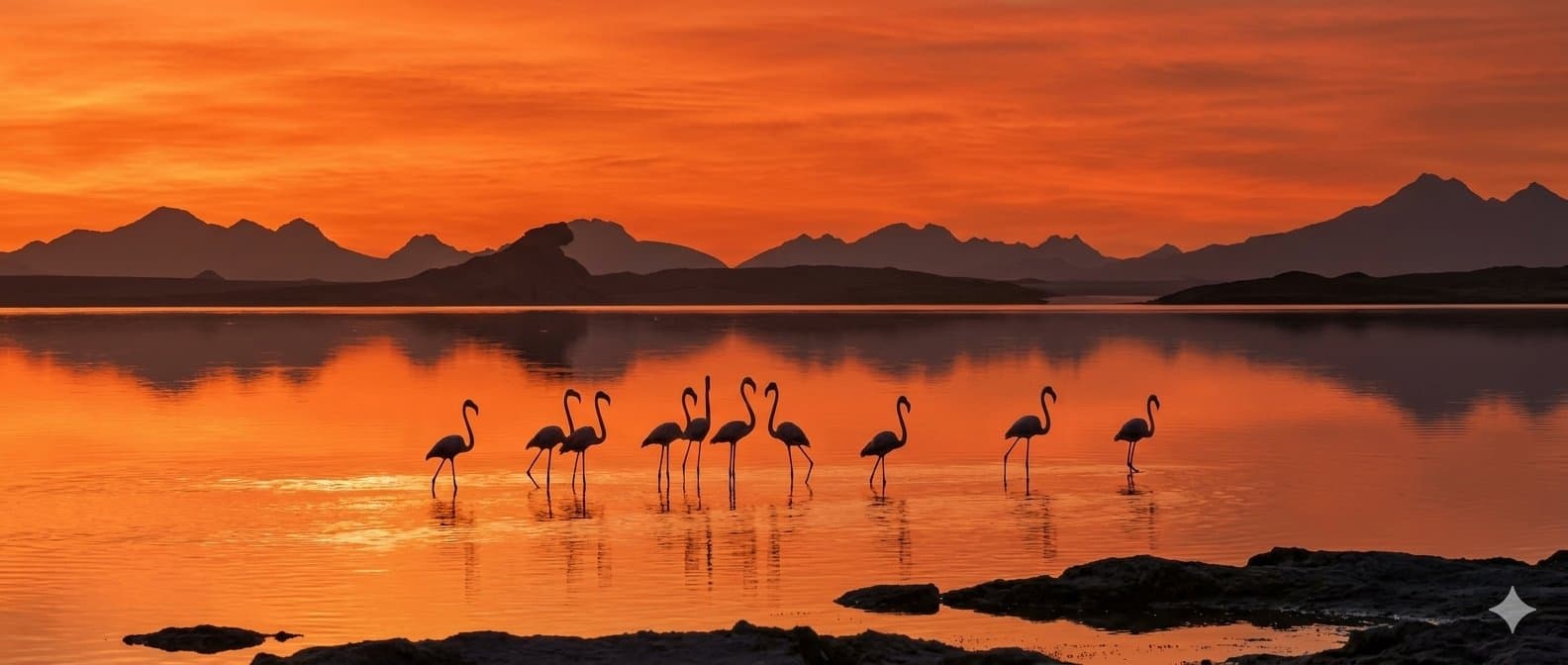
The reservoir and its surrounding wetlands attract resident and migratory birds, particularly during the cooler months. Depending on the season and conditions, visitors may encounter waterbirds such as cormorants, herons, egrets and other wetland species. The area also supports reptiles, including crocodiles, which are associated with the reservoir environment.
Jawai's appeal comes from this meeting of different habitats rather than from a single wildlife attraction. The dam, hills and village landscapes form an interconnected ecological setting, reminding visitors that water bodies and dryland ecosystems are equally important to the region's biodiversity.
Jawai is often introduced through its leopards, but its story extends far beyond wildlife encounters. It is a landscape of granite hills, pastoral traditions, wetlands and villages, where the relationship between people and nature continues to evolve.
As tourism grows, protecting this balance becomes increasingly important. Responsible wildlife viewing, respect for local communities, careful management of tourism infrastructure and protection of natural habitats are essential to the region's future. Jawai's greatest significance may lie not simply in the possibility of seeing a leopard, but in understanding how wildlife and human life can occupy the same landscape—and why that relationship deserves to be protected.
Share this article:
About Admin
Travel enthusiast and writer sharing stories from around the world. Passionate about discovering hidden gems and cultural experiences that inspire wanderlust.