Tips & Guides
India’s Four Biodiversity Hotspots
Admin
Author
November 27, 2026
3 min read
1 views
India occupies only about 2.4% of the world's land area but is home to nearly 7–8% of its recorded species. Its varied geography, climate and geological history have created habitats ranging from snow-covered mountains and tropical rainforests to wetlands, grasslands and coastal ecosystems. This ecological diversity makes India one of the world's megadiverse countries.
Among its most significant natural treasures are four globally recognised biodiversity hotspots: the Himalaya, Indo-Burma, Western Ghats–Sri Lanka and Sundaland. These regions cross national boundaries, but each has a distinct ecological identity within India. Their importance lies not simply in the number of species they support, but also in the plants and animals that exist nowhere else on Earth.
The Himalaya: Life Along the High Mountains
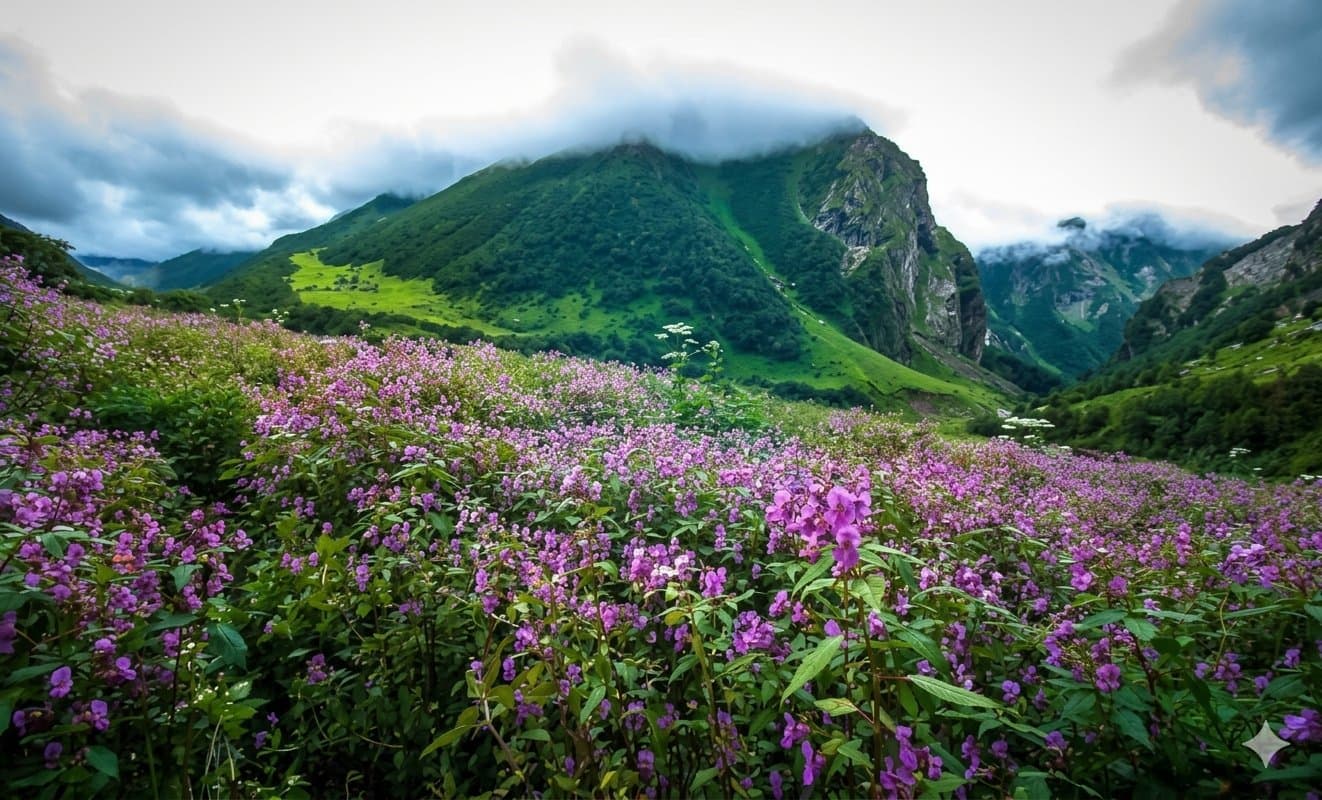
The Himalayan biodiversity hotspot extends across a vast mountain system, with its Indian territory covering parts of Jammu and Kashmir, Himachal Pradesh, Uttarakhand, West Bengal, Sikkim and Arunachal Pradesh. Its dramatic changes in elevation and climate create a succession of habitats, from subtropical forests and river valleys to temperate woodlands, alpine meadows and high-altitude landscapes.
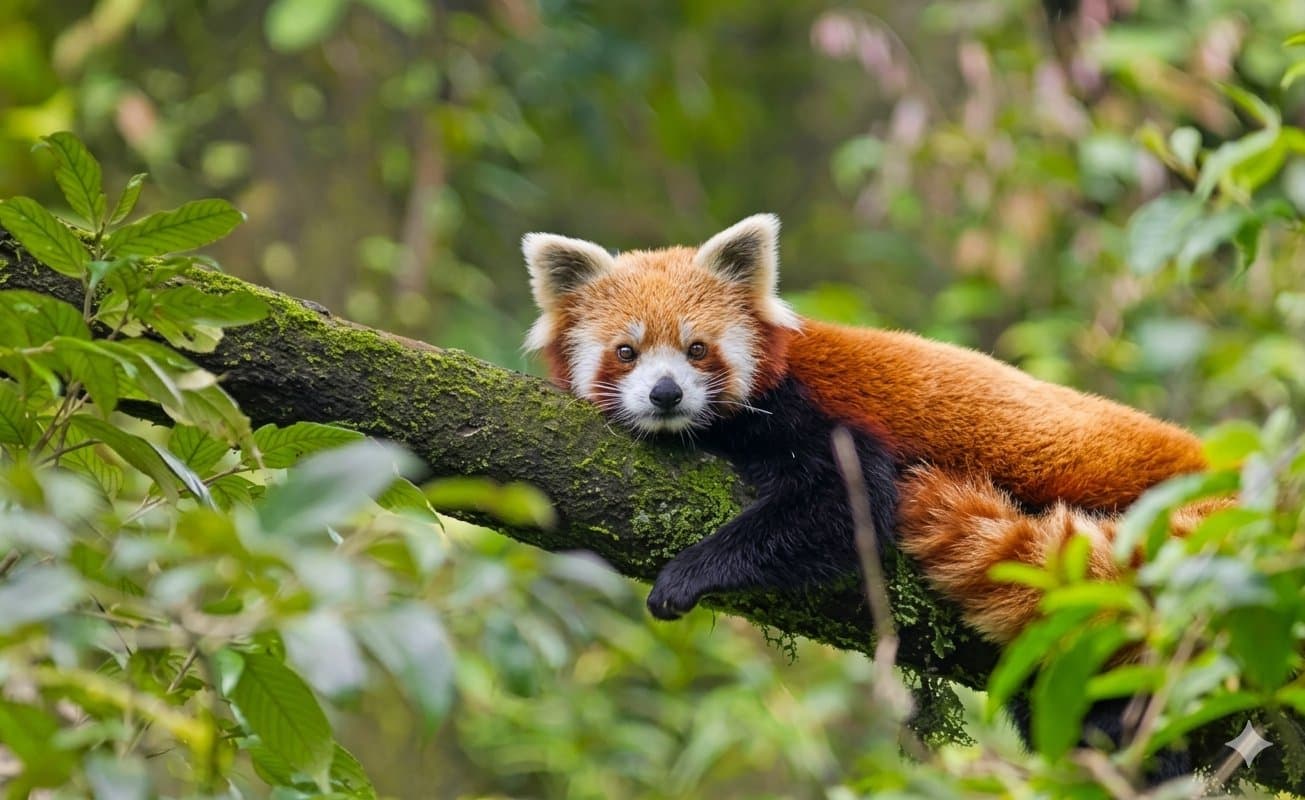
The region supports an extraordinary variety of plant life, including rhododendrons, orchids, medicinal herbs and conifers. Its wildlife includes the snow leopard, red panda, Himalayan musk deer and several pheasant species. Many plants and animals have evolved to survive in specialised mountain environments, making the region particularly important for endemic biodiversity.
Beyond its wildlife, the Himalaya plays a vital role in sustaining rivers, regulating regional climates and supporting communities whose livelihoods are closely connected to forests, pastures and mountain resources. Its ecosystems, however, are increasingly exposed to changing temperatures, habitat fragmentation, infrastructure development and pressure on natural resources.
Indo-Burma: The Living Forests of the Northeast
The Indo-Burma hotspot reaches into northeastern India, particularly states such as Meghalaya, Manipur, Mizoram, Nagaland and Tripura, along with parts of the region south of the Brahmaputra. Its landscape is a complex meeting of tropical evergreen forests, subtropical woodlands, bamboo groves, wetlands and river systems.
The region is especially rich in orchids, bamboos, gingers and other flowering plants. Its forests provide habitat for species such as the hoolock gibbon, clouded leopard and several rare birds, while its rivers and wetlands support a remarkable diversity of freshwater life. The ecological richness is closely connected to the region's varied terrain and its position between the Indian subcontinent and Southeast Asia.
Indo-Burma is also a landscape of deep cultural and ecological connections. Indigenous and local communities have long depended on forests, rivers and agricultural landscapes, developing knowledge systems linked to the natural world. Today, forest clearance, shifting land use, infrastructure expansion and pressure on freshwater habitats make conservation across this region increasingly important.
Western Ghats–Sri Lanka: The Ancient Green Mountains
Running parallel to India's western coast, the Western Ghats extend across Gujarat, Maharashtra, Goa, Karnataka, Kerala and Tamil Nadu. Older than the Himalaya, this mountain chain is recognised for its exceptional biological diversity and high levels of endemism. Together with Sri Lanka, it forms one of the world's recognised biodiversity hotspots.
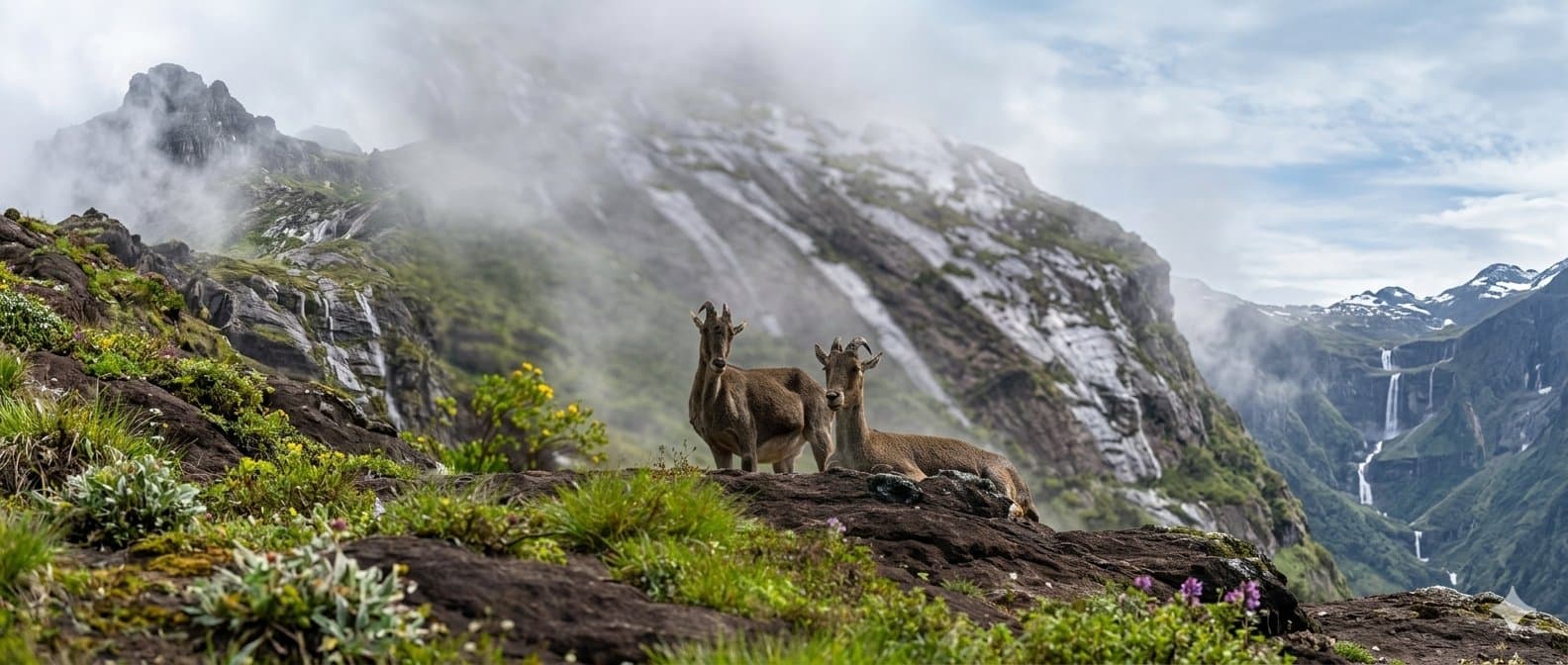
The region contains tropical evergreen forests, moist deciduous woodlands, montane grasslands and distinctive shola forests. Its varied elevations and heavy monsoon rainfall create conditions that support an extraordinary range of life. The lion-tailed macaque, Nilgiri tahr and Nilgiri langur are among its notable endemic mammals, while its forests and streams shelter numerous endemic amphibians, reptiles and freshwater fish.
The Western Ghats are also essential to the ecological functioning of peninsular India. Their forests influence monsoon patterns, protect watersheds and feed rivers that sustain millions of people. However, plantation expansion, dams, roads, habitat fragmentation and invasive species continue to affect parts of this sensitive landscape. The UNESCO World Heritage property known as the Western Ghats comprises 39 component areas grouped into seven clusters, reflecting the ecological importance of this mountain system.
Sundaland: The Island Wilderness of Nicobar
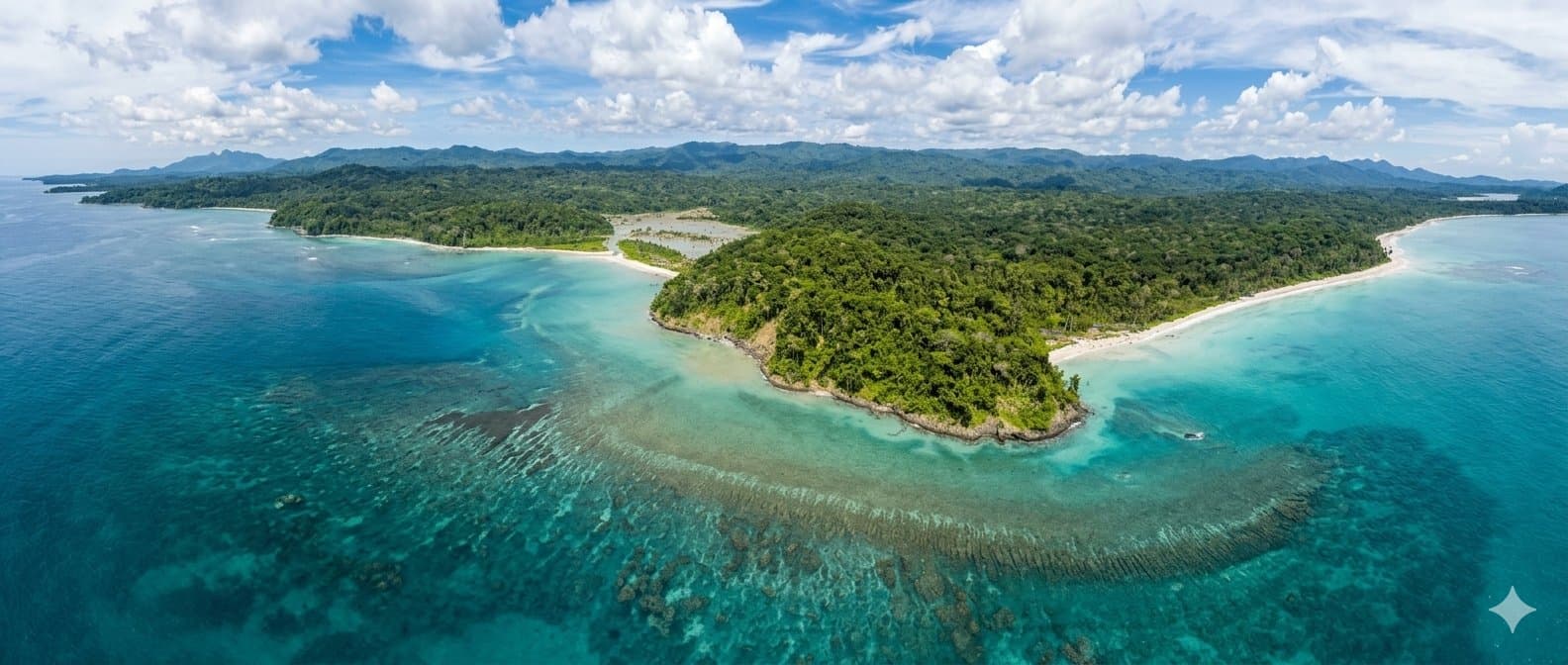
India's connection to the Sundaland biodiversity hotspot lies in the Nicobar Islands, an island group in the eastern Indian Ocean. Separated from mainland India by vast stretches of sea, these islands have developed distinctive ecosystems shaped by isolation, tropical conditions and their geological history.
Great Nicobar, the southernmost island of the archipelago, contains tropical evergreen forests, coastal plains and mountain habitats. Its biodiversity includes rare and endemic plants, reptiles, birds and mammals. Among its distinctive wildlife are the Nicobar megapode, Nicobar tree shrew and crab-eating macaque. The surrounding waters also support marine turtles, dugongs and diverse marine life.
The islands are equally significant for their Indigenous communities, including the Shompen and Nicobarese, whose lives and knowledge are closely connected to forest and marine environments. Their ecosystems are particularly sensitive to disturbances because of their limited geographical extent and ecological isolation. Habitat alteration, invasive species, coastal pressures and the impacts of extreme natural events all underline the importance of careful conservation.
India's four biodiversity hotspots reveal how closely the country's natural heritage is tied to its geography, climate and cultural diversity. From the high mountain habitats of the Himalaya to the island forests of the Nicobars, each region protects species and ecological relationships that cannot simply be recreated elsewhere.
Conservation must therefore extend beyond protecting individual animals or declaring forest boundaries. It requires safeguarding connected habitats, restoring degraded ecosystems, supporting local communities and making development more sensitive to ecological limits. These hotspots are not just repositories of rare species; they are living systems that sustain water, climate, livelihoods and cultural traditions.
Their future depends on recognising that biodiversity is not separate from human life. Protecting these landscapes means protecting the natural foundations on which generations to come will depend.
Share this article:
About Admin
Travel enthusiast and writer sharing stories from around the world. Passionate about discovering hidden gems and cultural experiences that inspire wanderlust.