Tips & Guides
Himachal Pradesh: When Development Meets the Forests of the Himalayas
Admin
Author
April 14, 2026
3 min read
170 views
The Green Soul of Himachal Pradesh
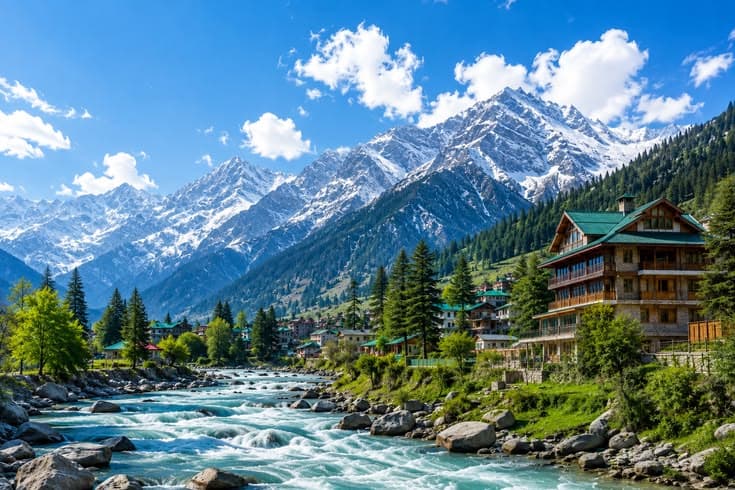
Nestled in the western Himalayas, Himachal Pradesh is renowned for its snow-capped peaks, lush valleys, and dense forests. From cedar-lined trails to alpine meadows, the state’s natural beauty attracts millions of travelers every year.
But beyond its postcard-perfect landscapes lies a growing concern—the gradual loss and degradation of forest cover, driven by increasing development activities. For travelers, understanding this reality adds a deeper perspective to exploring Himachal.
Why Forests Matter to Travelers and Locals Alike
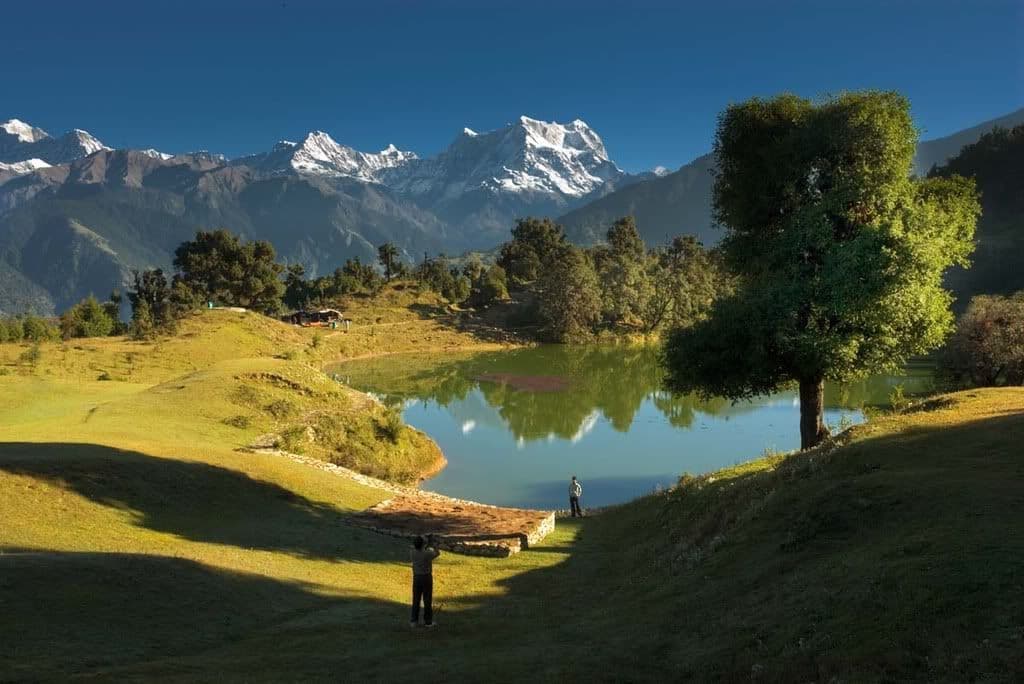
Forests in Himachal are not just scenic backdrops—they are the lifeline of the region.
They regulate climate, keeping hill stations cool and pleasant
They prevent landslides on fragile mountain slopes
They support biodiversity, from Himalayan birds to elusive wildlife
They sustain local communities through forest-based livelihoods
Destinations like Manali, Shimla, and Spiti Valley owe much of their charm and ecological balance to surrounding forests.
The Development Boom: A Double-Edged Sword
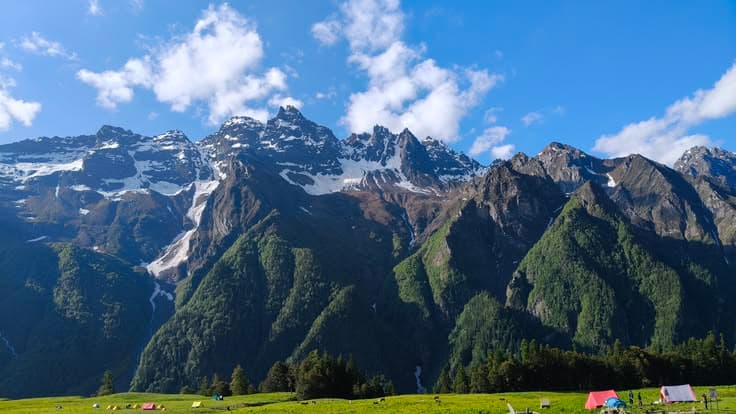
Over the past decade, Himachal Pradesh has seen rapid infrastructure growth aimed at improving connectivity and boosting tourism.
Expanding Road Networks
New highways and mountain roads are making remote destinations more accessible than ever. While this enhances travel experiences, it often involves cutting through forested areas, leading to habitat loss.
Hydropower and Infrastructure Projects
The state’s rivers are being harnessed for hydropower. Large-scale dam construction, tunneling, and land clearing have significantly impacted forest landscapes.
Tourism Infrastructure Growth
Hotels, resorts, and homestays are expanding rapidly, especially in popular areas. Unplanned construction in ecologically sensitive zones is putting pressure on forest ecosystems.
The Hidden Reality: Declining Forest Quality
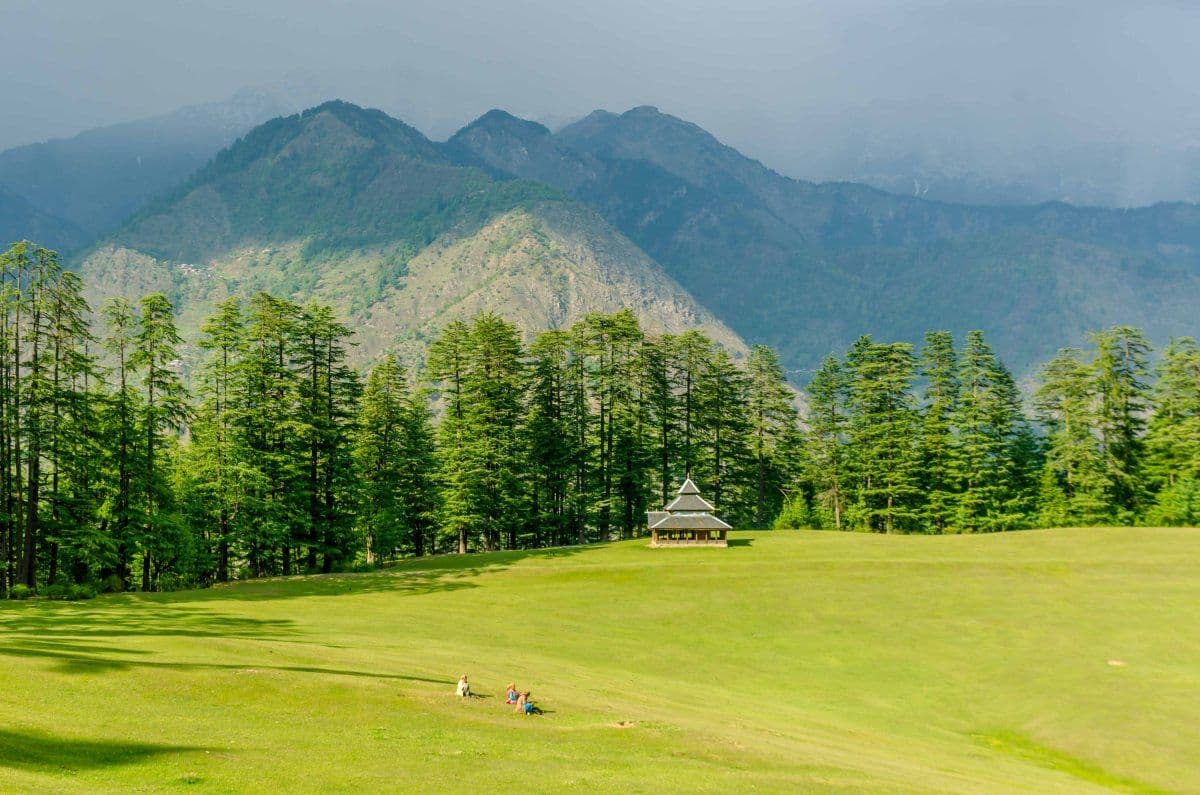
While official data may suggest stable forest cover, the reality on ground tells a different story.
Dense forests are slowly turning into open or degraded forests, which lack the same ecological richness. Travelers might still see greenery, but the biodiversity and resilience of these forests are weakening.
Environmental Impact: What It Means for Travel
Increased Landslides and Road Disruptions
Deforestation destabilizes mountain slopes, leading to frequent landslides—something many travelers already experience during monsoons.
Changing Weather Patterns
Forests play a role in maintaining local climate. Their degradation is contributing to unpredictable weather, affecting travel seasons.
Loss of Scenic Beauty
The iconic thick forests that define Himachal’s charm are thinning, impacting the visual and experiential quality of travel.
Threat to Wildlife Encounters
With shrinking habitats, wildlife sightings are becoming rarer, and human-wildlife conflicts are increasing.
A Path Forward: Balancing Growth and Conservation
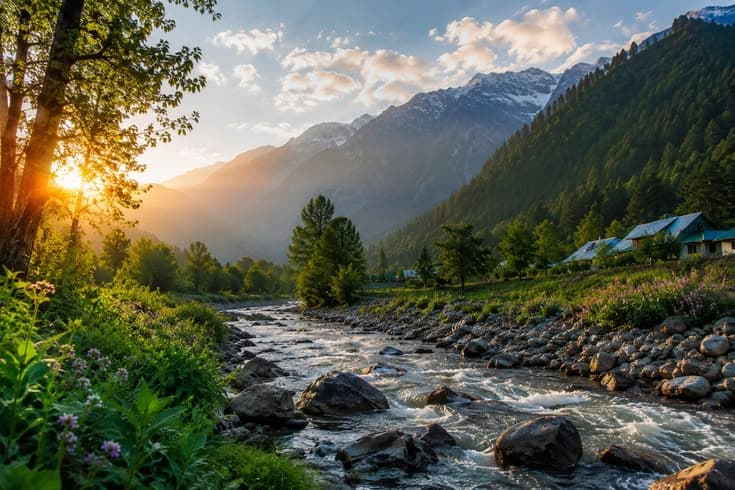
The future of Himachal Pradesh depends on finding a balance between development and environmental protection. Sustainable infrastructure planning, strict environmental regulations, and community-driven conservation efforts are essential.
Encouragingly, eco-tourism and awareness among travelers are slowly gaining momentum, offering hope for preserving the state’s natural heritage.
Travel with Awareness, Not Just Itinerary
Himachal Pradesh is more than a destination—it’s a delicate ecosystem. As you walk through its forests, breathe in the mountain air, and admire its landscapes, remember that these natural treasures are under pressure.
Traveling responsibly ensures that the beauty of Himachal remains intact—not just for us, but for generations to come.
Share this article:
About Admin
Travel enthusiast and writer sharing stories from around the world. Passionate about discovering hidden gems and cultural experiences that inspire wanderlust.