Travel
Gyantse – Tibet’s Timeless Town of Fortresses, Faith & Quiet Stories
Admin
Author
April 22, 2026
5 min read
197 views
A Pause Between Great Destinations
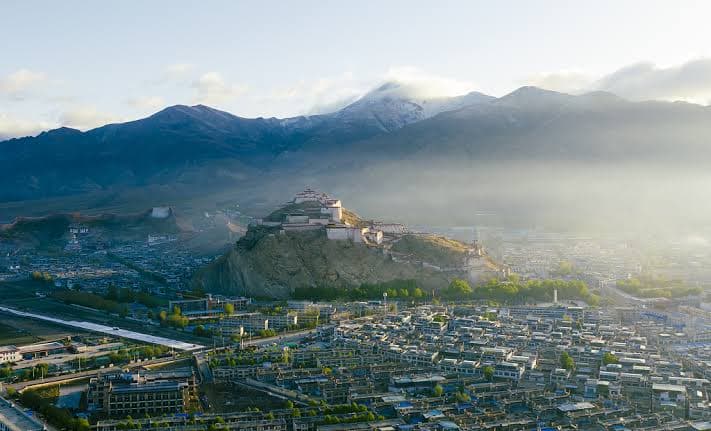
Set along the historic trade route connecting Lhasa and Shigatse, Gyantse often becomes a stopover.
But to treat it as just a stop is to miss its essence.
At an altitude of around 4,000 meters, Gyantse feels grounded yet expansive—surrounded by fertile valleys, distant mountains, and a sense of history that lingers in every structure.
Why Gyantse Feels Different
Unlike Tibet’s larger cities, Gyantse hasn’t been reshaped by rapid change.
Streets feel quieter, less hurried
Monuments stand without overwhelming crowds
History is visible, not curated
It’s a place where you don’t just visit landmarks—you notice details.
Gyantse Kumbum – A Monument of Many Worlds
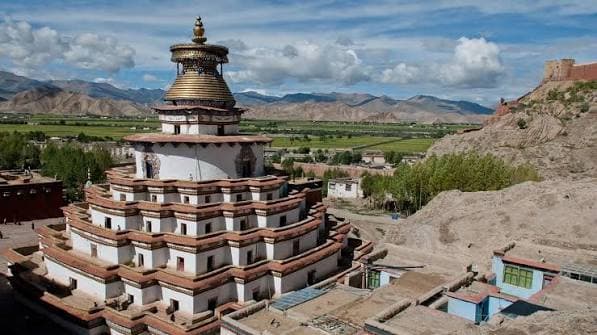
The most iconic structure in town is the extraordinary Gyantse Kumbum, part of the Pelkor Chode Monastery complex.
Unlike typical stupas, the Kumbum is a multi-level structure filled with:
Over a hundred chapels
Intricate murals depicting Buddhist teachings
Statues that represent different spiritual paths
Climbing through its levels feels like moving through layers of philosophy and art—each floor revealing something new.
Pelkor Chode Monastery – Harmony in Diversity
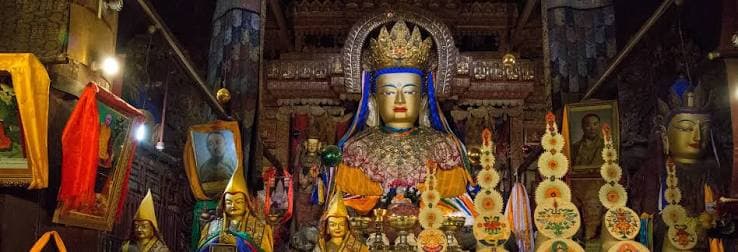
Surrounding the Kumbum is Pelkor Chode Monastery, a unique monastery that once hosted multiple Buddhist sects.
This coexistence makes it distinct in Tibetan history. Even today, the monastery carries a sense of openness and balance—quiet courtyards, prayer halls, and monks moving through daily rituals.
It’s not grand in scale, but deeply rich in meaning.
Gyantse Dzong – The Fortress Above
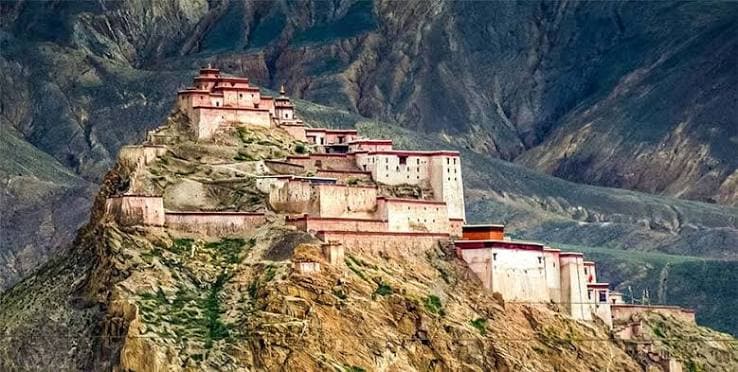
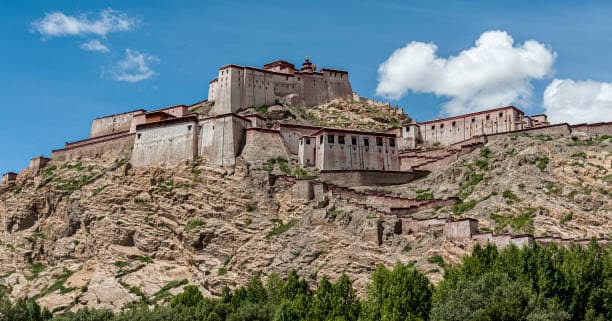
Watching over the town is Gyantse Dzong, a hilltop fortress that has witnessed centuries of history, including resistance during early 20th-century conflicts.
From the top, the view stretches across:
The patchwork of Gyantse town
Fertile valleys shaped by the Yarlung Tsangpo River system
Distant mountains fading into the horizon
It’s a place where history and landscape meet.
A Landscape That Feels Lived In
Unlike the stark emptiness of western Tibet, Gyantse sits within a relatively fertile region.
Fields of barley and mustard add color to the land
Villages blend naturally into the surroundings
Rivers and irrigation channels bring life to the valley
This softer landscape creates a different rhythm—one that feels grounded and human.
Experiences That Define Gyantse
Gyantse offers quiet, meaningful moments:
Exploring the levels of Gyantse Kumbum
Walking through Pelkor Chode Monastery, observing daily rituals
Climbing Gyantse Dzong for panoramic views
Wandering local streets, where life unfolds naturally
There’s no rush here—only discovery at your own pace.
Best Time to Visit
April to June: Pleasant weather and clear views
September to October: Crisp air and vibrant landscapes
Winter (Nov–Feb): Quiet and atmospheric, though cold
Important Travel Considerations
High altitude requires acclimatization
Travel permits are required for Tibet
Respect local customs, especially in monasteries
Photography may be restricted in interiors
Ideal For
Cultural and history enthusiasts
Spiritual travelers
Photographers focusing on architecture and detail
Travelers seeking quieter alternatives to major Tibetan cities
Why Gyantse Is a Place You Discover Slowly
Gyantse doesn’t try to stand out—and that’s what makes it memorable.
It invites you to slow down, to look closer, and to appreciate the details that larger destinations often overshadow. In its monasteries, fortresses, and quiet streets, you find a version of Tibet that feels intimate, grounded, and timeless.
Sometimes, the most meaningful journeys happen in places that don’t ask for attention—only your presence.
Share this article:
About Admin
Travel enthusiast and writer sharing stories from around the world. Passionate about discovering hidden gems and cultural experiences that inspire wanderlust.