Travel
GUREZ VALLEY: WHERE THE MOUNTAINS KEEP THEIR STORIES
Admin
Author
October 31, 2026
3 min read
1 views
A Valley Beyond the Familiar
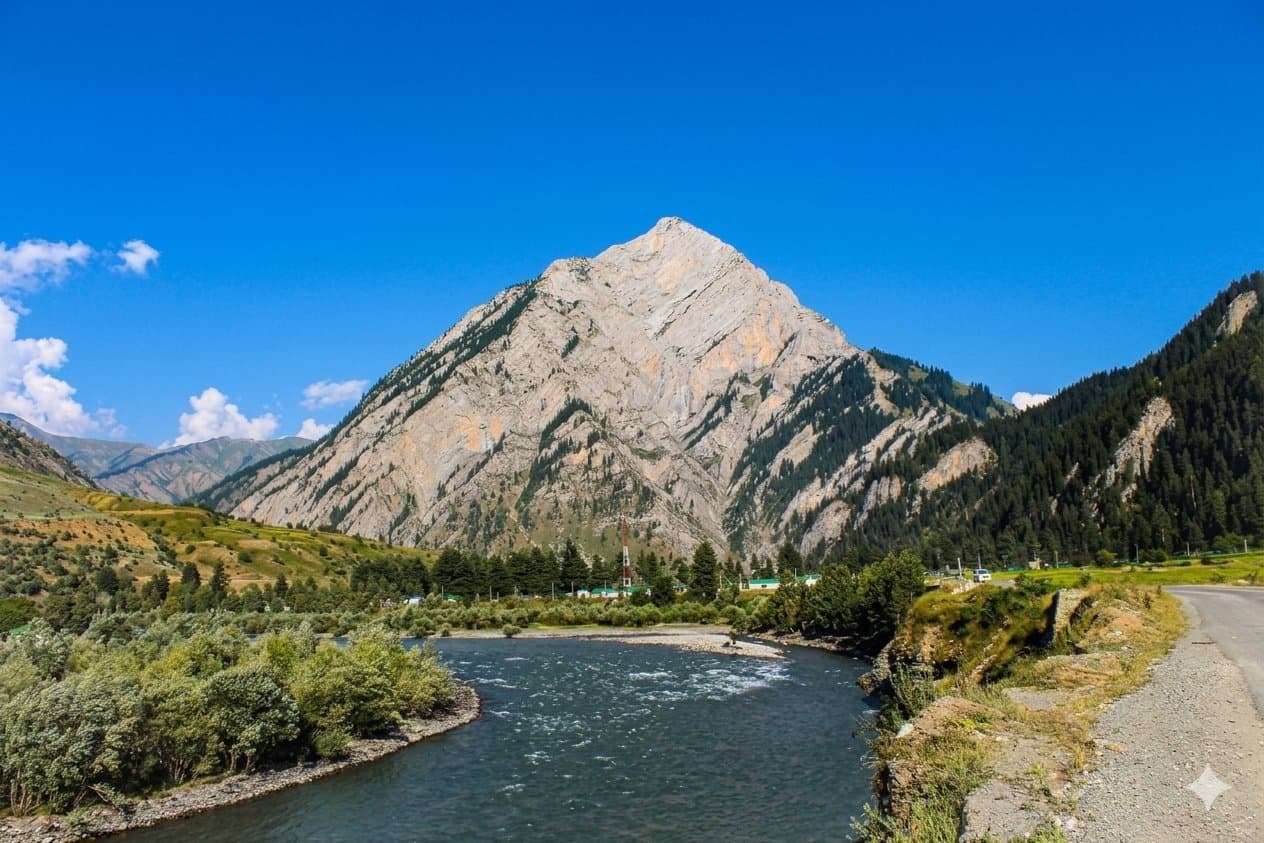
Located in the northern part of Jammu and Kashmir, Gurez Valley lies close to the Line of Control and is surrounded by some of the most striking mountain landscapes in the region. Situated at an altitude of approximately 2,400 metres, the valley stretches along the Kishanganga River, known as the Neelum River after it enters Pakistan-administered Kashmir.
The valley is characterised by steep mountain slopes, alpine meadows, dense forests and traditional settlements that reflect the relationship between people and their surroundings. Its geographical isolation has helped preserve aspects of its distinct cultural identity.
Gurez is particularly known as the homeland of the Dard-Shina community, whose language and traditions connect the valley to a wider cultural history of the western Himalayas.
From its historic connections with ancient mountain trade routes to its traditional wooden homes and pastoral way of life, Gurez offers a perspective on the Himalayas that extends far beyond its scenic appeal.
Where Mountains Meet the River
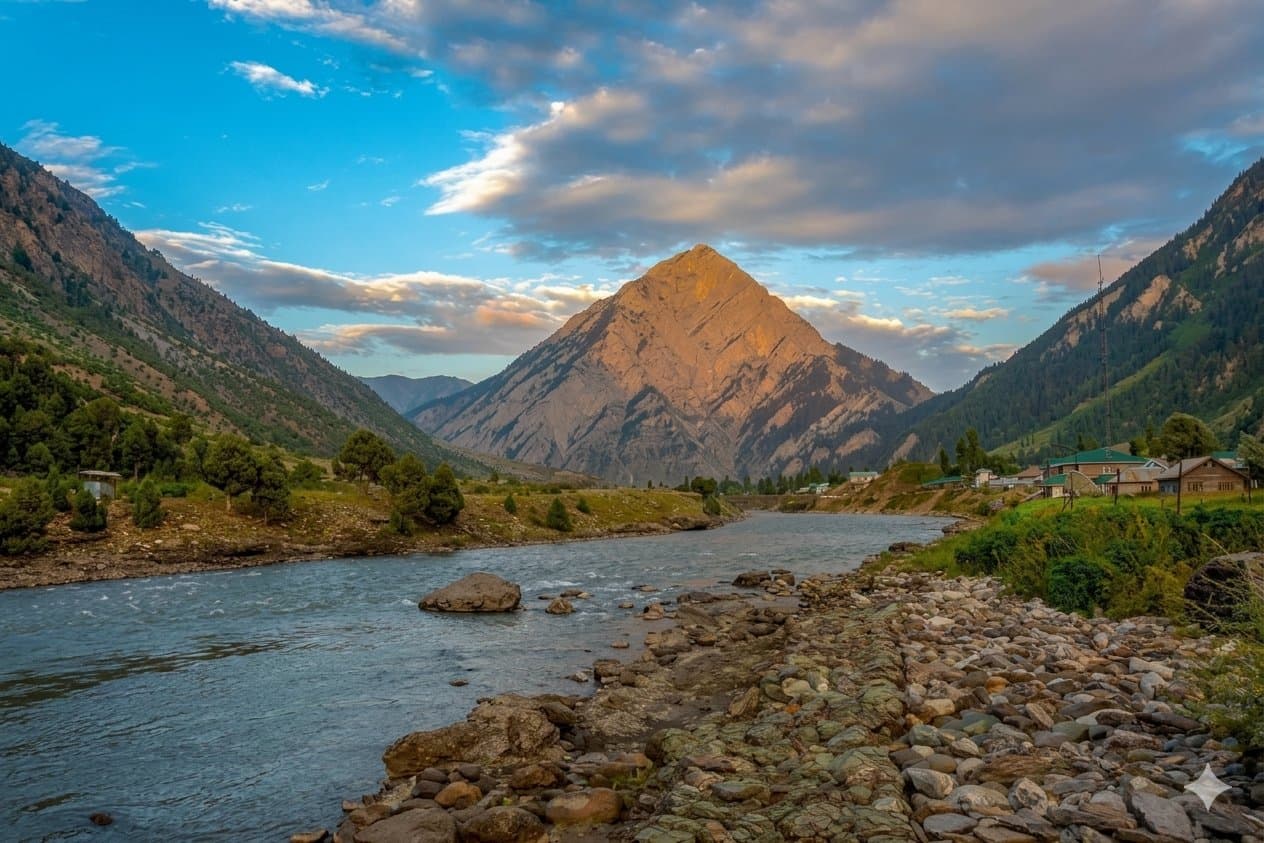
The natural landscape of Gurez is shaped by the dramatic presence of the Himalayas and the winding course of the Kishanganga River. Flowing through the valley, the river creates a striking contrast against the surrounding mountains and green meadows.
The Harmukh mountain range forms an important part of the region's geographical character, while snow-covered peaks and forested slopes define much of its landscape.
The valley's natural environment supports diverse plant and animal life. Its forests, grasslands and river ecosystems provide habitats for several Himalayan species, including the Himalayan brown bear and musk deer in the wider region.
One of Gurez's distinctive geographical features is its seasonal transformation. Long winters bring heavy snowfall and can isolate settlements, while warmer months reveal green pastures, flowing streams and agricultural fields.
This changing environment influences not only the appearance of the valley but also the everyday lives of its inhabitants.
Gurez demonstrates how mountain communities adapt to nature's rhythms, building livelihoods and traditions around an environment that is both beautiful and demanding.
The Living Heritage of the Dard-Shina People
Gurez is widely recognised as an important cultural centre of the Dard-Shina community, whose history and traditions form an essential part of the valley's identity.
The community speaks Shina, an Indo-Aryan language belonging to the Dardic language group. Its linguistic heritage connects Gurez with other Shina-speaking communities across parts of the western Himalayas.
Traditional music, folk stories, local customs and oral traditions continue to preserve the community's cultural memory. These expressions offer insight into generations of life shaped by the mountains and the region's geographical isolation.
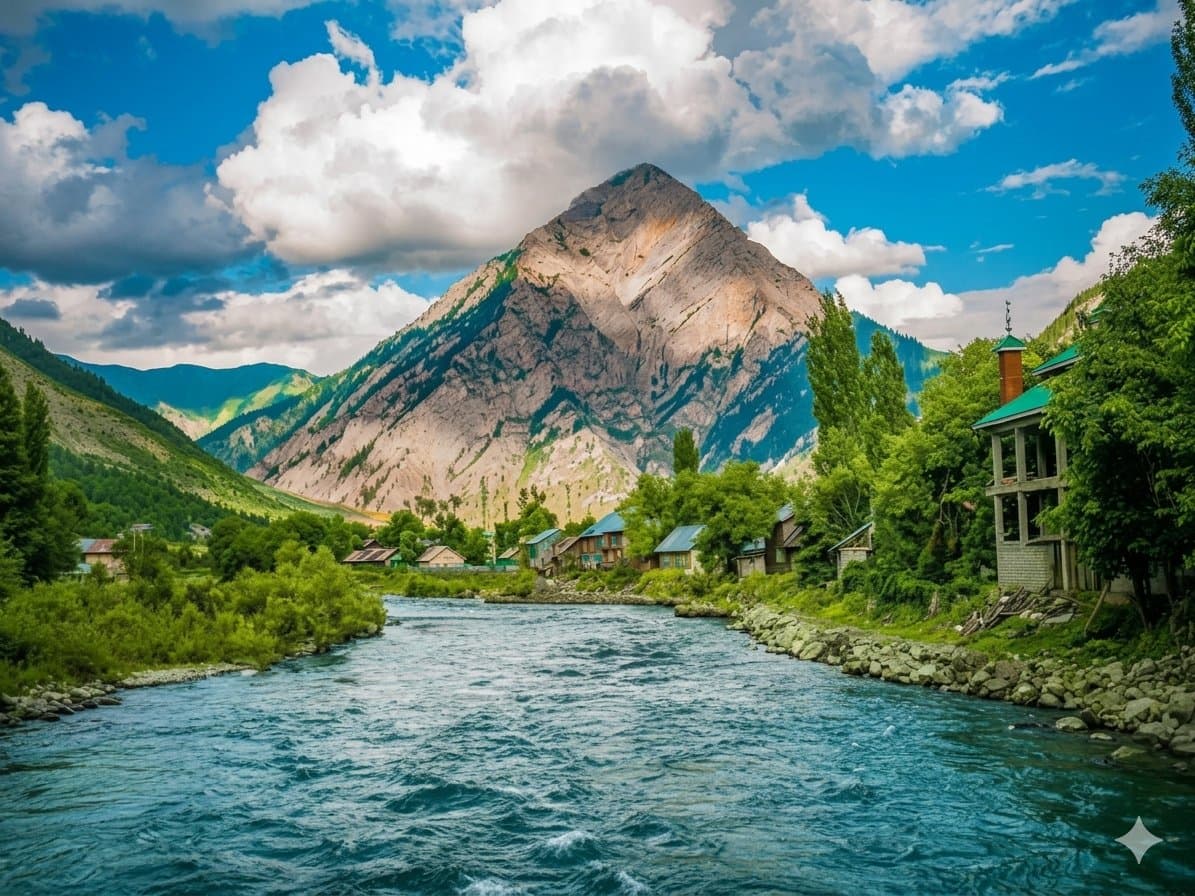
The traditional architecture of Gurez is another reflection of its cultural character. Many older homes feature wooden construction, sloping roofs and architectural designs adapted to the region's harsh winters and heavy snowfall.
Dawar, the main settlement of the valley, is an important centre of local life. Nearby, the historic Habba Khatoon Peak carries a place in regional folklore and is associated with the celebrated Kashmiri poetess Habba Khatoon.
The heritage of Gurez is not simply something preserved in history books. It continues through the language, homes, stories and everyday practices of the people who call this valley home.
Tracing History Through Mountain Passes
Gurez has historically held an important position along routes connecting Kashmir with regions further north, including Gilgit and Central Asia.
The valley's location made it part of historic mountain networks used by traders, travellers and communities moving across the western Himalayas. The nearby Burzil Pass was among the important routes that connected the Kashmir Valley with the Gilgit region.
These routes facilitated the movement of goods, ideas and cultural influences across mountain settlements, making Gurez more than an isolated geographical pocket.
One of the valley's most significant historical landmarks is the Dawar region, where the remains of ancient structures and traditional settlements reflect its longstanding human presence. The surrounding villages also preserve architectural and cultural traces of earlier generations.
Today, improved connectivity and growing interest in the region have brought greater attention to Gurez. However, its location near a sensitive border region also makes responsible and regulated tourism particularly important.
Visitors can contribute to the preservation of this landscape by respecting local regulations, supporting local businesses, avoiding littering and treating cultural sites with care.
Gurez's history reminds us that even remote mountain valleys have long been connected to wider networks of trade, culture and human movement.
The Stories That Stay with the Mountains
Gurez Valley is a place where natural landscapes and cultural heritage come together to tell a story that extends beyond its mountains and rivers.
Its connection with the Kishanganga River, the traditions of the Dard-Shina community and its history as part of ancient mountain routes give the valley a distinctive place in the western Himalayas.
As Gurez gradually receives greater attention, preserving its cultural identity and fragile mountain environment becomes increasingly important. Responsible tourism should encourage meaningful connections with local communities while ensuring that natural resources and traditional ways of life are respected.
Perhaps the real beauty of Gurez lies in the stories carried by its people, the language spoken in its villages and the traditions that continue beneath its towering peaks.
It is a reminder that a destination's true character is not measured only by the landscapes it offers, but also by the heritage it carries forward.
Share this article:
About Admin
Travel enthusiast and writer sharing stories from around the world. Passionate about discovering hidden gems and cultural experiences that inspire wanderlust.