Tips & Guides
Forest Fragmentation in the Himalayas – A Growing Threat
Admin
Author
April 15, 2026
3 min read
196 views
When Beauty Hides a Crisis
There’s a moment every traveler experiences in the Himalayas—winding through misty roads, watching endless stretches of green unfold across mountains in Himachal Pradesh and Uttarakhand. It feels untouched. Timeless. Alive.
But what if this beauty is deceiving?
Because behind this illusion of abundance lies a quiet crisis—forests are not just shrinking, they are breaking apart. And this fragmentation is changing the Himalayas in ways we are only beginning to understand.
What is Forest Fragmentation—and Why Should Travelers Care?
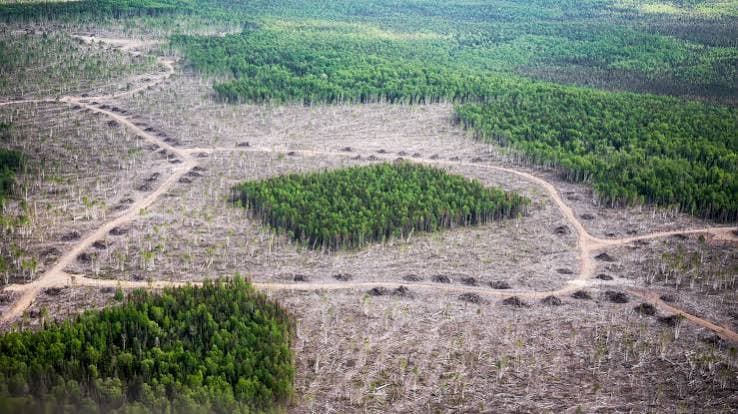
Forest fragmentation isn’t as visible as deforestation. The trees don’t completely disappear. Instead, vast forests are sliced into smaller, disconnected patches.
A road here. A hotel there. A settlement expanding slowly.
For a traveler, it may look like “development.” But for the ecosystem, it’s like breaking a living organism into pieces—each one weaker than before.
The Journey That Reveals the Truth
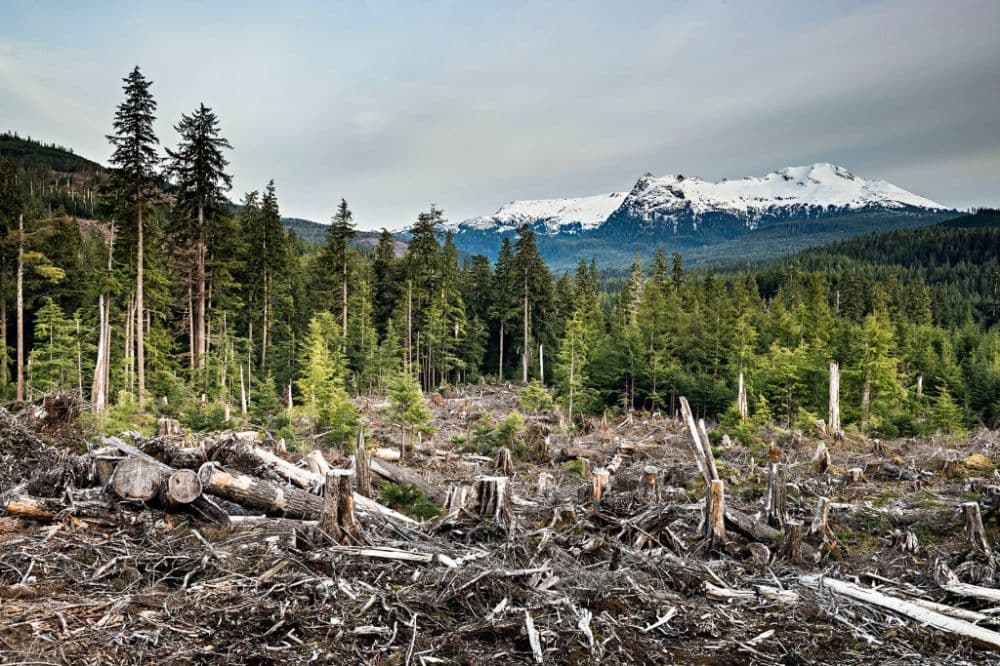
If you’ve ever driven to Manali or explored the hills around Nainital, you may have noticed it—
Forests interrupted by widening highways
Hillsides dotted with unplanned construction
Green stretches broken by patches of barren land
These are not isolated changes. They are signs of a deeper shift—one that is slowly rewriting the Himalayan landscape.
What’s Causing the Break in the Forests?
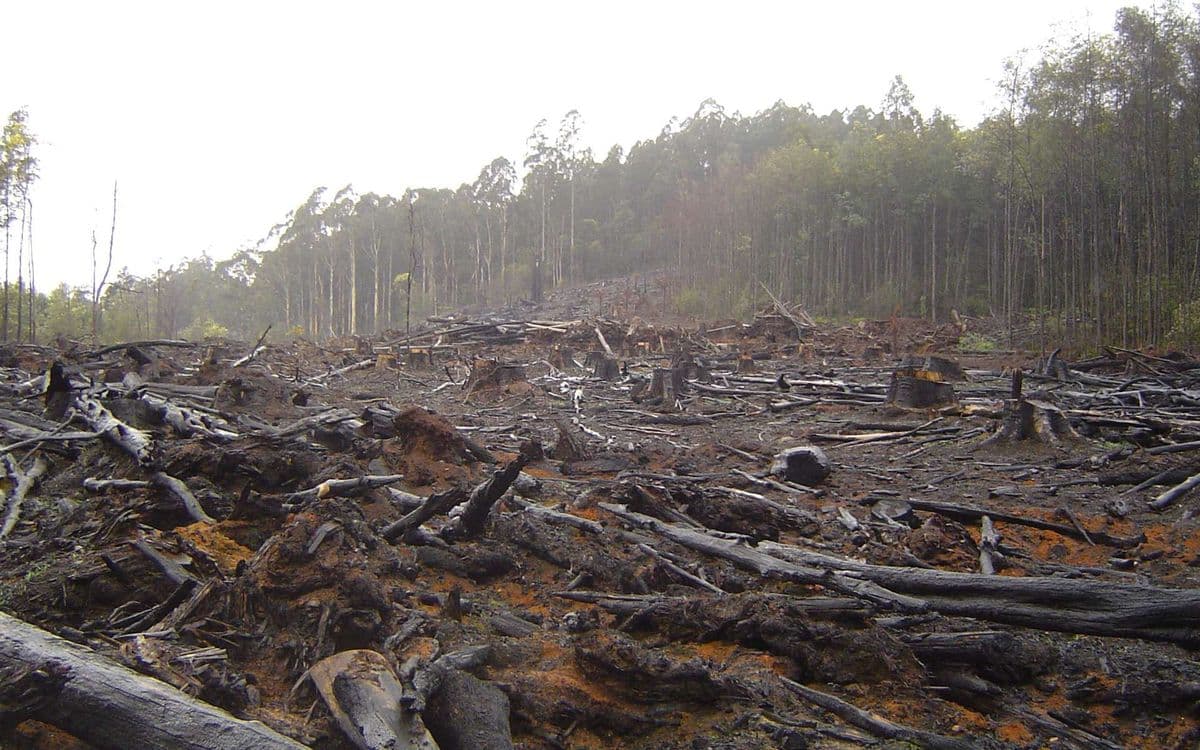
The Price of Better Connectivity
New roads and tunnels are opening up remote destinations, making travel easier than ever. But every road carved through a mountain often cuts through dense forest, dividing habitats that once existed as one.
The Tourism Boom We Celebrate
Tourism has brought opportunities and growth—but also pressure. The demand for hotels, cafes, and scenic stays has led to construction in fragile forest zones.
Expanding Human Footprint
Villages are growing. Agricultural land is expanding. Forests are slowly giving way to human needs—one patch at a time.
Why Fragmentation is More Dangerous Than Losing Forests Entirely
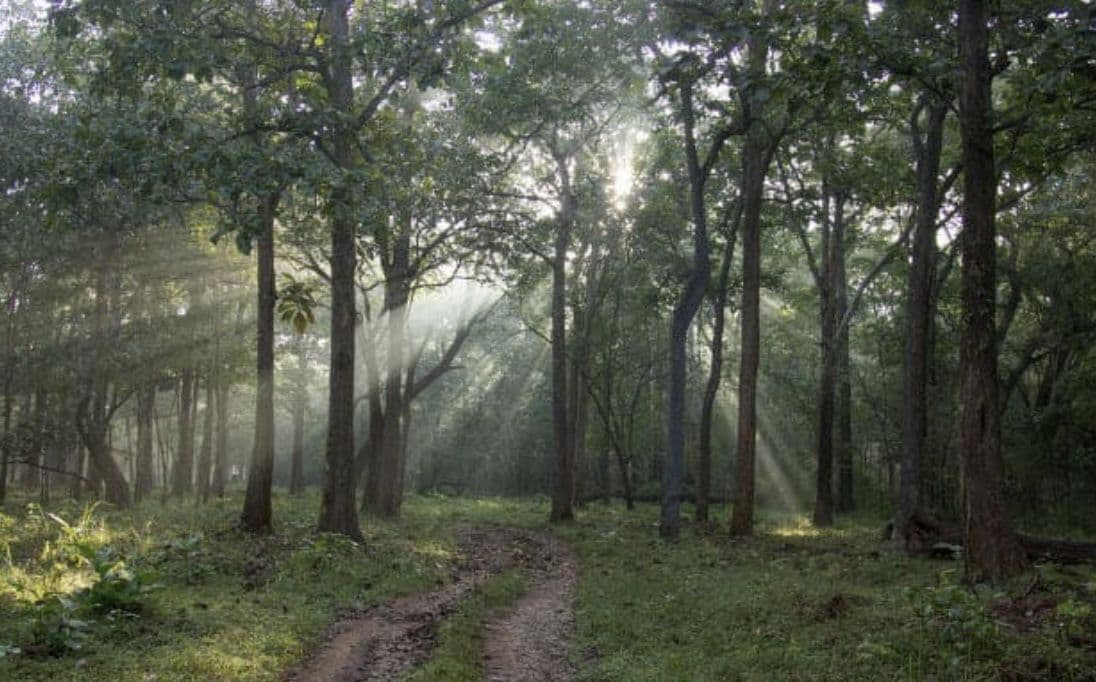
A Broken Home for Wildlife
Animals don’t recognize roads or boundaries. When forests are fragmented, their natural movement paths disappear. This leads to confusion, stress, and often, dangerous encounters with humans.
Rising Human-Wildlife Conflict
Leopards entering villages. Bears wandering near towns. These aren’t isolated incidents—they’re consequences of shrinking and broken habitats.
Weaker Forests, Faster Damage
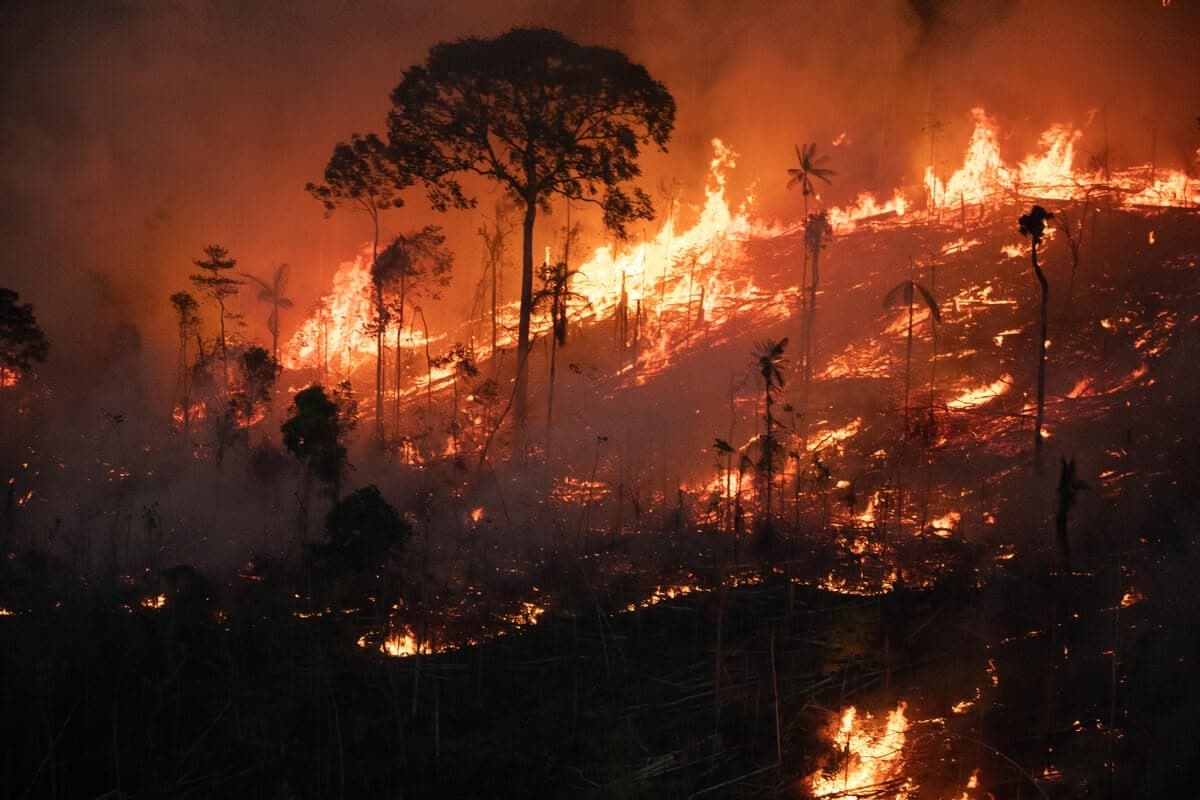
A large forest can protect itself. A small patch cannot. Fragmented forests are more vulnerable to fires, pests, and climate stress.
The Disappearance of Silence
One of the most underrated losses? The silence of the forest. Fragmentation brings roads, noise, and human activity—changing the very experience of being in the mountains.
A Future Worth Protecting
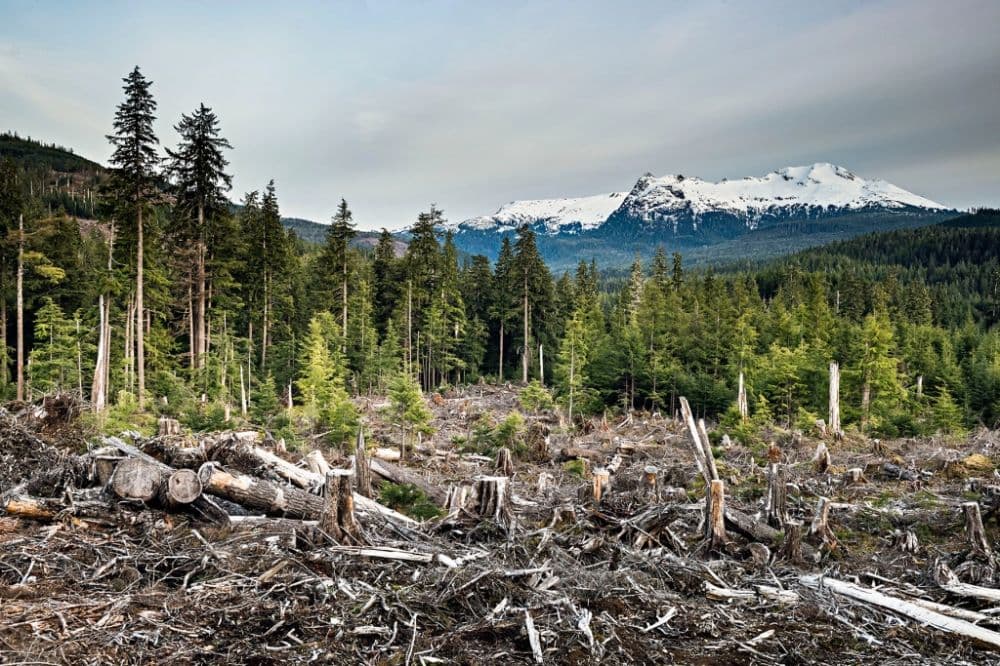
The Himalayas are not just mountains—they are a living ecosystem, a source of rivers, culture, and life.
Forest fragmentation may be invisible at first glance, but its impact is deep and lasting. The choices we make today—as travelers, as developers, as a society—will decide what these mountains look like tomorrow.
Look Beyond the View
The next time you stand in the Himalayas, take a moment. Look beyond the beauty. Notice the breaks in the forest, the roads cutting through hills, the changing landscape.
Because understanding the problem is the first step toward protecting what we love.
And the Himalayas—fragile, majestic, and irreplaceable—deserve more than admiration.
They deserve awareness. They deserve care. They deserve action.
Share this article:
About Admin
Travel enthusiast and writer sharing stories from around the world. Passionate about discovering hidden gems and cultural experiences that inspire wanderlust.