Tips & Guides
Forest Fires – The Burning Threat to Himalayan Green Cover
Admin
Author
April 15, 2026
3 min read
175 views
When the Mountains Catch Fire
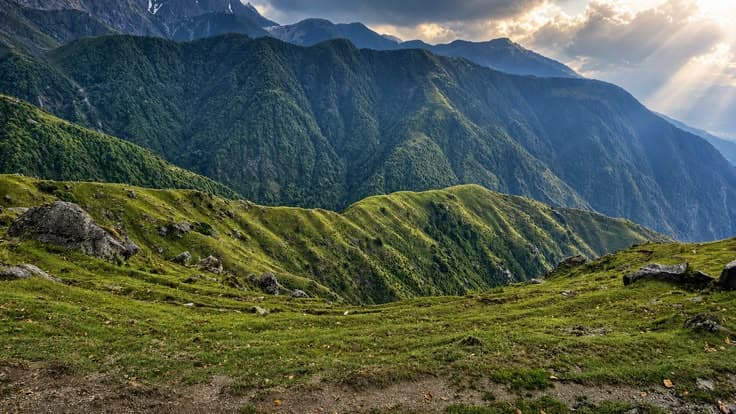
The Himalayas are often imagined as cool, green, and serene. Travelers heading to Uttarakhand and Himachal Pradesh expect misty forests, fresh mountain air, and peaceful landscapes.
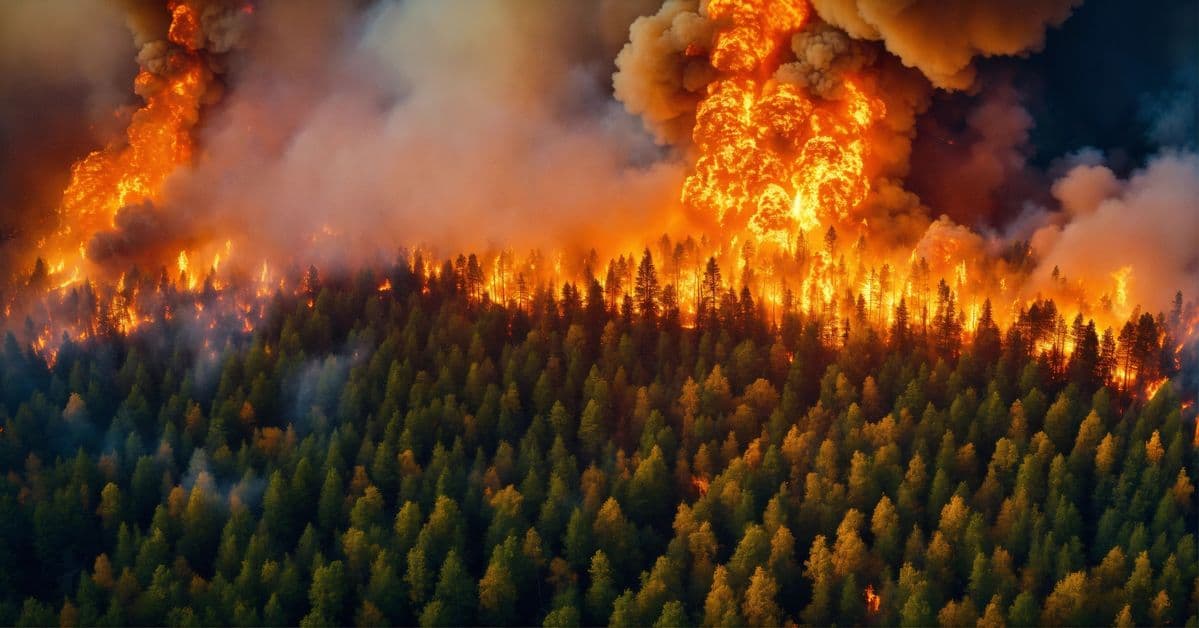
But during the dry summer months, a different reality emerges—vast stretches of forest engulfed in flames, turning green hills into smoky, fragile terrains. Forest fires have become an annual crisis, threatening not just nature, but the entire Himalayan travel experience.
Why Forest Fires Are Increasing in the Himalayas
Rising Temperatures and Climate Change
The Himalayan region is warming faster than expected. Longer dry spells, reduced snowfall, and erratic rainfall create the perfect conditions for fires to ignite and spread rapidly.
Highly Flammable Pine Forests
Large parts of these regions are covered with chir pine trees. Their dry needles accumulate on the forest floor, acting like fuel—making even a small spark capable of causing a massive fire.
Human Negligence and Activities
Many forest fires are not natural.
Carelessly discarded cigarette butts.
Campfires left unattended.
Burning of agricultural waste.
These small actions often lead to large-scale destruction.
Lack of Efficient Fire Management.
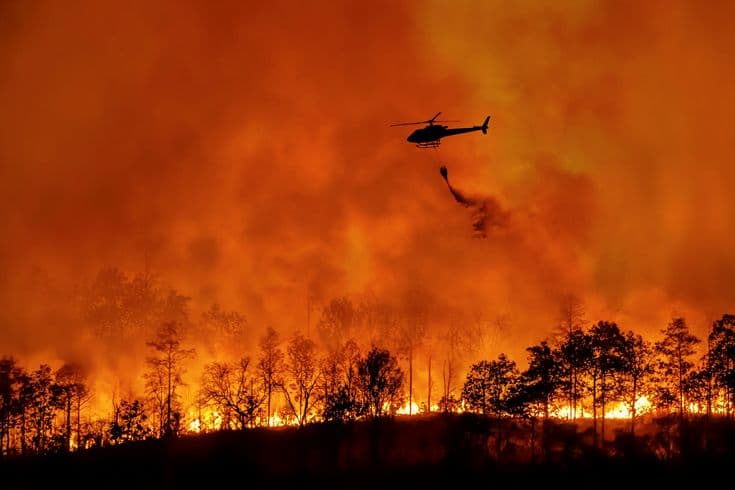
Difficult terrain and limited resources make it challenging to control fires quickly, allowing them to spread across vast areas.
What Happens When Forests Burn
Loss of Biodiversity
Fires destroy habitats of countless species—from birds to small mammals and insects. Many cannot escape the flames, leading to irreversible ecological loss.
Air Pollution in Hill Stations
Smoke from forest fires affects air quality in popular destinations like Nainital and Shimla, impacting both locals and tourists.
Damage to Soil and Water Systems
Burnt soil loses its fertility and ability to retain water. This leads to drying of natural springs and affects river systems.
Release of Carbon Emissions
Forests act as carbon sinks. When they burn, stored carbon is released into the atmosphere, worsening climate change.
Impact on Travel and Tourism
Disrupted Travel Plans
Road closures, reduced visibility, and unsafe conditions often force travelers to change or cancel their plans.
Loss of Scenic Beauty
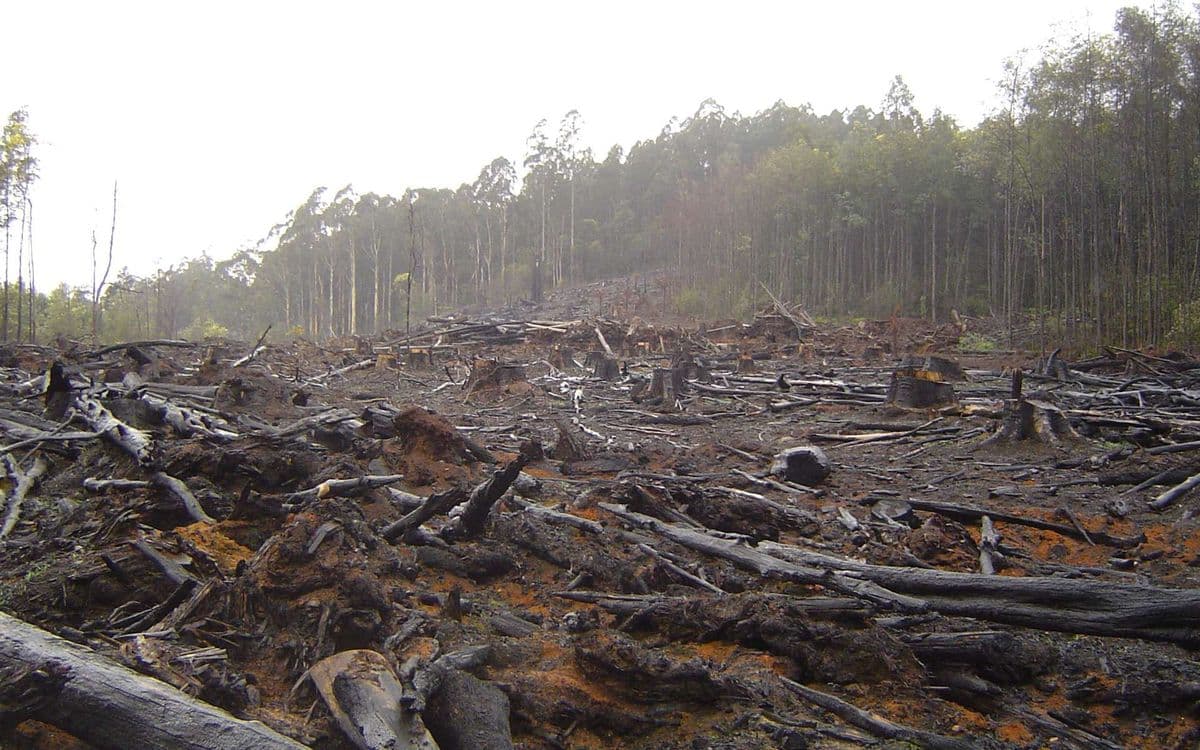
The lush green landscapes that define Himalayan travel are replaced with charred trees and smoky skies.
Health Concerns for Travelers
Smoke-filled air can cause breathing problems, especially for those with respiratory issues.
Decline in Nature-Based Experiences
Trekking, wildlife spotting, and forest walks lose their charm in fire-affected areas.
The Long-Term Damage: More Than Just Burnt Trees
Forest fires don’t just destroy what exists—they affect the future.
Regeneration of forests becomes slow and difficult
Repeated fires convert dense forests into degraded land
Increased risk of landslides due to weakened soil
Permanent loss of certain plant and animal species
Over time, this changes the very identity of the Himalayan landscape.
The Climate Cycle: Fire Feeding Fire
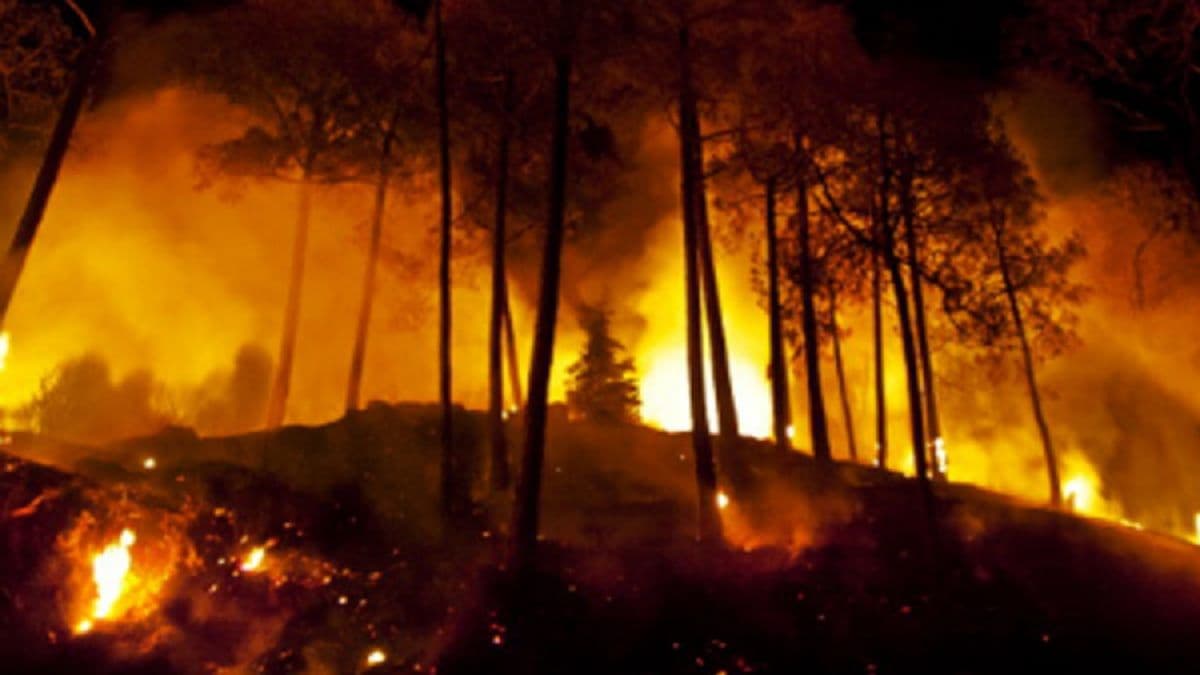
Forest fires and climate change are deeply connected.
Fires increase carbon emissions → which accelerates warming → which creates drier conditions → leading to more fires.
This cycle is already visible in the Himalayas, making the situation more urgent with each passing year.
What Needs to Be Done: A Collective Responsibility
Addressing forest fires requires coordinated efforts:
Better forest monitoring using technology
Community awareness and participation
Sustainable forest management practices
Stronger regulations on tourism and construction
Protecting forests is not just the government’s responsibility—it’s a shared duty.
Protecting the Green Heart of the Himalayas
The forests of the Himalayas are more than just landscapes—they are the lifeline of the region. They shape its climate, culture, and travel experiences.
Forest fires are a growing threat, but they are also preventable. With awareness, responsibility, and sustainable practices, we can protect these mountains from turning into ashes.
Because the true beauty of the Himalayas lies not just in visiting them—but in ensuring they remain alive, green, and thriving.
Share this article:
About Admin
Travel enthusiast and writer sharing stories from around the world. Passionate about discovering hidden gems and cultural experiences that inspire wanderlust.