Travel
Dzongu: A Living Lepcha Landscape in North Sikkim
Admin
Author
August 12, 2026
5 min read
94 views
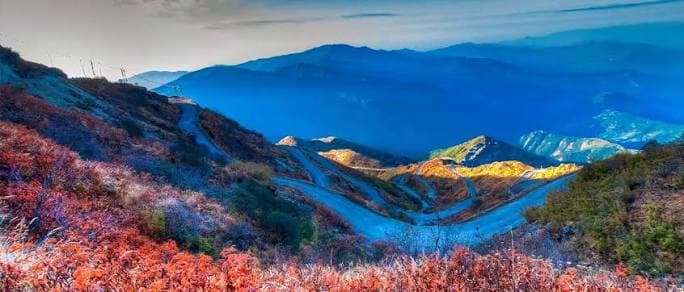
Far from the busy tourist circuits of Sikkim, Dzongu unfolds across forested mountain slopes in North Sikkim. The region is the designated homeland of the Lepcha community and retains a distinctive cultural character that sets it apart from more commercialised Himalayan destinations.
The landscape is defined by steep mountains, dense forests, streams and waterfalls, with the Khangchendzonga range forming an imposing backdrop. Yet Dzongu’s appeal lies beyond its scenery. Its villages, homestays and traditional practices offer travellers an opportunity to experience the region through the people who call it home.
Enter Lepcha Country
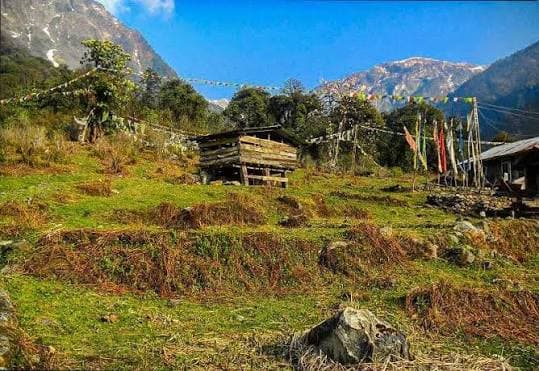
To understand Dzongu, it is essential to understand its relationship with the Lepcha people. The Lepchas have a deep cultural and spiritual connection with the natural environment. Mountains, rivers, forests and other elements of the landscape feature prominently in their traditional worldview. Knowledge of plants, agriculture, local ecology, craftsmanship and oral traditions has been passed through generations. This connection remains visible in everyday life, making Dzongu a destination where culture is not confined to museums or cultural performances—it continues to exist within the landscape itself.
Forests, Waterfalls and Mountain Trails
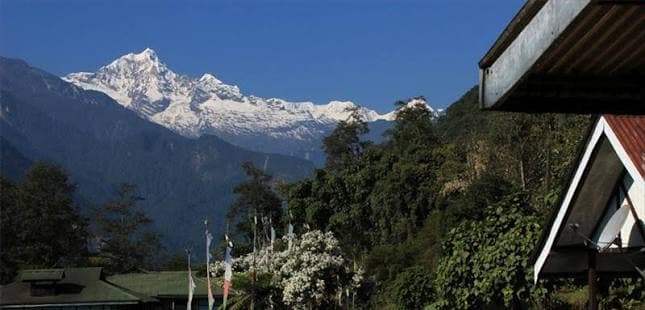
Water is one of the defining elements of Dzongu. Mountain streams descend through densely forested slopes, creating waterfalls and smaller cascades along village and forest routes. Among the region's notable natural attractions is Lingzey Waterfall, a dramatic cascade surrounded by the rugged terrain of Upper Dzongu. The waterfall adds another dimension to the journey towards the more remote areas of the valley, where the landscape becomes increasingly wild and secluded. For travellers, exploring Dzongu is often about these smaller encounters with nature—forest trails, rushing streams, village paths and changing mountain views rather than a conventional collection of viewpoints.
Lepcha Museum: Preserving a Cultural Record
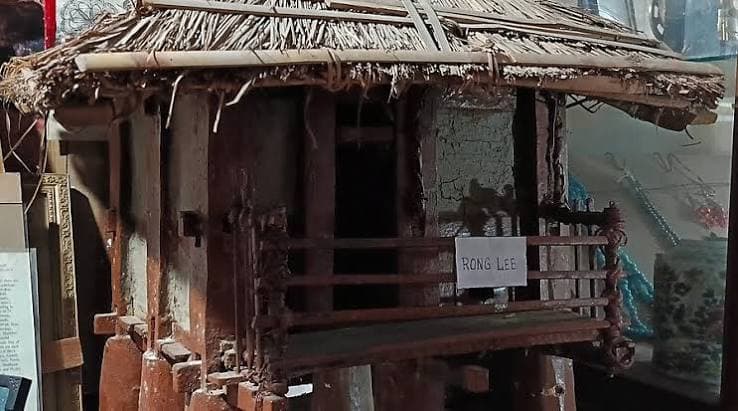
Located at Namprikdang in Lower Dzongu, the Lepcha Museum offers an important introduction to the material culture of the community. The museum houses traditional objects associated with Lepcha life, including household articles, handicrafts, manuscripts, religious objects and musical instruments. Established in 2003, it provides context to many of the traditions and practices that visitors encounter while travelling through Dzongu. For anyone interested in understanding the cultural foundation of the region, the museum is an essential stop.
Tholung Monastery: Sacred Upper Dzongu
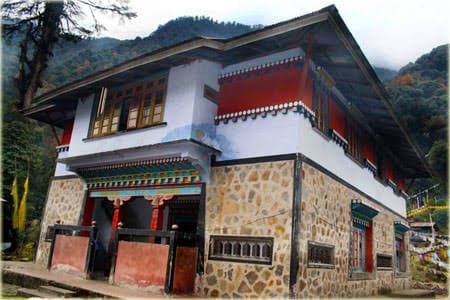
Further into Upper Dzongu lies Tholung Monastery, also known as Rigdzin Chhodubling. Located in a remote mountain setting, the monastery holds an important place in Sikkim's Buddhist heritage. The monastery is associated with historic scriptures, sacred objects and religious artefacts. Its remote location also makes the journey part of the experience, requiring a demanding trek through the mountain landscape. One of its significant traditions is the Khamsel ceremony, held every three years, when sacred relics and artefacts are ceremonially displayed.
Rongyoung Chu: A River Through Dzongu
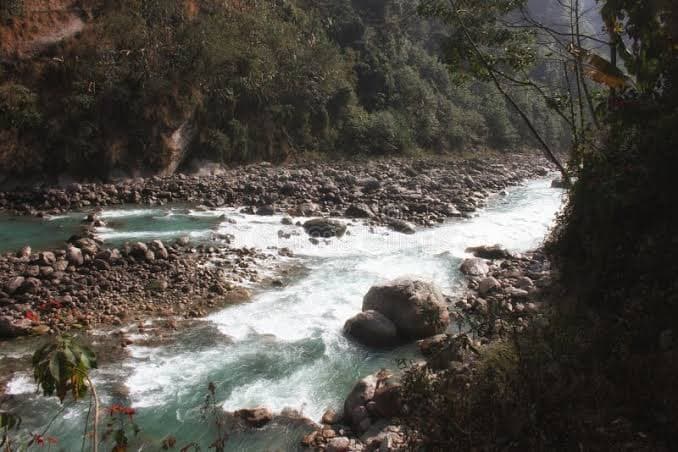
The Rongyoung Chu is an important river of the Dzongu landscape, flowing through the mountainous terrain before joining the Teesta. Like the forests and mountains surrounding it, the river is more than a geographical feature within Lepcha culture. Rivers hold an important place in the community's relationship with the natural world, contributing to the cultural landscape as well as the physical geography of the region. Following the river through Dzongu offers another perspective on how water has shaped the valley's settlements, trails and surrounding forests.
Namsoong: Celebrating the Lepcha New Year
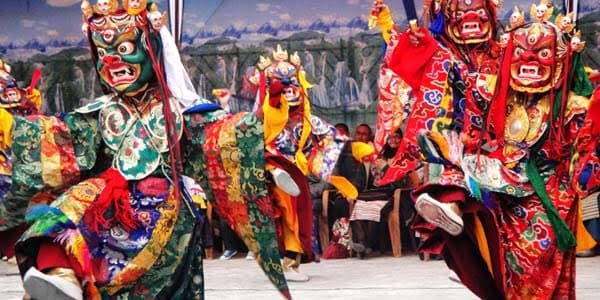
One of Dzongu's important cultural celebrations is Namsoong, the Lepcha New Year traditionally observed around December–January. The festival brings communities together through traditional rituals, folk performances, indigenous games, local food and cultural gatherings. More than a seasonal celebration, Namsoong represents the continuity of Lepcha traditions and community identity. For visitors, experiencing the festival offers a direct connection with a cultural tradition that continues to be celebrated within its ancestral landscape.
Dzongu stands apart because its cultural identity and natural environment remain closely intertwined. The forests are part of the landscape, the rivers shape its geography, monasteries preserve its spiritual traditions and festivals keep community memories alive. For travellers looking beyond Sikkim's familiar destinations, Dzongu offers something more meaningful than another mountain escape: a chance to encounter a living Lepcha landscape where nature, heritage and community continue to exist together. Dzongu is not simply a place to visit—it is a landscape to understand.
Share this article:
About Admin
Travel enthusiast and writer sharing stories from around the world. Passionate about discovering hidden gems and cultural experiences that inspire wanderlust.