Travel
Dambuk – Arunachal’s Orange Valley Where Rivers, Roads & Traditions Converge
Admin
Author
April 22, 2026
5 min read
244 views
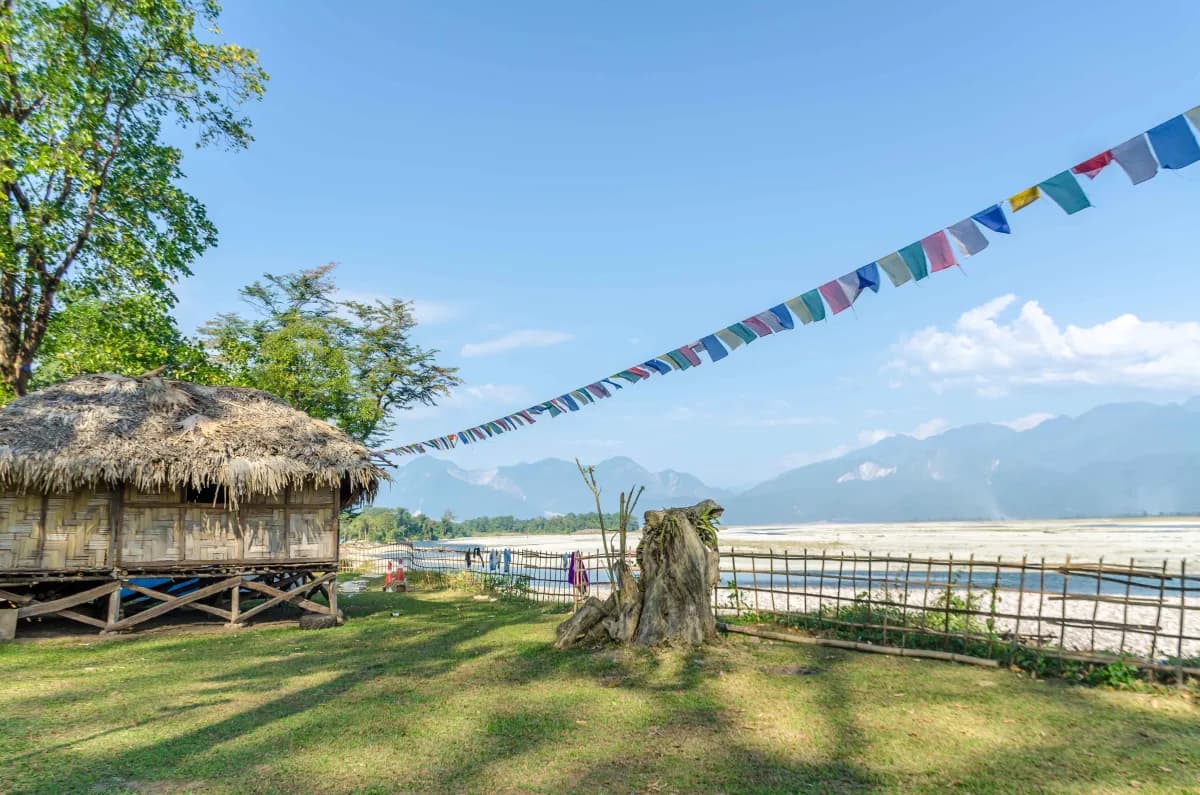
A Valley Between River and Road
Located in eastern Arunachal Pradesh, Dambuk sits along the banks of the powerful Brahmaputra River (locally connected through the Dibang system).
Unlike the high, isolated settlements deeper in the Himalayas, Dambuk lies in a transitional zone—where hills begin to open into plains, and where accessibility meets wilderness.
This unique positioning makes Dambuk both approachable and deeply authentic.
Historical Roots: A Land of Indigenous Identity
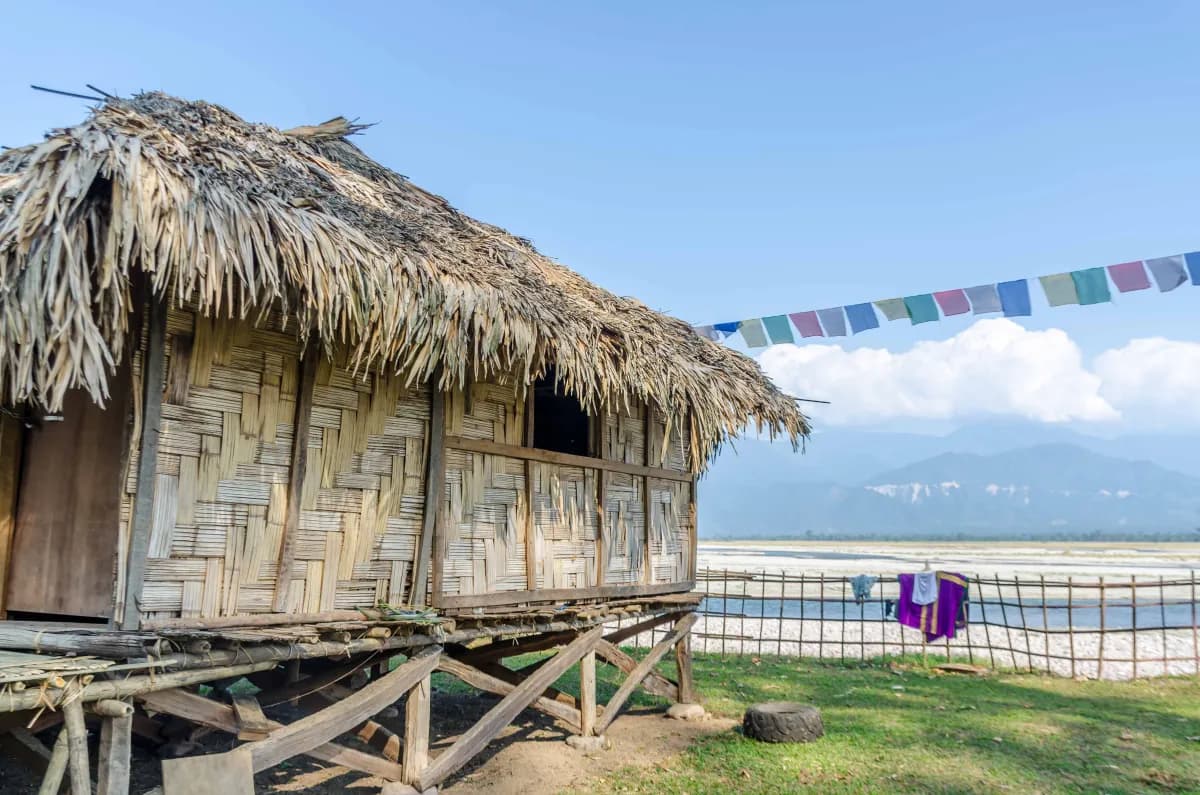
Dambuk’s history is closely tied to the Adi tribe, one of the major indigenous communities of Arunachal Pradesh.
The Adi people have lived in this region for centuries, developing a lifestyle closely linked to rivers, forests, and agriculture
Oral traditions, folklore, and rituals form the backbone of historical knowledge
Unlike regions shaped by empires, Dambuk evolved through community-led systems and ecological balance
In recent decades, improved road connectivity has brought gradual change, but the core identity remains intact.
Geography: Where Hills Meet Fertile Plains
Dambuk’s geography is what defines its character.
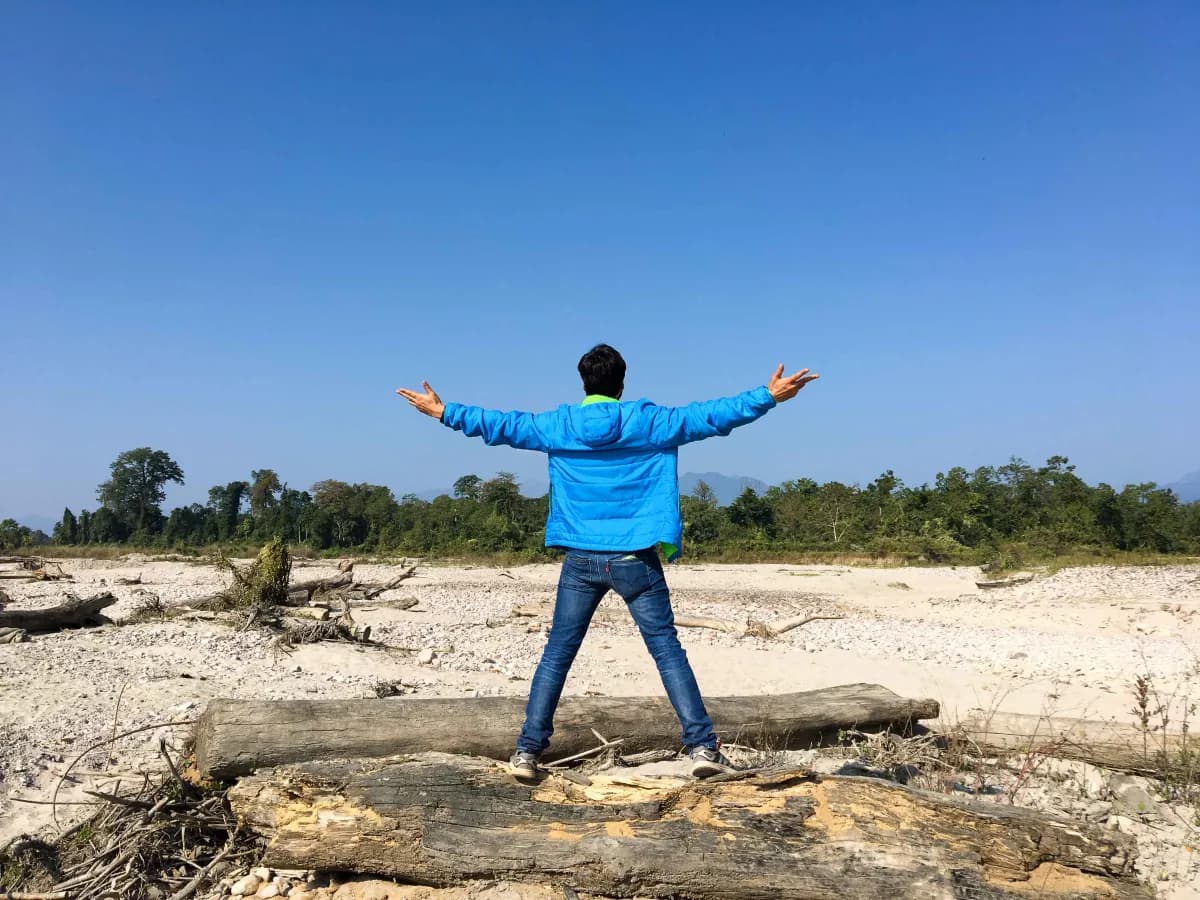
Located in the Lower Dibang Valley, the terrain transitions from mountain slopes to river plains
The influence of the Brahmaputra River system brings fertile soil, making agriculture a central part of life
Surrounding forests and riverbanks create a rich ecological environment
This combination of water, soil, and climate makes Dambuk one of the most agriculturally vibrant pockets of Arunachal Pradesh.
The Orange Capital – A Seasonal Transformation
Dambuk is widely known for its orange orchards, especially during winter.
Every year, the region celebrates the famous Dambuk Orange Festival, which transforms the quiet valley into a lively cultural and adventure hub.
Rows of orange trees stretching across the landscape
Local farmers showcasing their produce
Music, adventure sports, and cultural performances
It’s a rare blend of agriculture, tourism, and celebration—all rooted in the land.
Rivers & Landscapes: Movement and Stillness

The rivers around Dambuk are not just geographical features—they are lifelines.
Wide riverbeds with shifting channels
Pebbled shores and open skies
Seasonal changes that reshape the landscape
The presence of water adds both movement and calm, creating a dynamic yet soothing environment.
Culture: Life Close to Nature

The Adi community reflects a deep connection to the environment:
Bamboo and wooden homes designed for practicality
Festivals linked to agricultural cycles
Food, clothing, and traditions shaped by local resources
Despite growing tourism, Dambuk’s culture feels unfiltered and real.
Experiences That Define Dambuk

Dambuk offers a mix of calm and energy:
Exploring orange orchards during harvest season
Attending the Dambuk Orange Festival
Riverside walks along the Brahmaputra River system
Scenic drives through evolving landscapes
Village visits to understand Adi culture
It’s a destination that changes with the season—and rewards both slow and active travel.
Best Time to Visit
December to February: Ideal for the Orange Festival and orchard views
October to April: Pleasant weather for exploration
Monsoon (May–September): Lush but challenging due to rains
Ideal For
Offbeat travelers
Cultural and rural tourism enthusiasts
Adventure seekers (especially during the festival)
Photographers capturing vibrant yet raw landscapes
Why Dambuk Is More Than Just a Festival Destination
Dambuk may be known for its oranges—but its real richness lies deeper.
In its geography, you see transition.
In its culture, you see continuity.
And in its landscapes, you find a balance between movement and stillness.
It’s a place that changes with seasons, yet remains true to itself—making every visit feel both new and familiar.
Share this article:
About Admin
Travel enthusiast and writer sharing stories from around the world. Passionate about discovering hidden gems and cultural experiences that inspire wanderlust.