Travel
CHURAH VALLEY: WHERE THE MOUNTAINS GUARD THEIR STORIES
Admin
Author
October 31, 2026
3 min read
1 views
Beyond the Familiar Himalayas
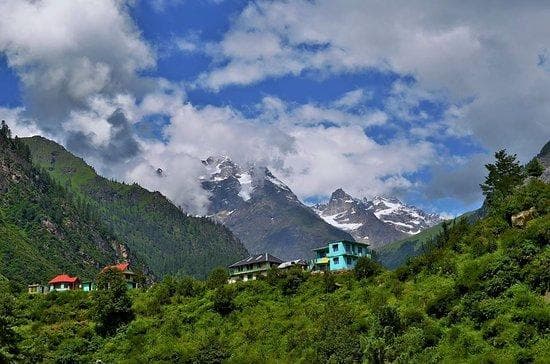
In the northern reaches of Himachal Pradesh's Chamba district lies Churah Valley, a region known for its rugged mountain terrain, traditional villages and unhurried rural life. Tissa, also known as Bhanjraru, serves as the sub-divisional headquarters and an important centre for the surrounding settlements.
Unlike Himachal's more frequently visited hill destinations, Churah remains relatively less travelled. Its landscape shifts between green slopes, dense forests, mountain streams and high-altitude terrain. Small villages preserve local customs, while temples and seasonal festivals continue to shape the cultural rhythm of everyday life.
The valley is also a gateway to several remote mountain lakes and challenging trekking routes. Its appeal lies not only in its scenery, but in the close relationship between its people, their beliefs and the surrounding Himalayan environment.
A LANDSCAPE ABOVE THE CLOUDS
Where mountain trails lead to hidden waters
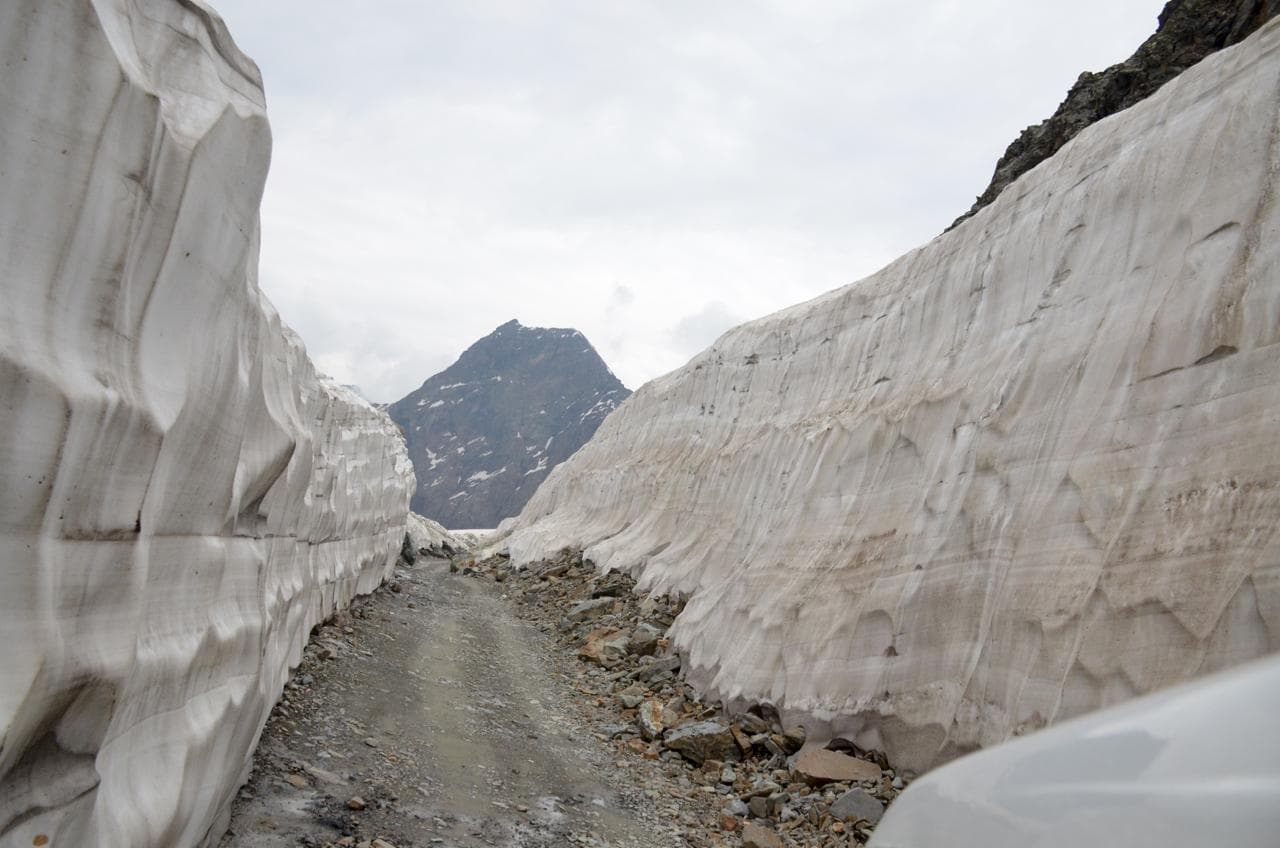
Churah's landscape is defined by steep mountain slopes, forested stretches and high-altitude lakes. Away from the settlements, the terrain gradually opens into alpine surroundings where meadows and glacial waters create a striking contrast against the rugged Himalayan mountains.
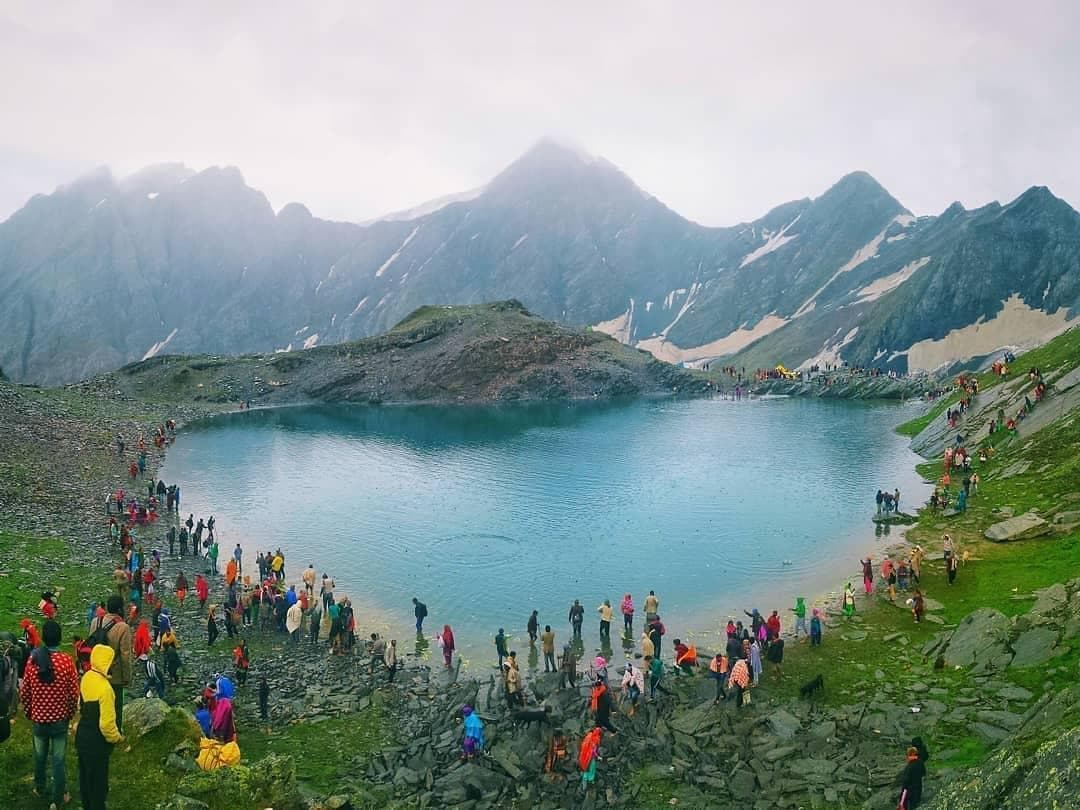
Among the region's notable natural attractions are Khundi Lake and the high-altitude lakes of Ghadasru, Mahadev Dal, Mahakali Dal and Mehalwar Dal. These water bodies are reached through demanding mountain routes and trekking trails, making them important to both nature enthusiasts and local pilgrims.
The area around Gandasru Mahadev, situated at a reported elevation of approximately 3,470 metres, is particularly distinctive. Its lake, open grasslands and surrounding mountain formations create a landscape where natural beauty and local spiritual traditions come together.
These high-altitude environments are also reminders of the sensitivity of mountain ecosystems. Their fragile terrain and seasonal conditions make responsible movement, careful waste management and respect for local surroundings especially important.
WHERE FAITH MEETS THE MOUNTAINS
Traditions rooted in the landscape
In Churah, religious beliefs and community traditions remain closely connected to the surrounding landscape. Temples are not simply places of worship; they are also important centres of local identity, seasonal gatherings and cultural continuity.
The Chamunda Devi Temple at Devi Kothi is among the region's recognised religious landmarks. The Bhadra Kali Temple at Bhalei is another important place of worship associated with the valley. These temples reflect the long-standing presence of local devotional traditions in the Chamba region.
The high-altitude lakes also hold religious significance. During the summer months, devotees undertake journeys to certain mountain lakes, where pilgrimage traditions are closely tied to the natural surroundings. The journey itself can be physically demanding, reflecting the importance of faith in local cultural life.
Festivals, temple gatherings and community customs help keep these traditions alive. They offer a window into a cultural landscape where spirituality is experienced not separately from nature, but as part of it.
THE QUIET RHYTHM OF RURAL LIFE
Where everyday traditions shape belonging
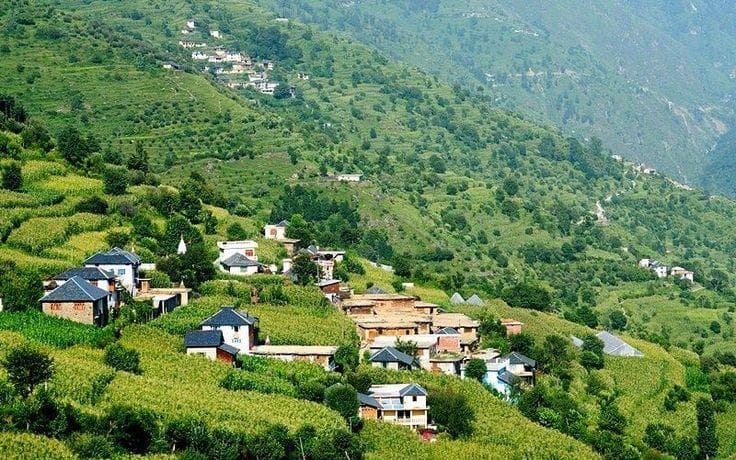
Beyond its mountain scenery, Churah is shaped by the everyday lives of its villages. Agriculture, horticulture and local livelihoods remain important to the region, with the wider Chamba area supporting crops and fruit cultivation suited to its varied mountain conditions.
The Teesa and Churah region has also been associated with floriculture initiatives, reflecting the role of flower cultivation in local economic activity. Apple orchards and other fruit-growing areas form part of the wider agricultural landscape of Chamba district.
Life here follows the changing seasons. Weather, terrain and access to surrounding settlements influence daily routines, while local festivals and religious gatherings bring communities together. The slower pace of village life offers a contrast to destinations shaped primarily around tourism.
As interest in lesser-known Himalayan destinations grows, it becomes important that tourism respects the communities who call these places home. Supporting local livelihoods, valuing traditional knowledge and keeping natural spaces clean can help ensure that the valley's character is not lost in the process of becoming more widely known.
The Beauty of Being Unhurried
Churah Valley is a reminder that the Himalayas hold stories beyond their famous peaks and popular hill stations. Its high-altitude lakes, traditional temples and quiet settlements reveal a landscape shaped by both nature and generations of local life.
The valley's significance lies not only in its remote beauty, but also in the traditions and relationships that continue to define it. To experience Churah meaningfully is to look beyond the scenery and recognise the people, beliefs and fragile ecosystems that give the region its character.
Perhaps the most valuable way to discover Churah is to approach it with patience and respect, allowing its mountains and communities to be appreciated without disturbing the balance that makes the valley special.
Share this article:
About Admin
Travel enthusiast and writer sharing stories from around the world. Passionate about discovering hidden gems and cultural experiences that inspire wanderlust.