Travel
Chamdo – Tibet’s Eastern Gateway of Rivers, Monasteries & Untamed Landscapes
Admin
Author
April 22, 2026
5 min read
195 views
Where Tibet Begins to Change
Set in eastern Tibet Autonomous Region, Chamdo (also known as Qamdo) stands at a geographical and cultural crossroads.
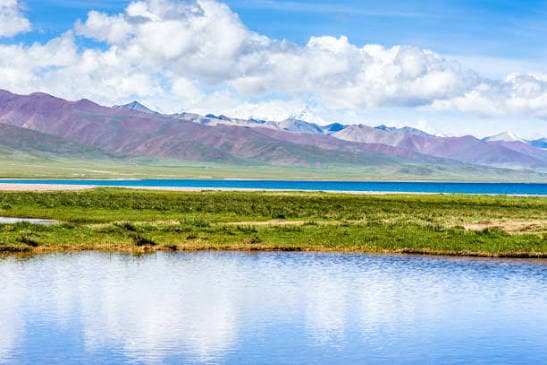
Here, the landscape begins to shift—from the stark high plateau of central Tibet to greener valleys influenced by neighboring regions. The altitude remains high, but the terrain feels more varied, more textured, and more alive.
Chamdo is not polished for tourism. And that’s exactly its appeal.
Why Chamdo Feels Different
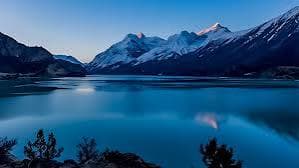
Chamdo isn’t about iconic landmarks—it’s about movement and convergence.
Rivers carving through deep valleys
Trade routes that historically connected Tibet with China and Southeast Asia
Monasteries that feel less crowded, more intimate
It’s a place where Tibet feels less like a destination and more like a living, evolving landscape.
The Confluence of Rivers – Where Life Flows
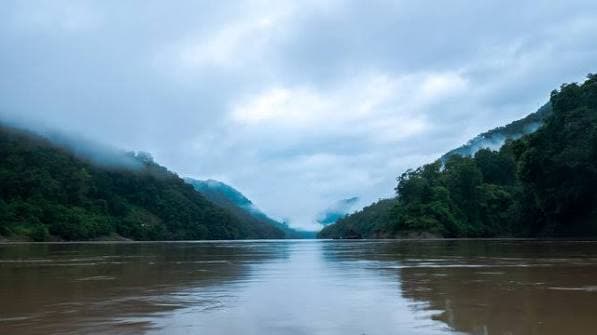
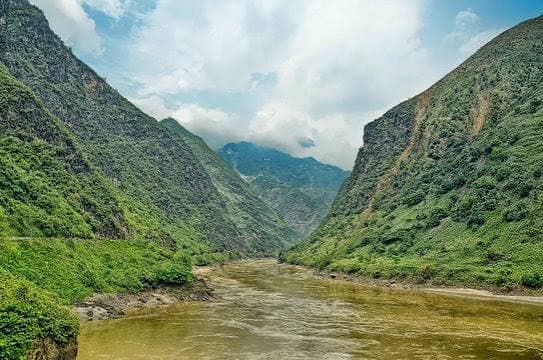
One of Chamdo’s defining features is the meeting of the Mekong River (known locally as Lancang) and the Salween River (Nu River).
These rivers don’t just shape the geography—they shape life itself:
Fertile valleys emerge along their banks
Settlements grow where water allows
Landscapes transform from rugged to unexpectedly green
Standing at a viewpoint, watching these rivers cut through mountains, gives a sense of scale that’s hard to describe.
Jampaling Monastery – The Spiritual Anchor
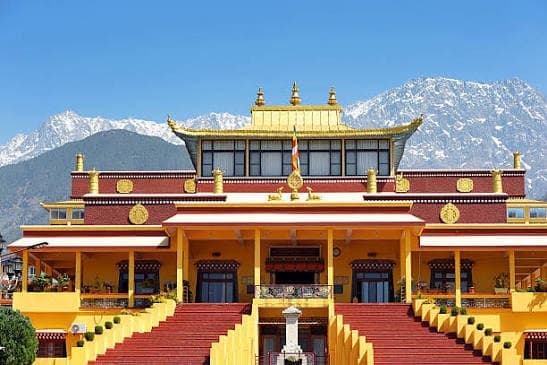
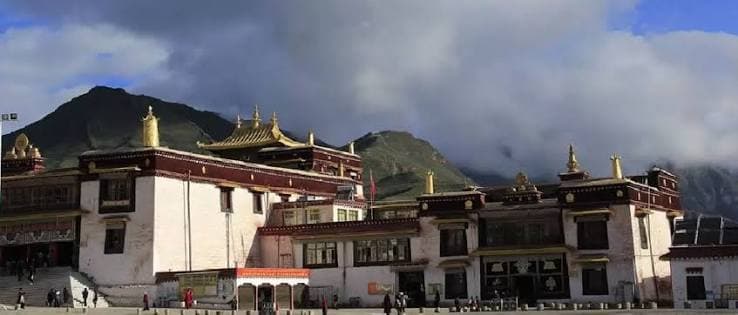
At the heart of Chamdo lies the historic Jampaling Monastery, founded in the 15th century.
This monastery is not just a religious site—it’s a cultural center where Tibetan Buddhist traditions continue to thrive.
Visitors can experience:
Prayer halls filled with murals and statues
Monks engaged in daily rituals
A quieter, more personal atmosphere compared to larger monasteries
It’s a place where spirituality feels close, not distant.
A Landscape of Contrasts
Chamdo’s terrain is full of surprises:
Deep gorges carved by rivers
Rolling valleys with patches of greenery
Rugged mountains that rise suddenly from softer landscapes
This constant shift makes travel here feel dynamic—every turn reveals something new.
Culture: Where Traditions Meet the Road
Chamdo’s culture reflects its position as a crossroads.
Influences from Tibetan, Han Chinese, and neighboring ethnic groups
Markets that feel lively yet grounded
Traditions that adapt while still holding onto their roots
It’s a region where culture isn’t static—it evolves while staying connected to its past.
Experiences That Define Chamdo
Chamdo offers journeys, not checklists:
River valley drives along the Mekong River and Salween River
Monastery visits to Jampaling Monastery
Exploration of remote valleys where landscapes shift dramatically
Local market walks to experience everyday life
These are experiences that unfold slowly, revealing Chamdo layer by layer.
Best Time to Visit
May to October: Pleasant weather and accessible roads
Spring & Early Summer: Greener landscapes and flowing rivers
Winter (Nov–April): Cold and less accessible
Important Travel Considerations
High altitude requires acclimatization
Travel permits are necessary for Tibet
Infrastructure is limited compared to major cities
Weather and road conditions can change quickly
Chamdo is not a casual trip—it’s a considered journey.
Why Chamdo Is a Journey Into the Unseen
Chamdo doesn’t try to define Tibet—it expands your understanding of it.
It shows you a version that is less known, less polished, but deeply real. A place where rivers shape land, traditions shape life, and every journey feels like discovery.
If you’re looking to go beyond the familiar and into something more raw and meaningful, Chamdo quietly waits—unnoticed, untouched, and unforgettable.
Share this article:
About Admin
Travel enthusiast and writer sharing stories from around the world. Passionate about discovering hidden gems and cultural experiences that inspire wanderlust.