Travel
BASUM TSO: WHERE EMERALD WATERS MEET SACRED MOUNTAINS
Admin
Author
October 31, 2026
3 min read
1 views
A Lake Held Between Mountains
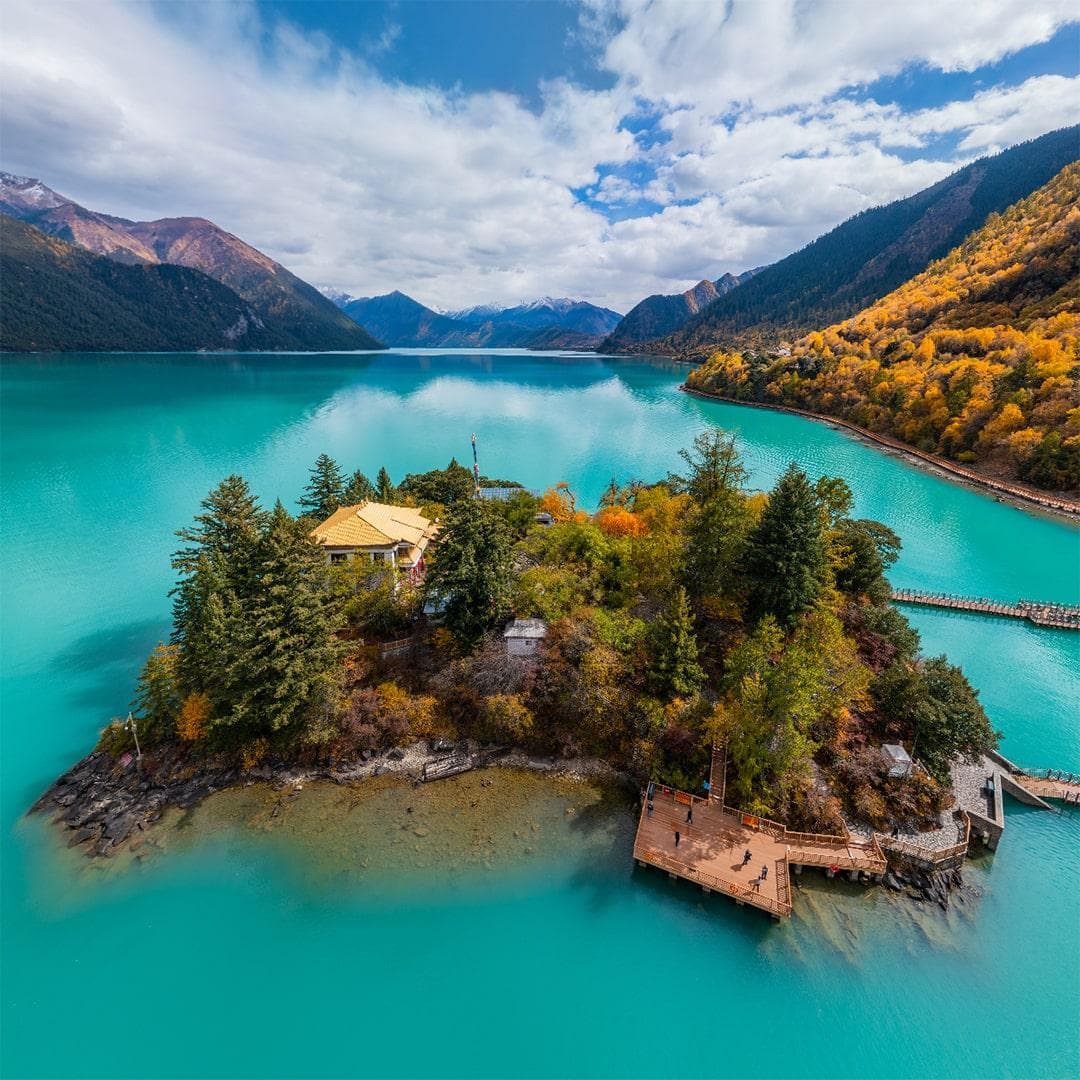
Located in Gongbo'gyamda County in the Nyingchi region of eastern Tibet, Basum Tso is a freshwater alpine lake surrounded by dense forests, mountain slopes and distant snow-covered peaks. Its name is commonly translated as “green water”, reflecting the distinctive colour of its waters.
Situated at approximately 3,500 metres above sea level, the lake offers a landscape that contrasts with the dry, open expanses often associated with the Tibetan Plateau. Here, evergreen forests descend towards the water, while the surrounding mountains create a dramatic natural boundary.
Basum Tso is also known by names such as Draksum Tso and Basong Tso. Its importance extends beyond its geography, as the lake is considered sacred within the Nyingma tradition of Tibetan Buddhism. At its centre, Tashi Island and the historic Tsodzong Monastery connect the natural landscape with centuries of religious practice.
THE COLOURS OF THE HIGHLANDS
Where forests are reflected in still waters
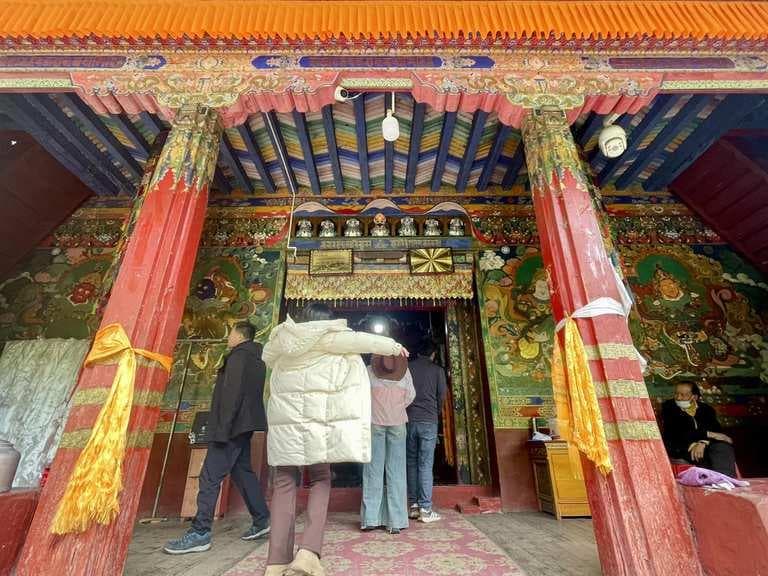
The landscape surrounding Basum Tso is defined by the meeting of water, forest and mountain. Its green-blue surface reflects the surrounding vegetation and changing light, creating a striking contrast with the darker forests and snow-covered peaks.
Unlike the barren appearance of some high-altitude regions, the area around the lake supports extensive vegetation. Pine and other mountain forests cover the slopes, while seasonal flowers and smaller plants add colour to the landscape during warmer months.
The lake itself is part of a larger alpine environment shaped by glaciers, mountain streams and seasonal changes. Its surroundings provide habitats for different forms of wildlife, while the forests contribute to the ecological richness of the Nyingchi region.
As the seasons change, so does the character of the landscape. Spring and summer bring fresh vegetation, while autumn transforms the surrounding forests with warmer colours. These seasonal variations make Basum Tso an important example of the diverse natural environments found in eastern Tibet.
AN ISLAND OF FAITH
Where sacred traditions rest upon the water
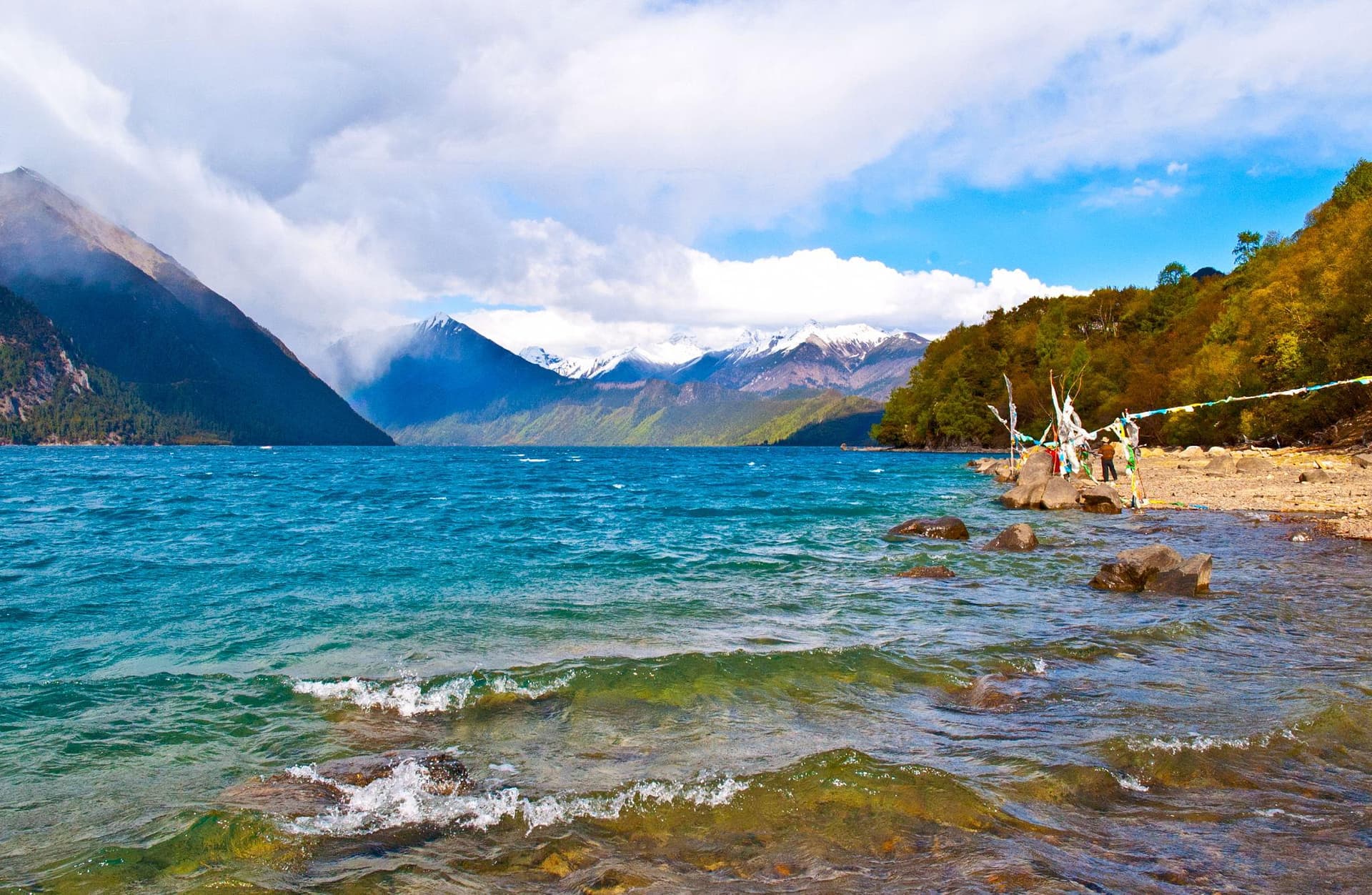
At the heart of Basum Tso lies Tashi Island, a small landform surrounded by the lake's clear waters. It is home to Tsodzong Monastery, a historic Buddhist monastery associated with the Nyingma school, one of the oldest traditions of Tibetan Buddhism.
The monastery gives the island a distinctive spiritual identity. Its presence reflects the long-standing relationship between the lake and local Buddhist communities, for whom Basum Tso is regarded as a sacred place.
Pilgrims visit the lake to offer prayers and participate in religious practices connected with its sacred status. Traditional circumambulation, in which devotees walk around a sacred site as an act of devotion, is also associated with the lake.
The island's quiet setting, traditional architecture and religious significance make it more than a scenic attraction. It represents a living spiritual landscape where faith and nature remain closely connected.
THE CULTURAL LANDSCAPE OF KONGPO
Where local identity lives beyond the shoreline
Basum Tso lies within the wider Kongpo region, an area of eastern Tibet known for its distinctive cultural traditions and mountain settlements. The communities here have developed ways of life shaped by the surrounding forests, rivers, agricultural land and high-altitude environment.
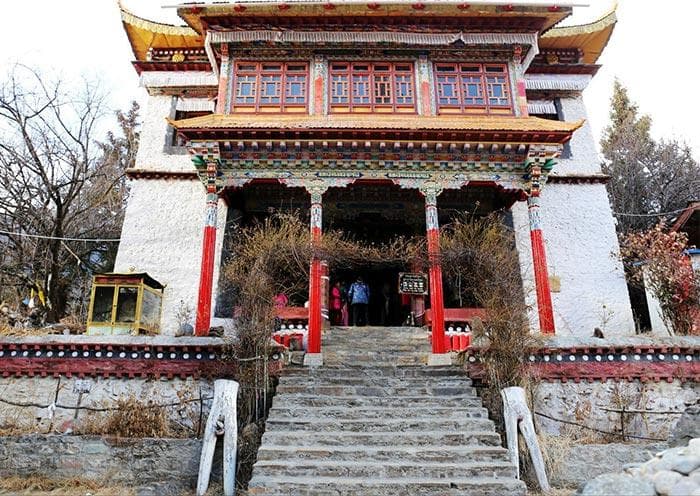
Traditional Tibetan architecture, local customs and religious practices form an important part of the region's cultural identity. Villages around the lake offer glimpses of everyday life, where community traditions continue alongside changing modern influences.
The relationship between people and the landscape is particularly visible in the region's use of natural resources and seasonal rhythms. Forests, water and surrounding mountain terrain have long influenced local livelihoods and cultural practices.
As Basum Tso becomes increasingly recognised as a tourism destination, preserving this relationship is important. Respecting religious spaces, supporting local communities and avoiding disturbance to the surrounding ecosystem can help ensure that the lake's cultural and natural character remains protected.
A Landscape Beyond Its Reflection
Basum Tso is more than an alpine lake framed by mountains. It is a place where the natural world and spiritual traditions exist in close connection. Its forested slopes, changing waters and island monastery reveal a side of Tibet that is both serene and culturally significant.
The lake's importance lies not only in its striking appearance, but also in the beliefs and communities that give it meaning. It reminds us that some landscapes are valued not simply for what they offer to visitors, but for the stories, traditions and spiritual connections they have carried through generations.
To experience Basum Tso meaningfully is to look beyond its beautiful reflections and recognise the delicate balance between nature, culture and faith that makes this place distinctive.
Share this article:
About Admin
Travel enthusiast and writer sharing stories from around the world. Passionate about discovering hidden gems and cultural experiences that inspire wanderlust.