Travel
BASGO: WHERE ROYALTY MEETS THE SACRED
Admin
Author
October 31, 2026
3 min read
1 views
A Kingdom Carved into the Mountains
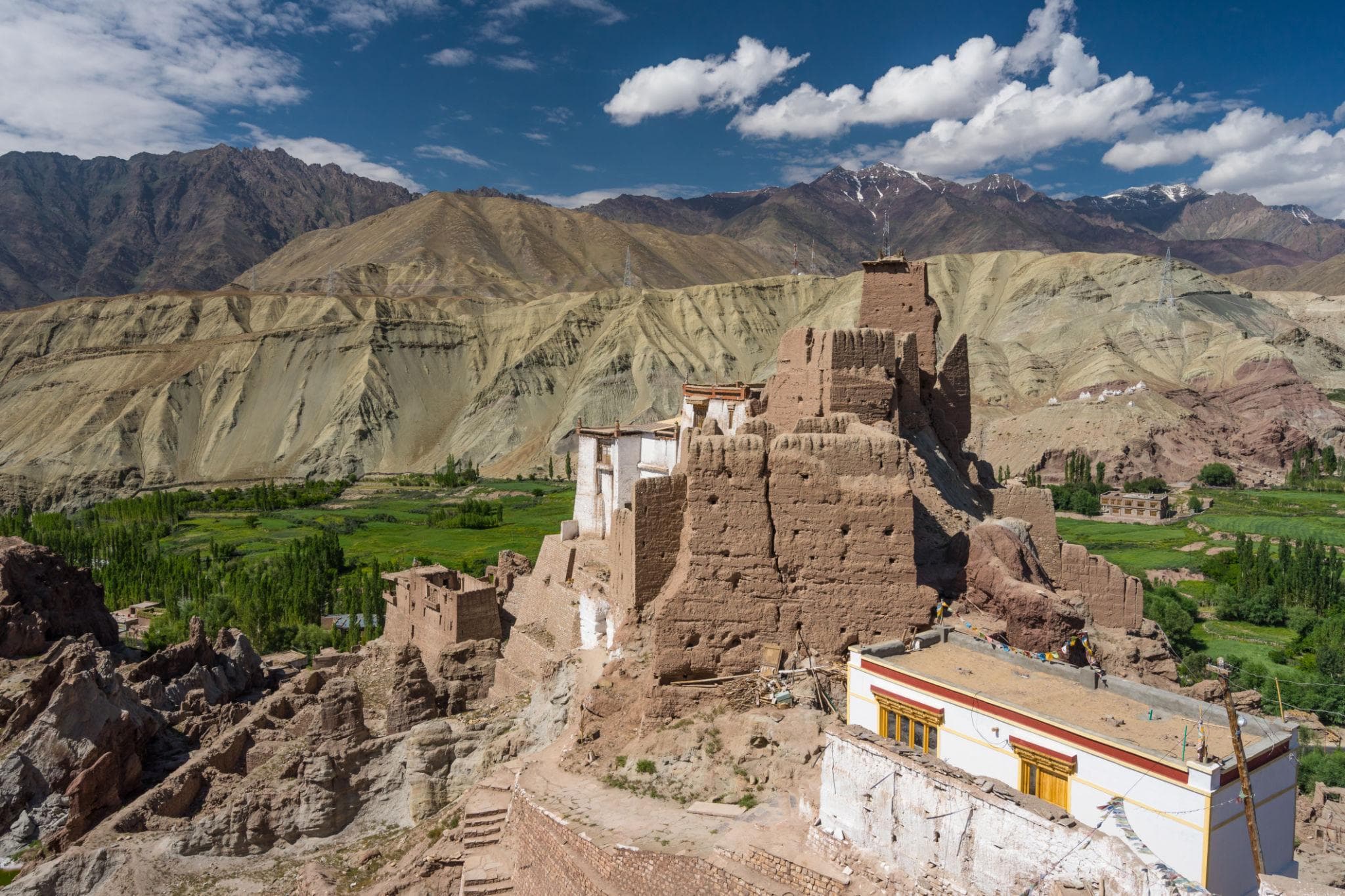
Located approximately 35 kilometres west of Leh, Basgo is a historic village in the Indus Valley of Ladakh. Surrounded by rugged mountains and dramatic rocky formations, it occupies a landscape where ancient architecture appears almost inseparable from the surrounding terrain.
Basgo gained political importance during the fifteenth and sixteenth centuries when it became an important royal centre of the Namgyal dynasty. Its strategic location along historic routes connecting Ladakh with Kashmir and neighbouring Central Asian regions made it an important settlement for trade, administration and defence.
The village is particularly recognised for the remains of its ancient fortress, royal palace and three Buddhist temples dedicated to Maitreya, the Future Buddha. These structures preserve remarkable examples of traditional Ladakhi craftsmanship, including intricate wall paintings, sculptures and mud-brick architecture.
Today, Basgo stands as an important reminder of Ladakh's royal and spiritual past, offering a glimpse into a period when political power and religious traditions shaped the region's cultural landscape.
The Fortress That Guarded a Kingdom
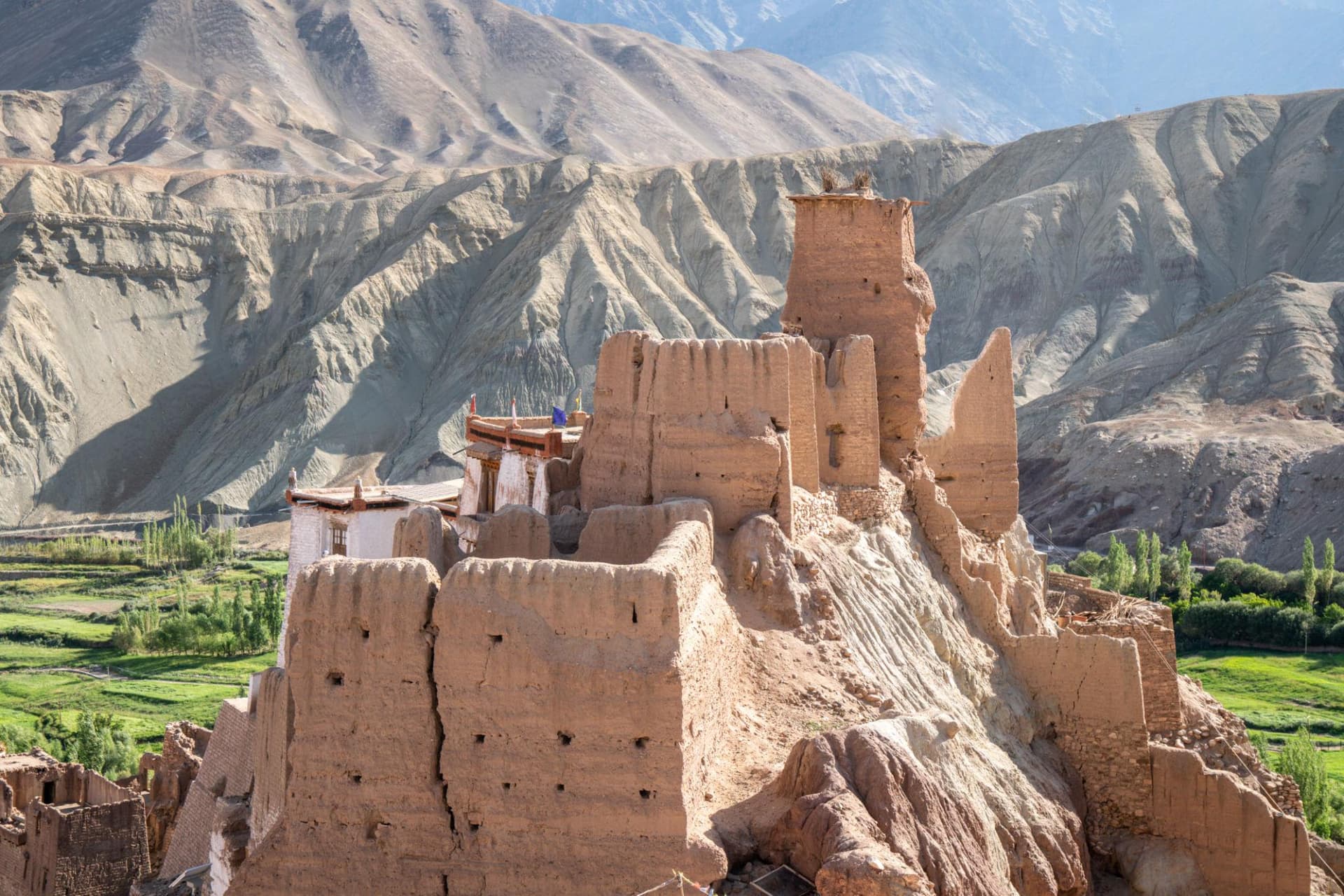
The most striking feature of Basgo is its historic fortress, which rises above the village from a rugged rocky outcrop.
Once an important defensive stronghold of the Namgyal dynasty, the fort was designed to take advantage of the surrounding natural terrain. Its elevated position provided strategic visibility over the valley and helped protect the settlement from invading forces.
The complex includes remains of fortified walls, watchtowers, royal residences and other structures associated with the former kingdom. Built largely using mud bricks and traditional construction techniques, these buildings blend remarkably with the reddish-brown landscape.
Basgo also witnessed significant historical conflicts. One of the most notable events was a prolonged siege by Tibetan forces during the seventeenth century, which the stronghold successfully endured.
The fortress later lost its political importance as the royal centre shifted towards Leh. Over time, parts of the palace and defensive structures fell into ruins, leaving behind fragments of a once-powerful settlement.
Today, these remains provide valuable insight into the military architecture and political history of medieval Ladakh.
Where Buddhist Art Comes Alive
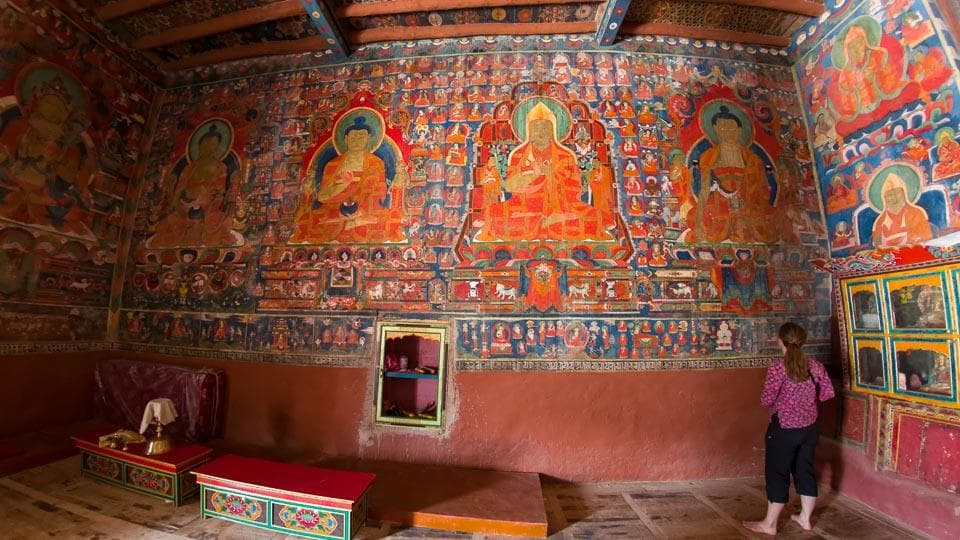
Beyond its royal history, Basgo is particularly important for its remarkable Buddhist temples and artistic heritage.
The historic complex contains three principal temples: Chamba Lakhang, Serzang Lakhang and Chamchung Lakhang. Together, they represent an important chapter in the development of Buddhist religious architecture and artistic traditions in Ladakh.
The Chamba Lakhang is dedicated to Maitreya Buddha, who is regarded in Buddhist tradition as the Buddha of the future. Its impressive image and surviving wall paintings make it one of the most significant religious structures in the complex.
Serzang Lakhang is especially known for its large Maitreya Buddha statue, traditionally associated with King Jamyang Namgyal and King Senge Namgyal. The temple also preserves important religious artwork and manuscripts.
The murals inside these temples feature intricate religious imagery, decorative patterns and depictions of Buddhist figures. Their artistic details reflect the influence of Tibetan Buddhist traditions and the craftsmanship of earlier Ladakhi artists.
These temples are more than architectural monuments. They continue to hold spiritual significance and represent the relationship between royal patronage, religious devotion and artistic expression.
A Heritage Worth Preserving
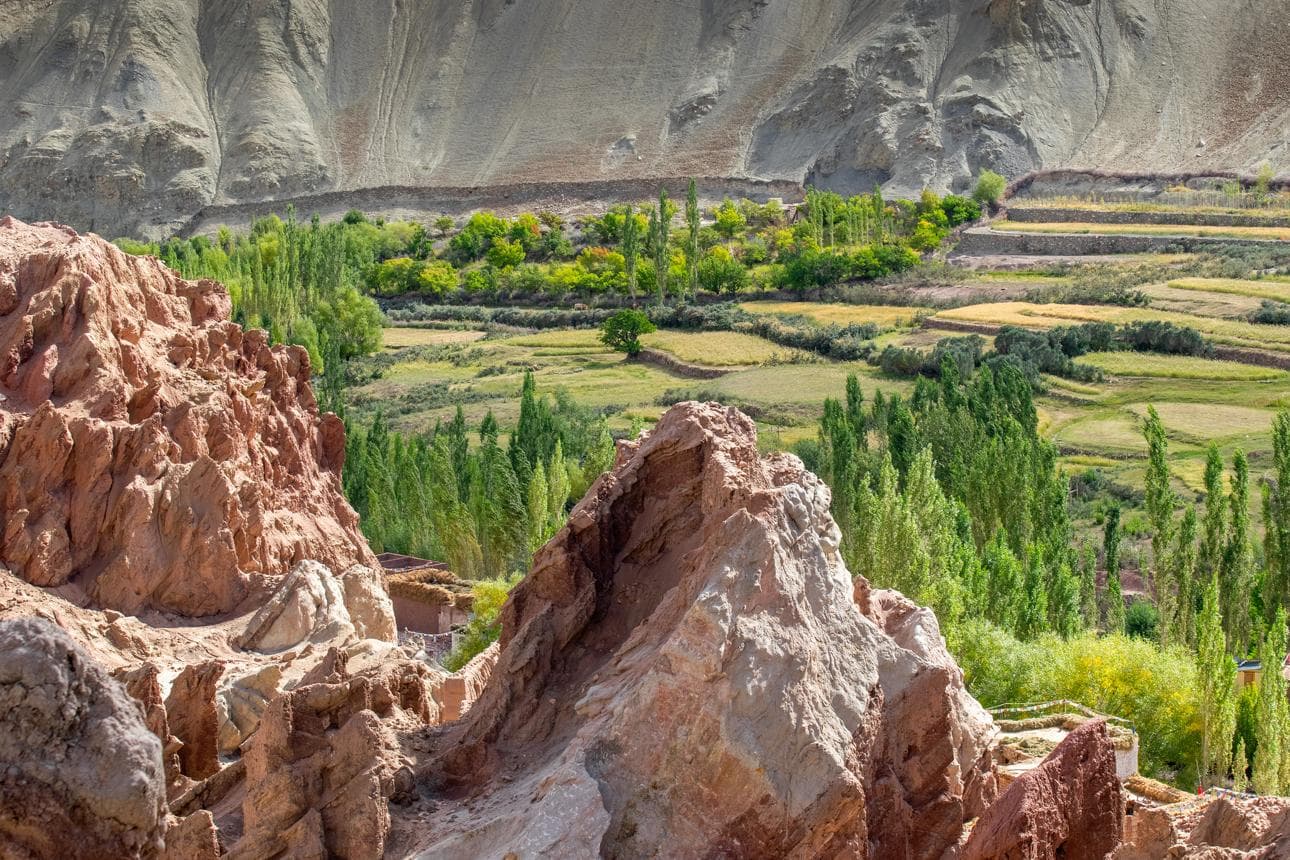
Basgo's importance extends beyond its royal ruins and Buddhist temples. It represents a living connection between Ladakh's historical identity and the community that continues to protect it.
The village is home to families whose lives remain connected to traditional Ladakhi practices, agriculture and local cultural traditions. Its historic structures also reflect the craftsmanship and construction knowledge passed down through generations.
One particularly inspiring aspect of Basgo's heritage is the role played by its local community in conservation. As the ancient structures and murals began to deteriorate, villagers took an active interest in protecting their cultural inheritance.
The Basgo Welfare Committee and local community initiatives have contributed to the restoration and maintenance of important temples and historical structures. Conservation efforts have also involved specialists working to protect fragile wall paintings and traditional building materials.
However, preserving a heritage site like Basgo requires continuous attention. Weathering, structural damage and the delicate nature of historic murals make conservation a long-term responsibility.
Visitors can contribute by respecting religious spaces, avoiding contact with ancient paintings, following local guidelines and supporting community-led preservation efforts.
Basgo reminds us that cultural heritage survives not only because of its historical importance, but also because people continue to care for it.
When History Refuses to Fade
Basgo is a place where the legacy of an ancient kingdom continues to live through its fortress walls, Buddhist temples and remarkable works of art.
From the defensive structures of the Namgyal dynasty to the magnificent images of Maitreya Buddha, every part of the village reveals a different chapter of Ladakh's history.
Yet, its greatest significance lies not only in what has survived from the past, but also in the efforts being made to preserve it for the future. The involvement of local communities demonstrates how cultural heritage can remain meaningful when it is protected through collective responsibility.
As interest in Ladakh's lesser-known historical settlements grows, mindful travel becomes essential to safeguarding their identity.
Perhaps the true beauty of Basgo lies in the way it brings together two enduring forces: the legacy of human civilisation and the timeless presence of faith.
Here, the mountains may have outlasted kingdoms, but the stories of those kingdoms continue to stand within them.
Share this article:
About Admin
Travel enthusiast and writer sharing stories from around the world. Passionate about discovering hidden gems and cultural experiences that inspire wanderlust.