Travel
BALPAKRAM: WHERE THE WIND CARRIES ANCIENT STORIES
Admin
Author
October 31, 2026
3 min read
1 views
Into the Land of Perpetual Winds
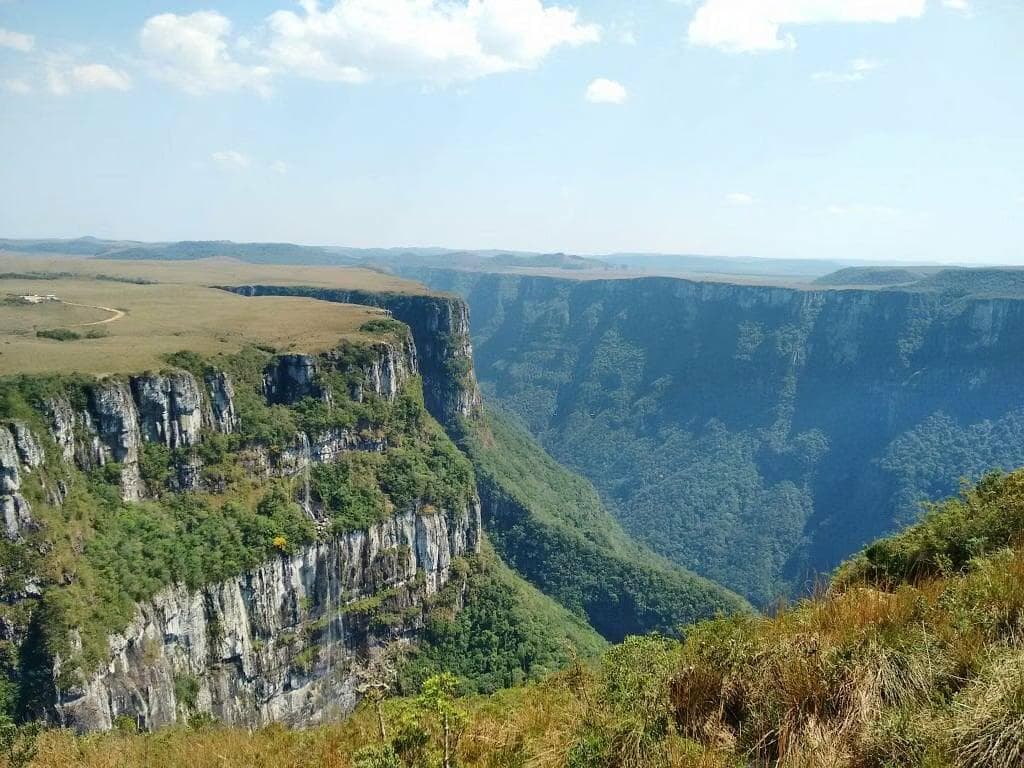
In the southern reaches of Meghalaya's Garo Hills lies Balpakram National Park, a wilderness known for its rugged terrain, striking geological formations and deep cultural significance. Located in South Garo Hills, the park lies near Baghmara and forms part of a landscape shaped by forests, rivers, plateaus and steep escarpments.
The name Balpakram is commonly understood as the “Land of Perpetual Winds”, a fitting description of its exposed rocky plateaus and windswept cliffs. Its landscape includes deep gorges, limestone formations and forest-covered slopes that create a dramatic contrast with the surrounding green hills.
Yet Balpakram is not defined by its geography alone. For the Garo people, the region holds profound spiritual meaning and is woven into local stories and beliefs about life, death and the journey of the soul. It is this meeting of natural wonder and cultural memory that gives Balpakram its distinctive identity.
THE LANDSCAPE OF WIND AND STONE
Where the earth opens into extraordinary forms
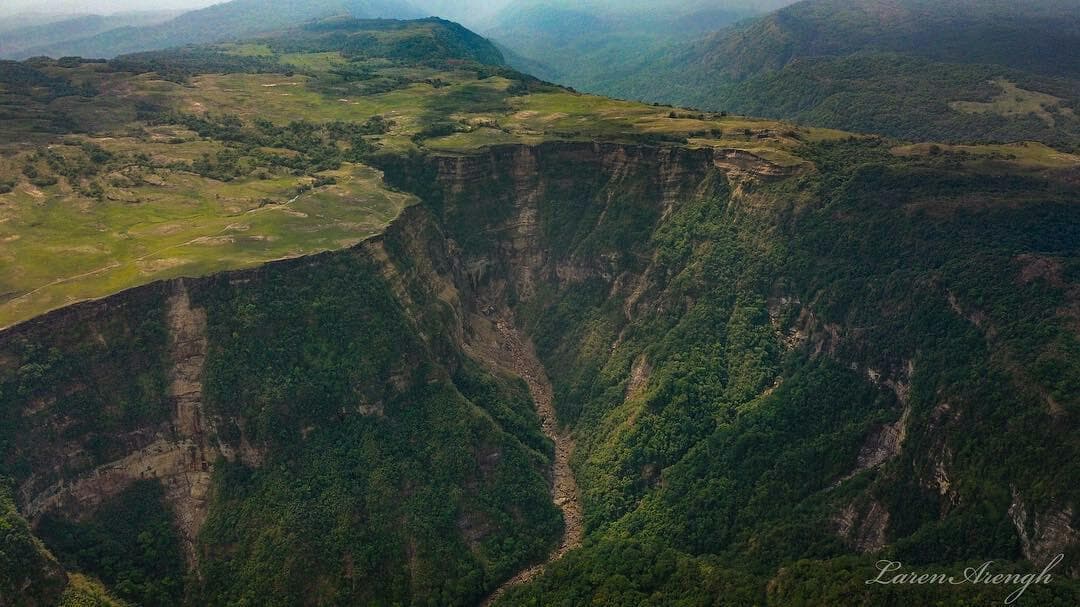
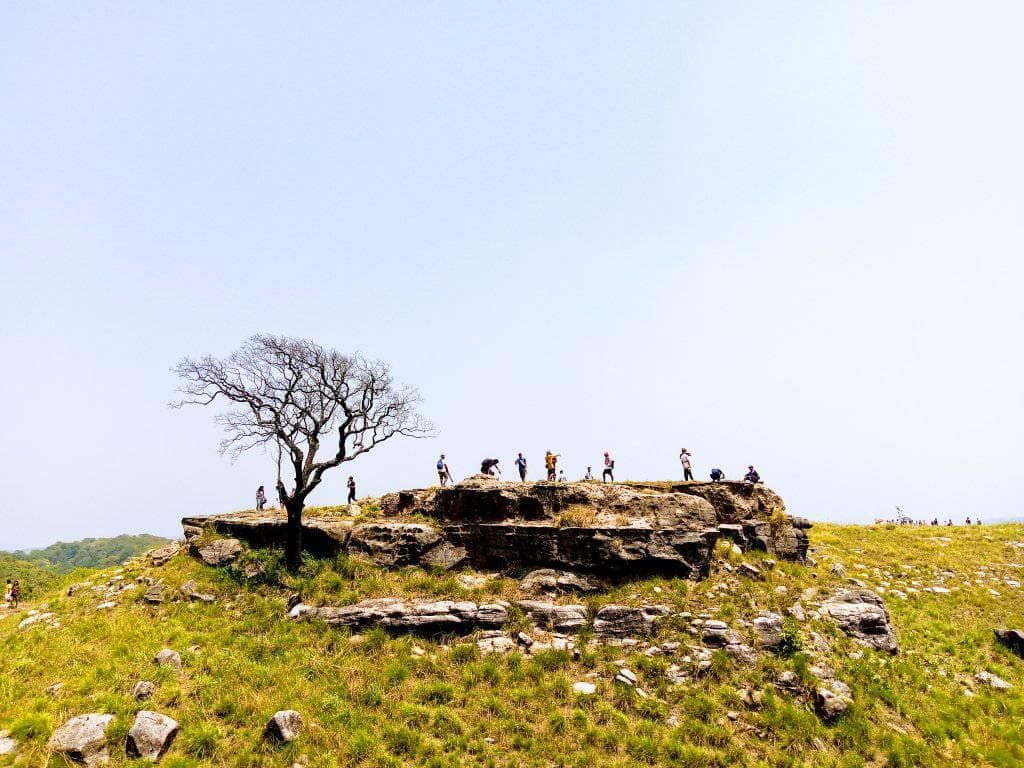
Balpakram's landscape is shaped by elevated plateaus, steep cliffs and deep valleys that give the national park its distinctive character. Its rocky surfaces and dramatic escarpments overlook forested stretches and the plains beyond, creating expansive views across the surrounding region.
One of its remarkable features is the network of deep gorges and canyon-like formations. The Mahadeo Gorge is among the best-known geological features, while the park's rugged terrain reflects centuries of natural weathering and erosion.
The Simsang River and its surrounding valleys contribute to the region's wider ecological landscape. Seasonal streams and waterfalls add to the diversity of the terrain, while the changing light and movement of clouds create an atmosphere that feels different throughout the year.
Balpakram is a reminder of how geological processes shape the landscapes we experience today. Its cliffs, valleys and exposed rock formations are not simply scenic features; they are part of a larger natural history that continues to define the Garo Hills.
WHERE FOLKLORE MEETS THE AFTERLIFE
A sacred landscape held in Garo memory
Balpakram occupies a special place in the traditional beliefs of the Garo people. According to local folklore, it is regarded as the resting place of departed souls, a sacred landscape associated with the journey after death.
This belief gives the park a meaning that goes beyond its physical appearance. Its unusual rock formations, deep ravines and mysterious natural features have long been connected with stories passed down through generations. The landscape becomes part of a cultural narrative in which nature and the spiritual world are closely intertwined.
Local legends also speak of figures such as Dikki and Bandi and the deity Goera, associated with stories of conflict and supernatural forces. These narratives form part of the rich oral traditions connected with Balpakram and reflect the importance of storytelling in preserving cultural memory.
For visitors, understanding these beliefs is an essential part of appreciating the region. Balpakram is not merely a destination to photograph or explore; it is a landscape with cultural and spiritual significance for the communities connected to it. Respect for local customs and beliefs should remain central to any experience of the area.
A REFUGE OF RARE LIFE
Where forests shelter an intricate ecosystem
Beyond its folklore, Balpakram is an important ecological landscape within Meghalaya's Garo Hills. Its forests, grasslands, rocky habitats and streams support a range of plant and animal life, making the national park significant for biodiversity conservation.
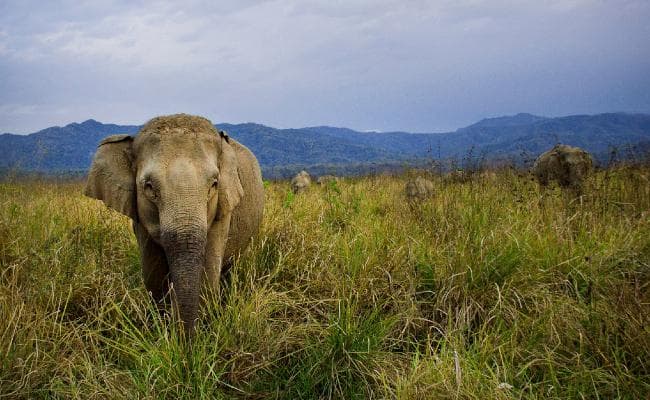
The region is known for wildlife that includes Asian elephants, wild water buffalo, deer and several species of birds. Its forest habitats also provide shelter to elusive carnivores and other wildlife, although sightings are never guaranteed. The park's varied terrain creates different ecological conditions, allowing a range of species to inhabit the landscape.
Its botanical diversity is equally notable. Pitcher plants, medicinal herbs, orchids, ferns and other native vegetation contribute to the ecological richness of the region. The presence of insectivorous plants is particularly fascinating, revealing how species adapt to the conditions of their natural habitats.
Protecting Balpakram means safeguarding more than its visible wildlife. Forest ecosystems, water sources and the relationships between different species are all part of its natural balance. Responsible exploration, respect for wildlife and support for conservation efforts are essential to keeping this wilderness alive.
A Wilderness Beyond the Ordinary
Balpakram is a place where the natural world and cultural imagination exist side by side. Its windswept plateaus, deep gorges and forest habitats reveal the remarkable diversity of the Garo Hills, while its legends offer a glimpse into the beliefs and traditions that give the landscape its deeper meaning.
What makes Balpakram truly distinctive is not simply its dramatic scenery or rare wildlife, but the connection between the land and the people who hold it sacred. It reminds us that some landscapes are understood not only through what we see, but also through the stories and values attached to them.
To experience Balpakram meaningfully is to approach it with curiosity and humility, recognising that its wilderness deserves protection and its cultural heritage deserves respect.
Share this article:
About Admin
Travel enthusiast and writer sharing stories from around the world. Passionate about discovering hidden gems and cultural experiences that inspire wanderlust.