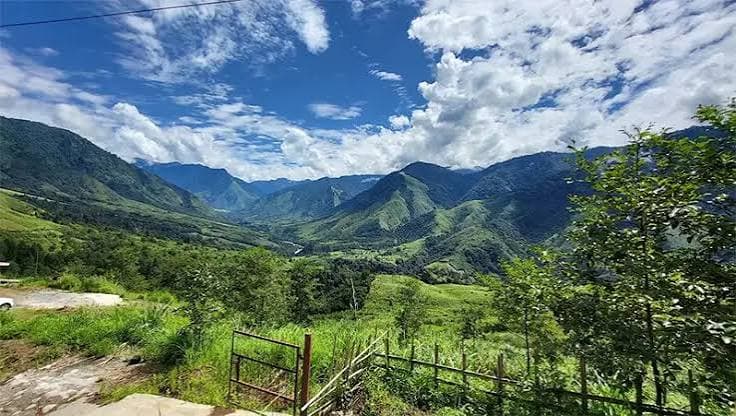
Travel
Anini – A Hidden World in Arunachal
Admin
Author
April 22, 2026
5 min read
194 views
At the Edge of the Map
Located in the far northeastern corner of Arunachal Pradesh, Anini feels like one of India’s last frontiers.
Surrounded by towering mountains and dense forests, Anini sits quietly along the banks of the Dibang River. The journey to reach it is long and demanding—but that’s precisely what has preserved its raw, untouched character.
Here, geography doesn’t just define the landscape—it defines life itself.
Historical Roots: A Land Shaped by Isolation
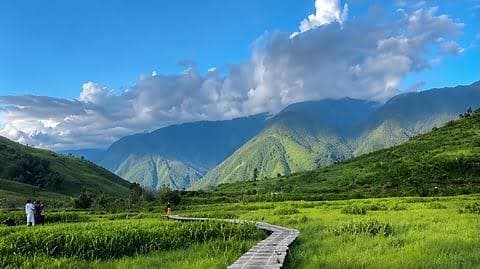
Anini’s history is closely tied to the indigenous Idu Mishmi tribe, one of the oldest communities of Arunachal Pradesh.
For centuries, this region remained isolated due to its rugged terrain and lack of connectivity. Unlike many parts of India influenced by external rulers, Anini developed largely on its own terms:
The Idu Mishmi people maintained distinct cultural practices and spiritual beliefs
Oral traditions, folklore, and rituals became the primary carriers of history
The region saw minimal external interference, preserving its authenticity
Even today, Anini feels like a place where history hasn’t been replaced—it has simply continued.
Where Rivers Carve Through the Himalayas
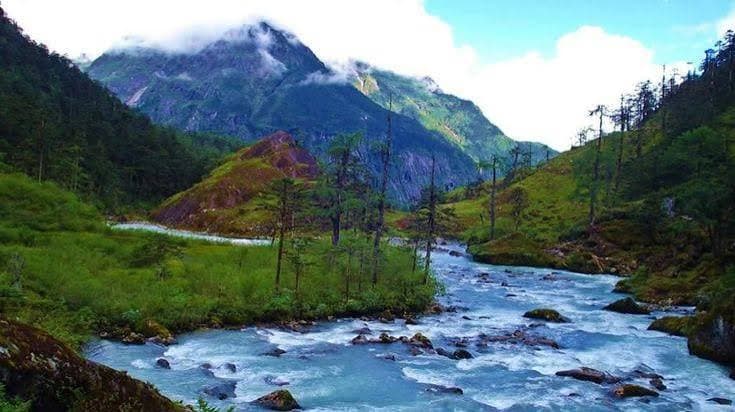
Anini’s geography is dramatic, remote, and deeply influential.
Situated in the Dibang Valley, one of the least populated regions in India, the area is characterized by:
Steep terrain and deep valleys
Dense subtropical and alpine forests
High-altitude landscapes transitioning into river plains
The powerful Dibang River flows through this terrain, shaping both the land and the livelihoods of the people.
This region also lies close to the Indo-China border, adding to its strategic and geographical significance.
Climate & Natural Environment
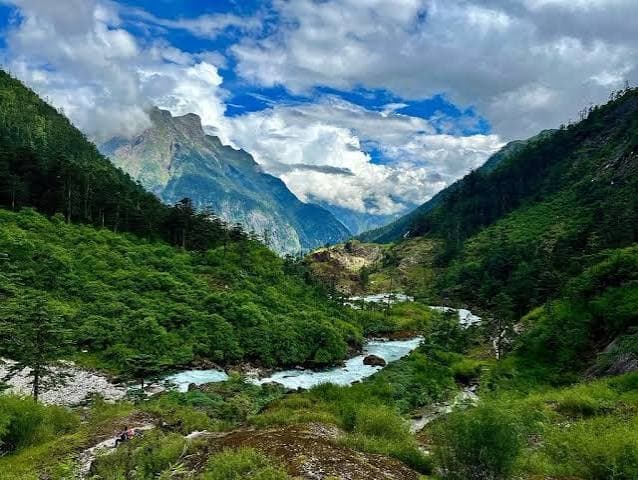
Anini experiences a wide range of climatic conditions:
Summer (April–June): Cool and pleasant
Monsoon (July–September): Heavy rainfall, making travel challenging
Winter (October–March): Cold, with occasional snowfall in higher areas
The changing climate supports rich biodiversity, making the region part of one of the most ecologically sensitive zones in the Himalayas.
Culture: Life Rooted in Nature
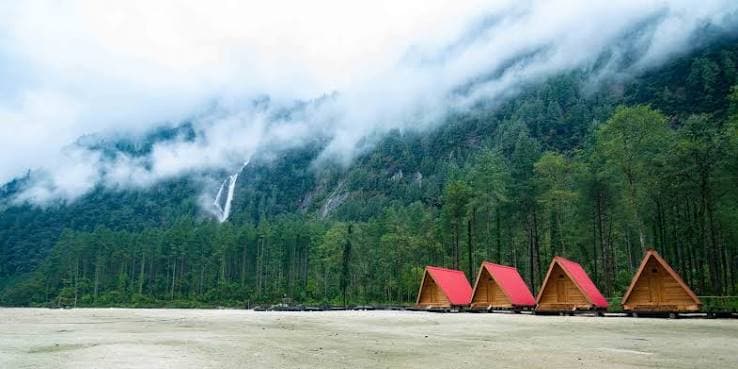
The Idu Mishmi community reflects a deep connection with the environment.
Animistic beliefs and rituals tied to forests and rivers
Traditional attire and ornaments unique to the tribe
A lifestyle based on balance with nature rather than control over it
Festivals, songs, and daily practices all carry elements of this deep-rooted connection.
Experiences That Define Anini
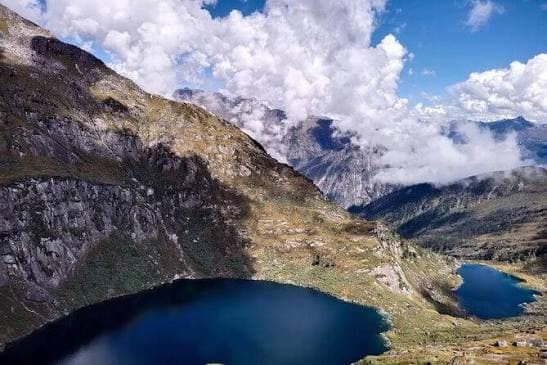
Anini is not about tourist attractions—it’s about immersion:
Riverside stillness along the Dibang River
Exploring nearby valleys and forest trails
Village interactions to understand Idu Mishmi culture
Long scenic drives through raw Himalayan terrain
Every experience here feels personal and unfiltered.
Why Anini Is One of India’s Last True Offbeat Destinations
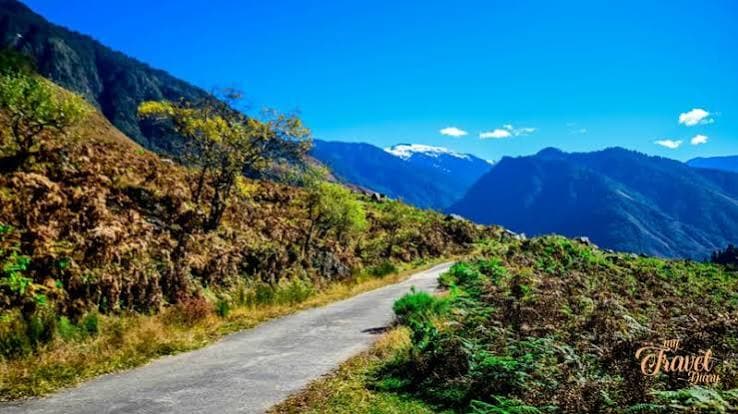
Anini remains untouched not because it is undiscovered—but because it is difficult to reach.
Limited infrastructure
Long travel routes
Minimal commercialization
This has preserved its authenticity, making it one of the few places where you can still experience nature and culture in their purest forms.
Best Time to Visit
October to April: Clear skies and better accessibility
Summer: Pleasant weather for exploration
Avoid peak monsoon due to landslides and road conditions
Ideal For
Offbeat and extreme travelers
Cultural explorers
Nature and landscape photographers
Travelers seeking raw, untouched destinations
Why Anini Is Not Just a Destination, But a Discovery.
Anini doesn’t offer convenience—it offers authenticity.
It challenges you to travel differently, to go beyond comfort and into something real. In its history, geography, and silence, you find a place that hasn’t been shaped for tourism—but exists on its own terms.
And perhaps that’s what makes Anini unforgettable—it doesn’t try to be seen. It simply is.
Share this article:
About Admin
Travel enthusiast and writer sharing stories from around the world. Passionate about discovering hidden gems and cultural experiences that inspire wanderlust.